Why funeral flowers are usually white
5 min read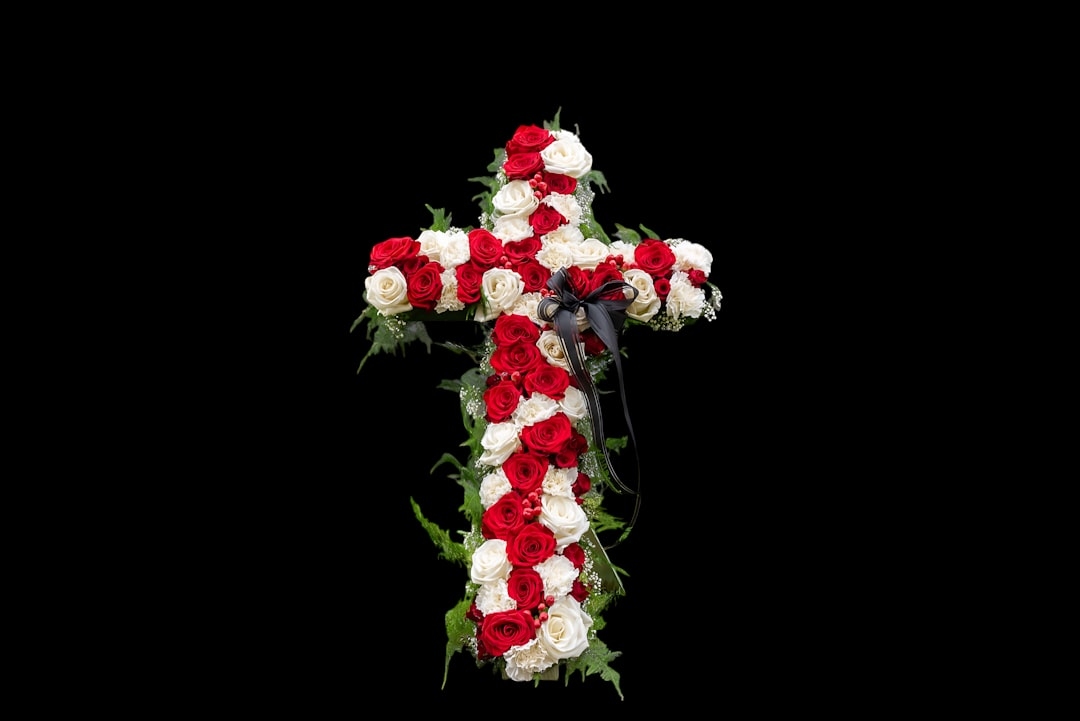
Contents:
- The Quick Answer: Why Are Funeral Flowers White?
- The Symbolism of White in Mourning
- Purity, Peace, and the Afterlife
- Global Contrasts: The Meaning of White Elsewhere
- Tradition Meets Trends: How White Flowers Became the Funeral Standard
- Victorian Influence
- 20th & 21st Century: Consistency Through Change
- Popular White Flowers for Funerals (And What They Mean)
- Which White Flowers Are Most Popular in 2026?
- The Emotional Power of White Bouquets
- How Color Affects Grieving
- Honoring Without Words
- Alternatives: When Are Other Colors Appropriate?
- Funeral Flowers FAQ
- Why do people send white flowers for funerals?
- Can other colors be used for funeral flowers?
- What types of white flowers are most popular for funerals?
- Are white flowers used at funerals in other cultures?
- How much does a typical white funeral arrangement cost in the US (2026)?
- Next Steps: Personalizing Funeral Flowers With Meaning
Why Funeral Flowers Are Usually White
A single white lily stands sentinel at a memorial in St. Paul’s, Missouri, framed by sprays of ivory roses and pale chrysanthemums. If you visit any American funeral home or scroll through FTD’s sympathy arrangements in 2026, you’ll see that same soft palette everywhere. White dominates funeral floristry, from classic standing sprays to hand-tied bouquets. But why are funeral flowers usually white? The answer is rooted in centuries of tradition, intertwined with emotion, and colored by science and culture.
The Quick Answer: Why Are Funeral Flowers White?
White is the most common color for funeral flowers because it symbolizes purity, peace, and remembrance in Western cultures. Florists choose white blooms for memorials to convey sympathy, evoke calm, and express respect for the deceased. This tradition dates to Victorian times and persists in the United States due to cultural beliefs and the subtle beauty white flowers add to somber moments.
The Symbolism of White in Mourning
Purity, Peace, and the Afterlife
White isn’t just a neutral. It’s a color loaded with meaning. In American and European funeral customs, white is linked to:
- Purity: White lilies, for example, have symbolized the restored innocence of the soul since the 1800s.
- Peace: White roses and chrysanthemums are seen as calming, representing eternal rest.
- Spirituality: Christian funerals in the US often use white flowers to signify the hope of resurrection.
Andrew Hughes, AIFD-certified floral designer based in Chicago, shares:
“White flowers create a soft buffer at a funeral. They aren’t loud or distracting, allowing folks to grieve in peace.”
Global Contrasts: The Meaning of White Elsewhere
While white is standard for American funerals, colors carry different weight around the world:
| Culture | Color of Mourning | Meaning |
|---|---|---|
| United States | White | Purity, remembrance |
| China/Japan | White | Mourning, death |
| India | White (widows) | Spiritual purity |
| Middle East | Black | Grief, loss |
| South Africa | Red | Mourning (Zulu culture) |
So while the US isn’t unique in using white, the reasons–and the way it’s used in bouquets–can differ.
Tradition Meets Trends: How White Flowers Became the Funeral Standard
Victorian Influence
The language of flowers, or floriography, exploded in popularity in the 19th century. Victorians established social codes for blossoms–white signaled innocence and reverence. This practice filtered into American funeral customs, especially as white calla lilies, roses, and carnations grew abundant in greenhouses.
20th & 21st Century: Consistency Through Change
While funeral traditions have modernized, the color palette remains conservative. According to 2024 data from the Society of American Florists, over 68% of funeral arrangements sold nationwide include primarily white blooms–despite hundreds of vibrant varieties now available for delivery.
Florists like Teleflora and 1-800-Flowers report that white sympathy wreaths outsell mixed-color options by nearly 2:1 each funeral season.
<blockquote>
“Families say white feels ‘appropriate’–it’s gentle, hopeful, and doesn’t overwhelm,” notes Olivia Tran, owner of BrightMemory Florals, Austin, TX.
</blockquote>
Popular White Flowers for Funerals (And What They Mean)
Some flowers simply feel “right” at a farewell gathering. Here are the stars of American sympathy bouquets–and what makes them special:
- Lilies: Classic “restored innocence” symbol, especially Madonna lilies ($50-$120 per arrangement).
- Roses: White roses indicate reverence and loyalty.
- Chrysanthemums: In the US, chrysanthemums mean “truth” and “grief.”
- Carnations: Softly scented, long-lasting, often chosen for their affordability ($35-$70 for a casket spray).
- Orchids: Sophisticated and exotic, white orchids signify eternal love.
Which White Flowers Are Most Popular in 2026?
According to recent FTD sales reports, the top three best-selling sympathy flowers in the US in 2026 are:
- White lilies
- White roses
- White chrysanthemums
Expect to see these in nearly every funeral service, whether in a grand hotel ballroom or at a small family chapel.
The Emotional Power of White Bouquets
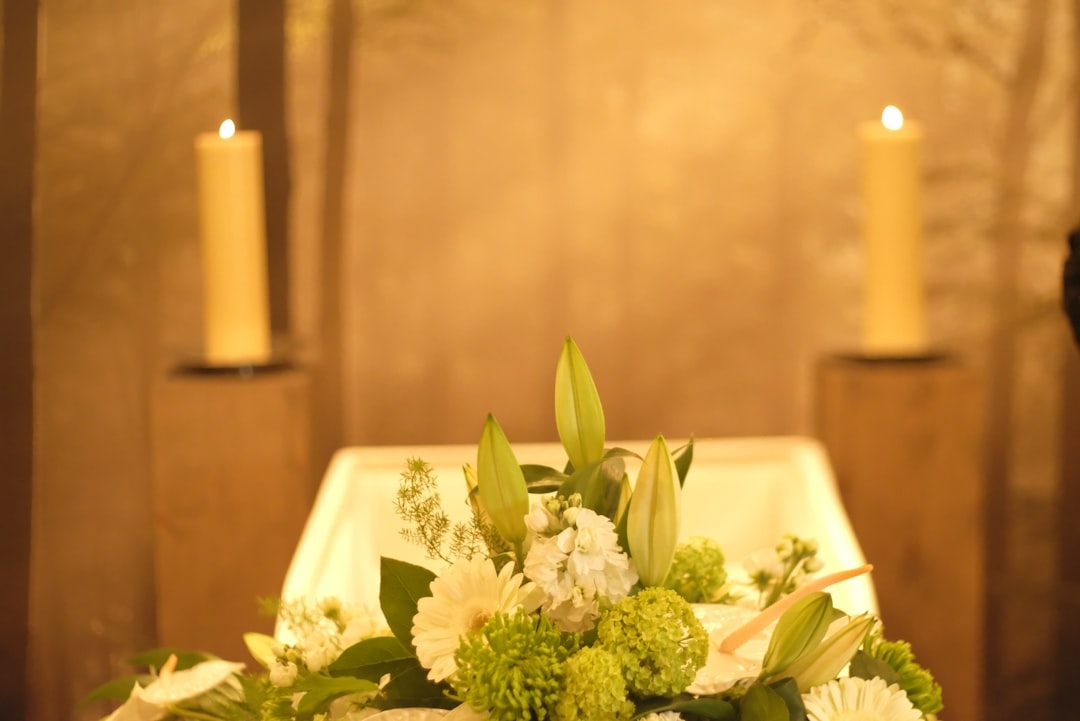
How Color Affects Grieving
Color psychology plays a quiet but powerful role. Dr. Marissa Cohen, horticultural therapist and author (2025), explains:
“White flowers reduce sensory stress for mourners. They don’t distract; instead, they create an environment where grief can be gently processed.”
A 2024 Michigan State University study showed that people exposed to all-white floral displays at memorials reported feeling 23% calmer, on average, than those in rooms with bright-colored arrangements.
Honoring Without Words
When words fail, white flowers speak volumes. They communicate respect and remembrance–without risking offense. This is why many families, especially those who aren’t sure what the deceased would have wanted, default to white.
Alternatives: When Are Other Colors Appropriate?
White is common, but not mandatory. Increasingly, US families personalize funeral floristry to reflect a loved one’s personality. Here’s when color might be chosen:
- Military funerals: Red, white, and blue arrangements.
- Celebrations of life: The deceased’s favorite colors or flowers.
- Cultural funerals: For example, Korean-American families may use yellow and white together.
But, as florist Kayla Martinez (Brooklyn Blooms, NY) observes,
“If you’re not sure, white is safest. It’s never going to be inappropriate.”
Funeral Flowers FAQ
Why do people send white flowers for funerals?
People send white flowers for funerals because white symbolizes peace, purity, and remembrance. In the United States, this tradition dates back to Victorian times and is seen as a respectful, comforting choice for honoring the deceased.
Can other colors be used for funeral flowers?
Yes, other colors can be used, especially if they reflect the deceased’s personality or cultural background. However, white remains the most universally accepted and appropriate color in American funeral traditions.
What types of white flowers are most popular for funerals?
The most popular white flowers for funerals in the US are lilies, roses, chrysanthemums, carnations, and orchids. These are chosen for their meaning, availability, and elegant appearance.
Are white flowers used at funerals in other cultures?
Yes. White is used in funeral ceremonies in countries like China, Japan, and India, but the symbolism and specific flowers may vary. In the US, white signals respect and remembrance, while in some cultures it may represent mourning or spiritual purity.
How much does a typical white funeral arrangement cost in the US (2026)?
As of 2026, a typical white funeral flower arrangement costs between $65 and $250, depending on the size, type of blooms, and florist. Online services like FTD and local florists offer options to suit various budgets.
Next Steps: Personalizing Funeral Flowers With Meaning
Planning a memorial? Ask your florist about subtle ways to personalize an all-white arrangement–like tucking in the deceased’s favorite herb, ribbon, or a single colored bloom. Or, if the person loved sunflowers or bluebells, blend traditional white with a touch of unexpected color. The best floral tributes tell a story, honoring both tradition and individuality. In 2026, white remains the canvas; you get to paint the memory.