Biedermeier bouquet style explained
6 min read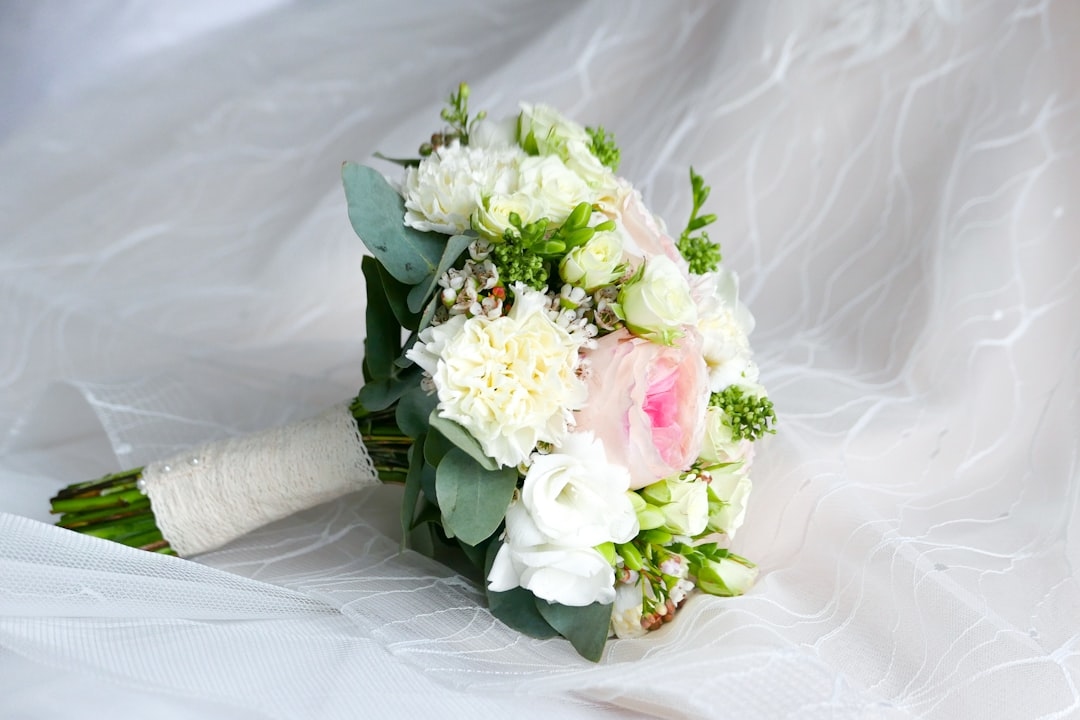
Contents:
- What Is the Biedermeier Bouquet Style? (Direct Answer)
- The Story Behind the Biedermeier Bouquet
- Hallmarks of a Biedermeier Bouquet
- Popular Flowers Used in Biedermeier Bouquets
- Biedermeier vs. Other Bouquet Styles
- How to Make a Biedermeier Bouquet
- Step 1: Gather Materials
- Step 2: Prepare Flowers
- Step 3: Build the Core
- Step 4: Add Concentric Rings
- Step 5: Secure and Wrap
- Step 6: Hydrate and Store
- When to Choose a Biedermeier Bouquet
- Perfect for:
- Less ideal for:
- Cost & Sourcing in 2026
- Tips for Modern Biedermeier Bouquets
- FAQ: Biedermeier Bouquet Style
- What makes a bouquet “Biedermeier”?
- Are Biedermeier bouquets expensive?
- Can I order a Biedermeier bouquet online in the US?
- What occasions are best for Biedermeier bouquets?
- How long does a Biedermeier bouquet last?
Biedermeier Bouquet Style Explained
Picture a wedding in Vienna, 1825. In the bride’s hands: a perfectly round bouquet, tightly composed, banded with color, and bursting with symbolism. That’s the Biedermeier bouquet–a style that’s made comebacks from historic salons to TikTok florists, and still feels refreshingly modern. Want a hand-tied arrangement that’s both neat and deeply meaningful? Biedermeier bouquets are your answer.
What Is the Biedermeier Bouquet Style? (Direct Answer)
The Biedermeier bouquet is a structured floral arrangement featuring concentric circles of different flowers or colors, arranged tightly to form a compact, dome-shaped design. Popularized in Central Europe during the Biedermeier period (1815-1848), this bouquet style is known for its symmetry, bands of contrasting blooms, and elegant, formal appearance. Today’s Biedermeier bouquets are often used for weddings, centerpieces, and events where a polished, historic look is desired.
The Story Behind the Biedermeier Bouquet
The Biedermeier era was all about comfort, artistry, and homegrown style. Named after Gottlieb Biedermeier, a satirical character poking fun at the middle class, the period’s design–music, furniture, and floristry–embraced order and ornamentation without being showy. Florists arranged flowers in concentric rings, often mixing garden favorites and herbs for added scent and symbolism.
Fun fact: According to Dr. Lisa Ehrlich, a floral historian at the University of Minnesota, over 40% of wedding bouquets in 19th-century Austria used the Biedermeier technique–a testament to its popularity and versatility.
The tradition stuck. Generations later, American florists like Emily Shepard (Shepard’s Blooms, Seattle) say requests for Biedermeier bouquets spike around vintage-themed events and classical weddings, especially on the East Coast.
Hallmarks of a Biedermeier Bouquet
Not every round bouquet is Biedermeier. Here’s how to spot the real thing:
- Concentric Rings: Main feature–each “band” or ring is made from a single flower variety or color, tightly grouped.
- Compact Dome: The silhouette is round (not cascading), with a snug, almost no-gap finish.
- Mixed Symbolism: Historically, each ring had meaning. Red roses for love, myrtle for fidelity, violets for modesty.
- Trimmed Stems: The bouquet is finished with ribbon, lace, or fabric, often matching the event’s palette.
- Consistency: No random sprigs–everything is deliberate, with repetition and structure.
Popular Flowers Used in Biedermeier Bouquets
- Roses (tea, spray, garden)
- Freesia
- Lisianthus
- Ranunculus
- Mini calla lilies
- Hypericum berries
- Eucalyptus, myrtle, or rosemary (for greens and scent)
American spin: In 2026, florists blend classic European choices with sustainable, US-grown flowers. Locally sourced peonies or sunflowers can easily be subbed in.
Biedermeier vs. Other Bouquet Styles
| Bouquet Style | Shape | Composition | Mood/Occasion |
|---|---|---|---|
| Biedermeier | Round | Concentric rings, tight | Formal, vintage |
| Posy | Small round | Mixed, loosely packed | Weddings, gifts |
| Cascade | Teardrop | Trailing, waterfall blooms | Classic weddings |
| Hand-tied (wildflower) | Loose dome | Mixed, unstructured | Rustic, casual |
| Nosegay | Small round | Compact, mostly foliage | Bridesmaids, prom |
“The main difference? A Biedermeier bouquet is as much about structure as color and symbolism. Each ring tells a story,” says Emily Shepard, Seattle-based wedding florist.
How to Make a Biedermeier Bouquet
Curious to DIY or curious how the pros build them? Here’s a step-by-step overview:
Step 1: Gather Materials
- 4-5 types of flowers in chosen colors. About 40-60 stems for a medium bouquet.
- Filler greens (e.g., myrtle, eucalyptus)
- Floral tape, ribbon to finish
- Sharp floral snips
Step 2: Prepare Flowers
- Remove excess leaves and thorns.
- Trim stems to equal length (10-12 inches is standard for US bouquets).
Step 3: Build the Core
- Start with a tight central bunch of one flower (e.g., roses or ranunculus).
- Secure with floral tape, keeping the bundle upright.
Step 4: Add Concentric Rings
- Arrange the next type of flower around the core, stem by stem, moving in a circle.
- Repeat for each new flower ring, keeping each band distinct.
Step 5: Secure and Wrap
- Once finished, bind tightly with floral tape, then wrap with ribbon or lace.
- Snip stem ends for uniform length.
Step 6: Hydrate and Store
- Place in cool water until ready to use–ideally within 24 hours for perky blooms.
Tip from US-based florist Nora Tran (Tran’s Botanicals, Chicago):
“A slow, careful build is key. Don’t rush the rings. Each layer should be visibly separate and uniform.”
When to Choose a Biedermeier Bouquet
Is a Biedermeier right for your event–or for your client, if you’re a pro?
Perfect for:
- Traditional weddings where structure and symbolism matter.
- Formal events like galas, graduations, or debutante balls.
- Historic venues (think New York’s The Plaza, or Boston’s Fairmont Copley).
- Sympathy, memorial, or church arrangements–the neatness lends dignity.
Less ideal for:
- Rustic barn weddings: Wildflower bunches suit better.
- No-fuss, casual events: Biedermeier’s precision can feel fussy in a laid-back setting.
Cost & Sourcing in 2026
As of 2026, the average Biedermeier bouquet in the US costs between $120 and $250, depending on flower choice and season. American growers like Sun Valley Floral Farms (California) and Kendall Farms (Florida) offer sustainable, domestic options–reducing carbon footprint and ensuring fresh, long-lasting blooms.
Tips for Modern Biedermeier Bouquets
Blending a centuries-old technique with contemporary tastes? Here’s how US florists make it fresh in 2026:
- Mix textures: Pair traditional roses with succulents, mini orchids, or pampas grass for a tactile upgrade.
- Go monochrome: All-white or all-pastel rings feel ultra-modern and photograph beautifully.
- Eco-friendly choices: Request locally-grown, organic flowers. Delivery services like Farmgirl Flowers or UrbanStems now offer Biedermeier-inspired arrangements with “green” credentials.
- Personal touches: Incorporate a family brooch, locket, or meaningful lace into the bouquet wrap for an American twist.
FAQ: Biedermeier Bouquet Style
What makes a bouquet “Biedermeier”?
A bouquet is considered “Biedermeier” when it features concentric rings of different flowers or colors, arranged tightly in a round, domed shape with a structured, formal appearance.
Are Biedermeier bouquets expensive?
Yes, compared to loose or wildflower styles, Biedermeier bouquets usually cost more ($120-$250 in the US) due to the labor-intensive, precise construction and the need for multiple flower varieties.
Can I order a Biedermeier bouquet online in the US?
Several US flower delivery services, such as UrbanStems and Farmgirl Flowers, offer custom Biedermeier-style bouquets for nationwide delivery. For weddings, most local florists can create one with advance notice.
What occasions are best for Biedermeier bouquets?
Biedermeier bouquets are ideal for weddings, formal events, and historic or elegant venues where a structured, meaningful arrangement is desired.
How long does a Biedermeier bouquet last?
When made with fresh flowers and kept hydrated, a Biedermeier bouquet typically looks its best for 3-5 days. Using hardy blooms and greens can extend this up to a week.
For florists, flower lovers, and engaged couples alike, the Biedermeier bouquet offers more than just historic charm–it’s a chance to tell your story, one beautiful ring at a time. If you’re planning a wedding or an event that values both artful design and heartfelt meaning, consider bringing this classic style firmly into 2026. Visit your local florist (or try a US-based flower delivery service) and ask for a modern Biedermeier bouquet–your guests will notice, and you’ll have a new favorite floral tradition.