Flower CSA subscriptions – cost vs value
6 min read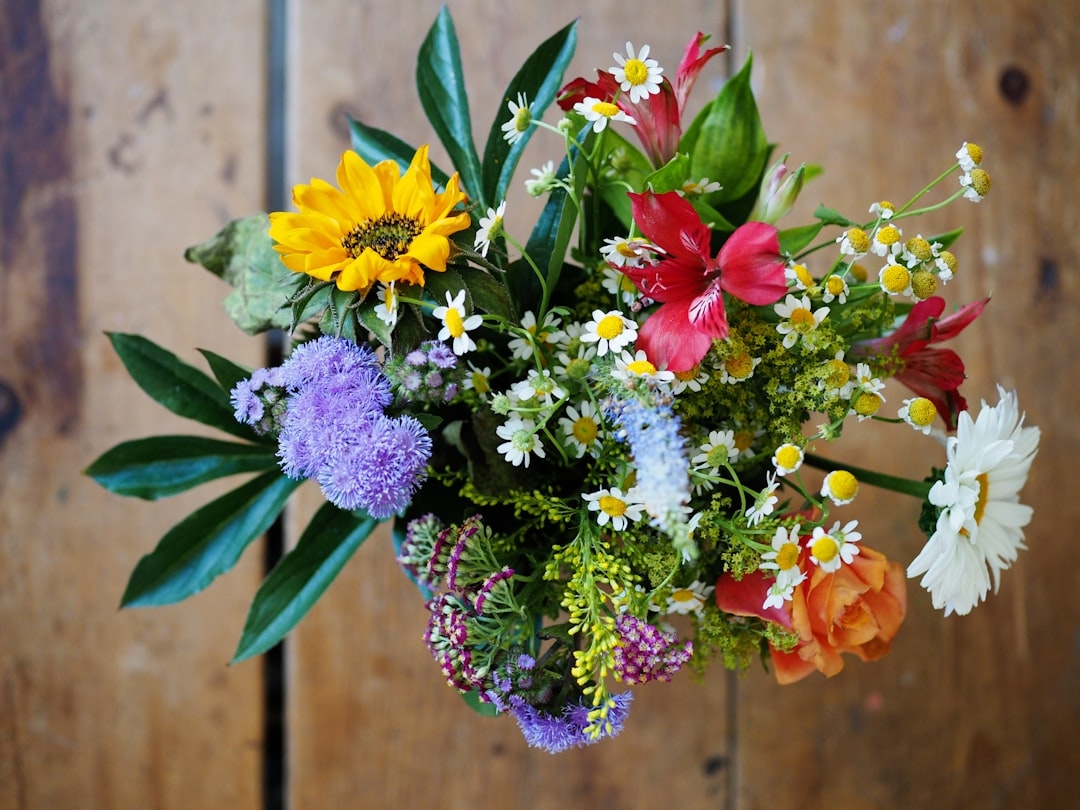
Contents:
- Quick Answer: Is a Flower CSA Subscription Worth the Cost?
- How Flower CSAs Work
- The CSA Model Explained
- Flower CSA Subscription Costs in 2026
- What Americans Are Paying Now
- Payment Details
- Breaking Down the Value: More Than Just Flowers
- Quality and Longevity
- Unmatched Variety
- Earth-Friendly Choice
- Connection and Experience
- Flower CSAs vs Other Flower Sources: Pros and Cons
- How to Choose the Right Flower CSA
- Key Considerations
- Where to Find CSAs
- Who Gets the Most Value from a Flower CSA?
- Flower CSA Subscriptions: American Trends in 2026
- FAQs
- How much does a flower CSA subscription cost in the US?
- Are flower CSA bouquets better quality than supermarket flowers?
- Can I gift a flower CSA subscription?
- Do flower CSAs deliver, or do I have to pick up?
- What happens if I miss a pickup or a week?
- What’s Next? Making Your Flower Habit More Meaningful
Flower CSA Subscriptions – Cost vs Value
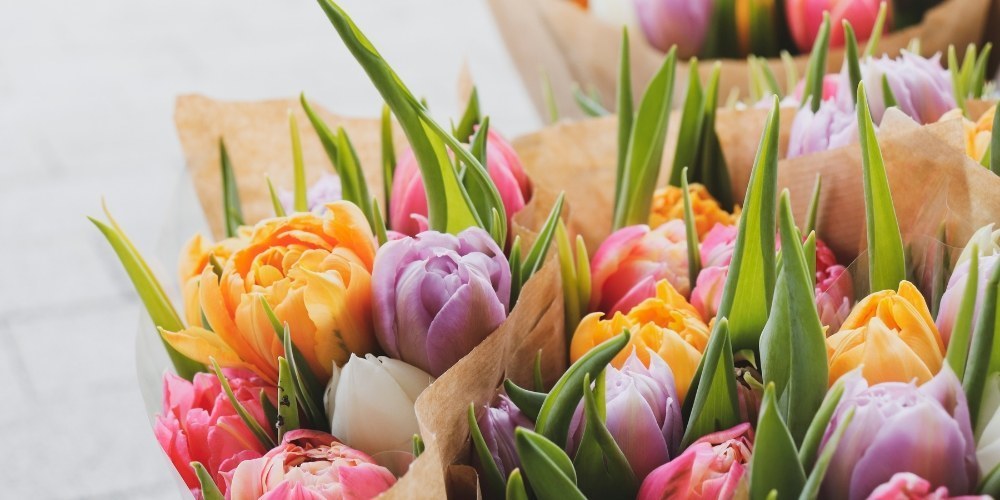
A dahlia bouquet from a local farm, bursting with field-fresh color and fragrance, lands on your table every Friday. It’s not delivered by a nameless floral behemoth, but hand-packed by someone who knows their snapdragons from their stock. This is the promise of a Flower CSA (Community Supported Agriculture) subscription. The trend is blooming across the US and for good reason: the real value of a Flower CSA goes beyond just dollars and stems.
Quick Answer: Is a Flower CSA Subscription Worth the Cost?
Most US flower CSA subscriptions range from $20 to $45 per week for a 4 to 16-week season, totaling $120-$720 per year. Compared to grocery bouquets or online florist deliveries ($15-$65 per bouquet), CSAs offer fresher, longer-lasting, and locally grown flowers–plus the joy of variety and direct support for American growers. Subscribers report bouquets lasting up to 30% longer than store-bought, and nearly 80% say the experience adds substantial value to their lives.
How Flower CSAs Work
The CSA Model Explained
A flower CSA works much like its vegetable counterpart. You pay upfront (usually in winter or early spring) to reserve your share of the coming season’s blooms. In exchange, you receive a regular bouquet–typically every week or every other week–plucked fresh from the field and arranged by the farmer or florist.
Here’s what a standard CSA season might look like in 2026:
- Duration: 4-16 weeks (some stretch to 20+ weeks in mild climates)
- Frequency: Weekly or biweekly pickups/deliveries
- Bouquet Size: 12-25 stems, often with specialty or heirloom varieties
- Pickup/Delivery: Farm, farmers market, or local businesses; some offer home delivery (fees may apply)
Example: Tiger Lily Flower Farm in Rhode Island offers a 10-week summer floral CSA for $295, with weekly bouquets of farm-grown zinnias, cosmos, and lisianthus.
Flower CSA Subscription Costs in 2026
What Americans Are Paying Now
Pricing reflects more than just the cost of flowers. You’re funding seeds, labor, land stewardship, and a share of the farmer’s risk. Here are sample prices from US flower farms in 2026:
| Farm or Brand | Location | Weeks | Price (USD) | Price per Week | Delivery Fee |
|---|---|---|---|---|---|
| Petal & Thorn Farm | OR | 8 | $185 | $23.13 | $18 season |
| Field to Vase Flowers | TX | 12 | $320 | $26.67 | Free local |
| Urban Stems CSA | NYC | 6 | $205 | $34.17 | $6/week |
| Bluebird Blooms | CO | 16 | $570 | $35.63 | $0 |
| Local grocery bouquet | US avg | – | $18 | – | – |
| 1-800-Flowers bouquet | US avg | – | $37 | – | Usually incl. |
Bouquet sizes are generally larger and more unique than what supermarkets offer–often including unusual field flowers rarely seen in mass retail.
Payment Details
- Upfront commitment: Most CSAs take full payment when you sign up, though some offer split payments or scholarships.
- No substitutions: Because selections are field-dependent, expect surprises–this is part of the appeal.
- Delivery miles matter: Longer delivery routes may carry higher fees.
Breaking Down the Value: More Than Just Flowers
Quality and Longevity
Dr. Nina Morrell, a horticulturist and author of The American Cut Flower Renaissance, notes:
“Locally-grown CSA bouquets can last 7-12 days in a vase–up to 30% longer than imported supermarket flowers, which often spend a week in transit.”
That’s not just better value per stem. It’s fewer spent blooms in the trash, and more time enjoying that showy garden-fresh color.
Unmatched Variety
In a typical American supermarket in July, you’ll see roses, lilies, and maybe some dyed carnations. A June CSA bouquet, by contrast, might feature:
- Scented peonies
- Ruffled ranunculus
- Bunny tail grass
- Locally foraged greenery
Some farms even include rare or experimental varieties not found in traditional retail.
Earth-Friendly Choice
Over 80% of flowers sold in the US are imported, mainly from Colombia and Ecuador (source: USDA, 2025). Stateside CSAs eliminate the transcontinental carbon footprint and often use organic practices. Many also compost flower waste and avoid single-use plastics.
Connection and Experience
Weekly pickups can mean spontaneous farmers market chats, farm visits, instructional bouquet-making events, or even private field tours. One CSA customer, Maribel Hancock of Ohio, described her subscription as “a chance to slow down, learn flower names, and feel a real connection with what’s growing around me.”
Flower CSAs vs Other Flower Sources: Pros and Cons
| Source | Average Cost per Bouquet | Expected Vase Life | Variety | Eco-Footprint | Local Impact |
|---|---|---|---|---|---|
| Flower CSA | $20-$45 | 7-12 days | Unique/seasonal | Very low | High |
| Grocery Bouquet | $12-$22 | 3-7 days | Standard | High (imported) | Low |
| Online Florist (e.g. UrbanStems, 1-800-Flowers) | $30-$70 | 5-10 days | Mixed | High | Low |
| Florist Shop | $45-$100 | 5-10 days | Varied | Mixed | Medium |
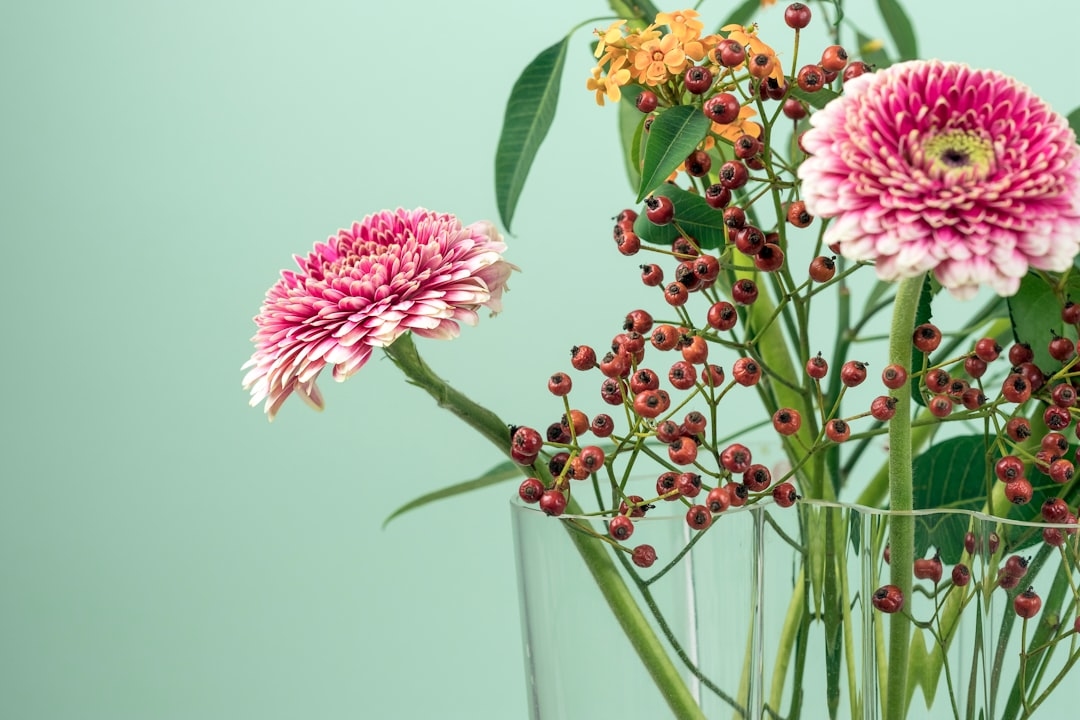
Pull-quote:
“A grocery bouquet provides instant color, but a CSA subscription invites you into the rhythm of the seasons.”
– Emily Tran, florist and owner, Field & Fable, Seattle
How to Choose the Right Flower CSA
Key Considerations
- Location & Pickup: How far are you willing to travel? Some deliveries may be limited to certain ZIP codes.
- Season Length: Do you want spring-only, summer-only, or an extended package?
- Bouquet Style: Wild and rustic, or classic and refined? Farms often post sample bouquet photos.
- Allergies & Preferences: Communicate if you have sensitivities (e.g., to lilies or eucalyptus).
- Add-ons: Some CSAs offer add-ons such as dried bouquets, wreath kits, or even “flower pressing” workshops.
Where to Find CSAs
Try searching on:
- LocalHarvest.org
- The Association of Specialty Cut Flower Growers’ member directory
- Community farmers markets
- Social media (Instagram hashtags: #flowerCSA, #[YourCity]FlowerCSA)
Who Gets the Most Value from a Flower CSA?
- Anyone seeking fresher, longer-lasting bouquets for their home or business
- Gift givers looking for something unique and meaningful
- Flower enthusiasts who value seasonal variety or want to experiment with arranging
- Advocates for local agriculture and eco-friendly living
According to a 2026 survey by the Slow Flowers Society, 78% of American subscribers felt their CSA was “excellent” or “well above expectation” for enjoyment and value.
Flower CSA Subscriptions: American Trends in 2026
Flower CSAs are no longer a coastal or hipster phenomenon. Farms from Vermont to California report waitlists, and some urban customers now split a share with a neighbor. In 2026, the biggest trend is “micro-CSAs”–short, high-impact subscriptions for special events, like weddings or seasonal parties.
The US floral market expects direct-from-farm subscription sales to grow another 12% this year (Floriculture Review, Jan. 2026).
FAQs
How much does a flower CSA subscription cost in the US?
In 2026, most American flower CSA subscriptions cost between $20 and $45 per week, with package totals for the full season ranging from $120 to $720 depending on length and bouquet size.
Are flower CSA bouquets better quality than supermarket flowers?
Yes. Flower CSA bouquets are typically picked within 24 hours of delivery, ensuring superior freshness, fragrance, and vase life compared to imported supermarket bouquets that may be over a week old.
Can I gift a flower CSA subscription?
Absolutely. Most US flower farms and florists offer gift subscriptions, often with a personalized note or card included for the recipient.
Do flower CSAs deliver, or do I have to pick up?
It varies. Some CSAs offer home or office delivery for an extra fee (ranging from $5 to $20 per delivery), while others require pickup at the farm, farmers market, or a local partner business.
What happens if I miss a pickup or a week?
Policies differ. Some farms allow you to send a friend to collect your bouquet; others may offer a make-up bouquet the following week. Always check the farm’s terms before signing up.
What’s Next? Making Your Flower Habit More Meaningful
Want to get even more from your subscription? Try tracking the vase life and scent of each bouquet, experimenting with your own arrangements, or even growing a few companion flowers at home. If you’re not ready to commit to a full season, look for farms offering trial weeks or pop-up bouquet sales. Supporting a flower CSA isn’t just about cost per stem–it’s about joining a movement toward fresher, more thoughtful, and beautifully unpredictable blooms in America’s homes.
Ready to see what your own table could look like with local flowers? Check your zip code–your future bouquets may be growing just down the road.