Lavender culinary use guide
6 min read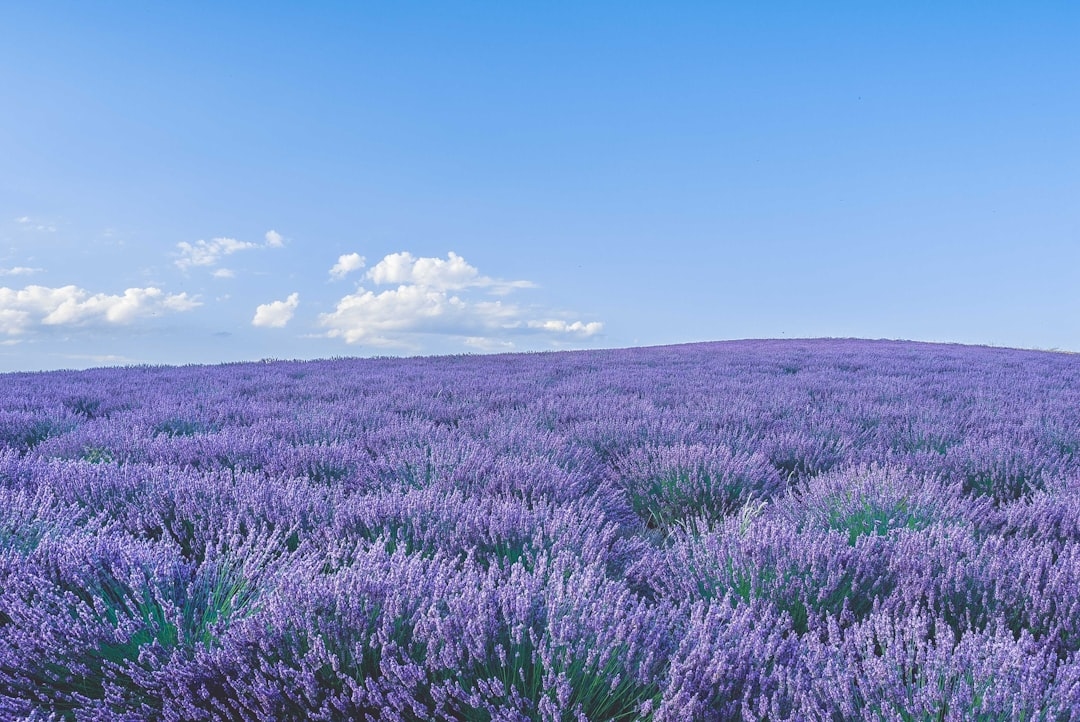
Contents:
- Quick Answer: Can You Use Lavender in Cooking?
- What Exactly Is Culinary Lavender?
- The Right Lavender for Your Table
- Fresh vs. Dried
- Key Ways to Use Lavender in the Kitchen
- Sweets: Where Lavender Shines
- Savory Surprises
- Drinks
- A Few Quick Recipe Ideas
- How Much Lavender Is Safe To Eat?
- Buying, Storing, and Growing Culinary Lavender
- Where to Buy Culinary Lavender in the US
- Storing Lavender
- Grow Your Own
- Pairing Lavender: What Works and What Doesn’t
- Common Mistakes: How To Avoid “Soap” and Bitter Flavors
- The Overuse Trap
- Wrong Variety
- Insufficient Straining
- FAQ: Culinary Lavender
- What type of lavender is best for cooking?
- Can I eat all parts of the lavender plant?
- How should I store lavender for cooking?
- Is lavender safe for children and pets?
- How much lavender should I use so the food doesn’t taste like soap?
- What’s Next? Try Lavender in Your Own Kitchen
Lavender Culinary Use Guide
A pinch of lavender can transform a simple dish into something ethereal. Picture a honey-lavender ice cream on a summer afternoon, or a loaf of bread perfumed with floral notes. In 2026, lavender is not just about sachets or spa days–it’s one of America’s most intriguing edible flowers, finding its way into everything from cocktails to roast chicken. But does it taste as lovely as it smells? And how do you use it in real kitchens without everything tasting like soap? This is your science-backed, chef-tested, surprisingly practical guide to culinary lavender.
Quick Answer: Can You Use Lavender in Cooking?
Culinary lavender, specifically species like Lavandula angustifolia (English lavender), is safe and flavorful for cooking and baking. Use buds or leaves sparingly–typically 1/2 teaspoon dried per recipe–to add subtle, floral notes to both sweet and savory dishes. Avoid ornamental lavenders, which may contain higher camphor and a bitter taste. Always choose food-grade, pesticide-free sources.
What Exactly Is Culinary Lavender?
Not all lavenders are created equal. The term “culinary lavender” refers to a few key varieties, chosen for their gentle flavor and low camphor content.
The Right Lavender for Your Table
- English Lavender (Lavandula angustifolia)
This is the classic pick for American cooks. Its gently sweet, complex flavor pairs well with desserts and savory recipes. - Hidcote & Munstead
Popular English cultivars, widely available at retailers like Burpee and Baker Creek. Both have purple-blue buds and are prized for their compact growth–perfect for kitchen gardens.
“For food, never use ornamental lavenders or blends labeled for potpourri–they’re often too pungent or have been treated with chemicals,” advises Ellie Stanton, Chef and herb specialist at Blue Hill Farms, NY.
Fresh vs. Dried
Fresh lavender offers subtle, grassy notes. Dried is more concentrated–use 1/3 less by volume if swapping dried for fresh.
Key Ways to Use Lavender in the Kitchen
Lavender isn’t a “use it everywhere” herb. Its perfume is strong, and a little goes a long way. These are the U.S. chefs’ and bakers’ favorite ways to highlight its best qualities:
Sweets: Where Lavender Shines
- Shortbread cookies: Add 1/2 teaspoon dried buds (ground) per batch.
- Ice cream/gelato: Infuse cream with a tablespoon of buds, then strain.
- Lemon-lavender cakes or cheesecakes: Pairs especially well with citrus, honey, berries.
- Simple syrups: Steep for cocktails or lemonade.
Savory Surprises
- Herbes de Provence: Classic French blend (try Penzeys brand for authenticity).
- Grilled meats: Mix lavender with rosemary, thyme, and sea salt.
- Compound butters: Blend with softened butter and lemon zest for fish or roast chicken.
Drinks
Lavender lattes, lemonades, and gin cocktails have exploded in US cafes and bars since 2024. Starbucks has run lavender drinks seasonally at over 2,000 locations, and home bartenders love the trend.
A Few Quick Recipe Ideas
- Lavender honey: Stir 1 teaspoon finely chopped dried buds into 8 oz local honey.
- Lavender sugar: Blend 2 tablespoons dried buds with 1 cup white sugar–store airtight, use for baking or tea.
- Lavender-rosemary focaccia: Sprinkle a pinch onto bread dough before baking.
How Much Lavender Is Safe To Eat?
Too much lavender can overpower–and potentially upset sensitive stomachs. The U.S. FDA lists food-grade lavender as generally recognized as safe (GRAS), but moderation is key.
| Form | Taste Strength | Recommended Max/Recipe |
|---|---|---|
| Dried buds | Strong | 1/2 to 1 teaspoon |
| Fresh buds/leaves | Milder | 1 to 1.5 teaspoons |
| Extract or oil* | Very strong | Not recommended** |
* Only use extracts labeled as food-safe; avoid essential oils unless certified for internal use.
** Most culinary experts, including Dr. Julia Stephens of the American Botanical Council, advise using only the raw herb, not concentrated oils, unless under expert guidance.
“Taste as you go–start with half the recommended lavender, let it infuse, then adjust. Trust your nose and palate,” says Chef Maria Conrad (James Beard nominee, 2025).
Buying, Storing, and Growing Culinary Lavender
Where to Buy Culinary Lavender in the US
- Online: Mountain Rose Herbs, Amazon (look for “culinary grade”).
- Specialty grocers: Whole Foods, Central Market, Sprouts.
- Farmers markets: Look for “edible” or “pesticide-free” labeling.
Expect to pay $8-$15 for a 1-oz bag of dried buds in 2026. Fresh lavender bundles, when in season, run $4-$6.
Storing Lavender
- Dried: Keep in airtight jars, away from light and heat. Best flavor within 6-12 months.
- Fresh: Wrap stems in a damp towel, refrigerate, and use within a week. Or, stand in a cup of water (like cut flowers).
Grow Your Own
Even a sunny windowsill can nurture a ‘Munstead’ or ‘Provence’ plant. Lavender thrives in well-drained soil, and a standard 8-inch pot is enough for personal use.
Pairing Lavender: What Works and What Doesn’t
Not every recipe welcomes lavender. Pairings can make or break a dish.
Best Pairings
- Citrus: Lemon, orange, grapefruit
- Honey, vanilla, white chocolate
- Berries: blueberry, raspberry, strawberry
- Herbs: thyme, rosemary, mint
Use With Caution
- Chocolate (can go “soapy” unless carefully balanced)
- Coffee (may taste medicinal)
- Garlic/onion (clash with florals)
Pull-Quote
“Lavender should be the background harmony, not the lead singer. Let it lift other flavors, never dominate them.”
– Ellie Stanton, Blue Hill Farms
Common Mistakes: How To Avoid “Soap” and Bitter Flavors
The Overuse Trap
Most home cooks who dislike lavender in food have simply tried too much. For a subtle note, “Start with a pinch, not a palmful,” advises Chef Conrad.
Wrong Variety
French or Spanish lavenders (Lavandula stoechas, dentata) are beautiful but bitter. Stick to English.
Insufficient Straining
If infusing cream, syrup, or vinegar, strain thoroughly. Leftover bits release astringent flavors over time.
FAQ: Culinary Lavender
What type of lavender is best for cooking?
English lavender (Lavandula angustifolia), especially ‘Hidcote’ and ‘Munstead’ varieties, is preferred. These have a sweet, mellow flavor and low camphor content. Avoid French or Spanish lavenders for cooking.
Can I eat all parts of the lavender plant?
The buds, leaves, and stems of culinary lavender are edible, but the buds are most commonly used for flavor. Leaves and stems can be used to infuse dishes but tend to be less flavorful and more woody.
How should I store lavender for cooking?
Dried lavender should be stored in a sealed jar in a cool, dark place. Fresh sprigs last in the fridge for up to a week, or can be dried and stored.
Is lavender safe for children and pets?
Culinary lavender is safe in small amounts for children and adults. Most pets (especially cats and dogs) should not eat large quantities, as the essential oils can irritate their digestive tract.
How much lavender should I use so the food doesn’t taste like soap?
For a standard recipe (e.g., a batch of cookies, a quart of ice cream), use 1/2 to 1 teaspoon dried lavender buds. Start with less; you can always add more after tasting.
What’s Next? Try Lavender in Your Own Kitchen
Next time you pass a fragrant patch of lavender at your local farmers market, bring some home for your spice rack. Whether crafting honey-lavender lemonade, infusing syrups, or experimenting with floral shortbread, one step is key: go slow, and taste as you go. If growing your own, you’ll have a fresh supply ready for your next kitchen experiment. Lavender’s gentle presence can surprise you–just don’t let it shout.
Want to try something easy? Start with lavender sugar: pulse a tablespoon of dried, culinary-grade buds with a cup of sugar, then sprinkle it on fruit, scones, or even popcorn. One small jar, a world of aromatic possibility.