Floral workshops as revenue stream
7 min read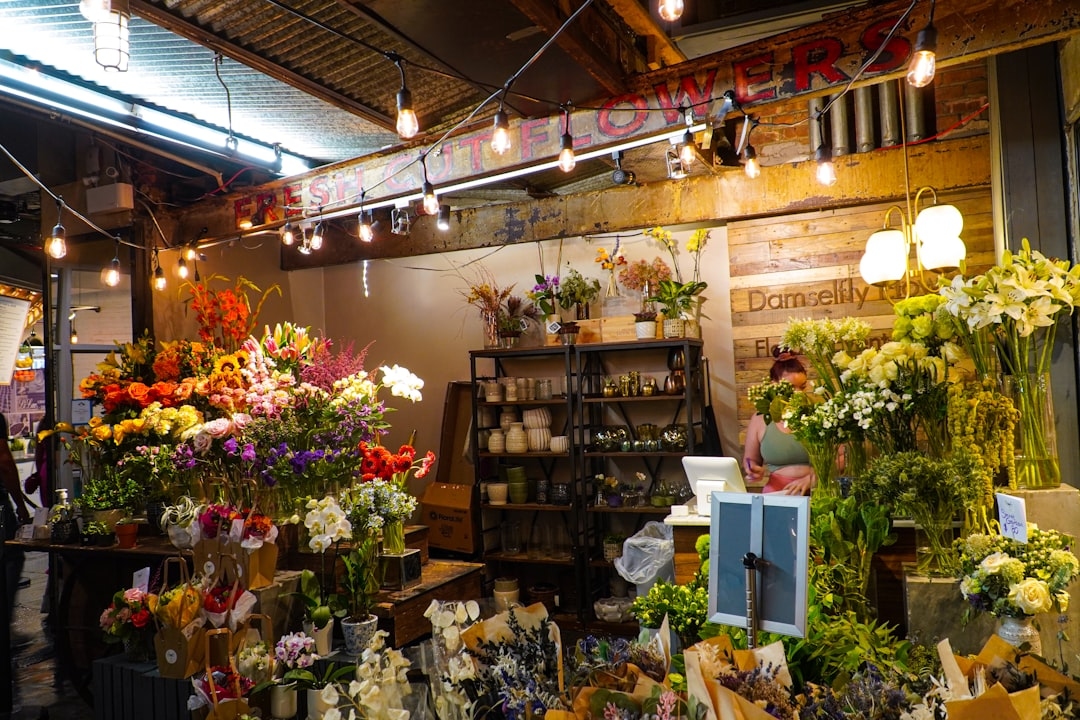
Contents:
- What Are Floral Workshops–and Why Are Florists Turning to Them?
- Why Floral Workshops? Five Advantages for Florists
- Predictable Revenue, Less Waste
- Community and Brand Loyalty
- Diversification Against Industry Volatility
- Partnerships and Expansion Opportunities
- Upselling and Cross-Selling
- What Makes a Profitable Floral Workshop?
- Workshop Format and Pricing
- Class Types: What’s Trending?
- Smart Use of Supplies
- Marketing and Booking
- How Florists Can Start Offering Workshops
- Space and Setup
- Insurance and Permits
- Booking Systems
- Staffing
- Common Challenges–and How to Handle Them
- No-Shows and Last-Minute Cancellations
- Flower Price Fluctuations
- Keeping Content Fresh
- Direct Answer: How Much Can a Floral Workshop Earn in the US?
- Real-Life Example: A Florist’s Workshop Revenue Breakdown
- How to Market Floral Workshops for Maximum Participation
- Leverage Instagram and TikTok
- Targeted Email Lists
- Collaborate with Local Businesses
- Gift Cards and Corporate Gifting
- Key Trends in US Floral Workshops for 2026
- FAQ: Featured Snippet Answers
- How much money can you make from floral workshops in the US?
- What is included in a typical floral workshop?
- Are floral workshops profitable compared to regular flower sales?
- Can small florists or home-based businesses offer workshops?
- What are the most popular floral workshop themes in 2026?
Floral Workshops as Revenue Stream: How Florists are Blooming Beyond Bouquets
On a drizzly Thursday in Seattle, a dozen strangers gathered around farmhouse tables, each clutching a bright bundle of ranunculus and eucalyptus. Some were celebrating birthdays. Others just wanted a night away from screens. At $85 per seat, this 90-minute floral workshop was sold out–like every session this spring. Meanwhile, the hosting florist, Petal & Stem, is earning more in a single evening than they once made from a week of walk-in boutique sales.
Floral workshops aren’t just a creative pastime. In 2026, they’re a profit engine for American florists–and a surprisingly stable diversification play in a fluctuating retail landscape.
What Are Floral Workshops–and Why Are Florists Turning to Them?
Floral workshops are hands-on classes where customers learn flower arranging, wreath making, or other floral skills, usually in a florist’s shop or event space. For US florists, these workshops have become a dependable revenue stream. In 2026, the average ticket price for a floral workshop is $65-$120 per participant, with events filling up most often on weekends and around holidays.
Rather than relying purely on traditional flower sales (which can swing wildly based on season or walk-in traffic), workshops generate steady, pre-booked income. They also build loyal customer followings, drive social media buzz, and often lead to follow-up bouquet orders or event bookings.
Why Floral Workshops? Five Advantages for Florists
1. Predictable Revenue, Less Waste
Flower shops historically juggle a tricky balance: order too much inventory and blooms wilt unused; too little, and sales are lost. With workshops, florists can:
- Order flowers precisely for each class’s registration list–minimizing waste.
- Collect payment upfront (often non-refundable).
- Predict cash flow (and staff scheduling) with more accuracy.
Seattle-based florist and educator, Lisa Tran (owner of Wildflower Lab), explains:
“I know on any workshop night we’ll clear $900-$1,500–regardless of how many bouquets are ordered at the counter. For us, that covers rent and utilities every month.”
2. Community and Brand Loyalty
Workshops foster much deeper engagement than retail browsing. Participants post their finished arrangements on Instagram or TikTok, tagging the shop. They remember the experience–and the florist–when it’s time to order for Mother’s Day, proms, or weddings.
Short list of potential brand-building bonuses:
- Grows your marketing reach via word-of-mouth and shareable photos.
- Positions your shop as a creative destination, not just a store.
- Builds email lists and leads for future marketing.
3. Diversification Against Industry Volatility
US retail florists have seen a 17% decline in foot traffic since 2020 (American Florist Association, 2025). But the experiential gift market is rising–over 23% annually. Customers crave activities, not just products.
By running classes alongside daily sales, florists hedge against:
- Slow retail months (January, July)
- Supply chain spikes and price volatility on imported flowers
- The growing dominance of mass-market online flower delivery (like 1-800-Flowers)
4. Partnerships and Expansion Opportunities
Workshops are highly portable. Some florists take their classes on the road, working with:
- Local breweries or wineries (think “Blooms & Brews” nights)
- Corporate offices (employee wellness events)
- Community centers and schools
Partnering often means shared marketing and access to new audiences. Brooklyn’s Fern & Oak, for example, runs weekly “Flower Hour” events in collaboration with Verve Wine, selling out at $95 a seat plus wine pairing.
5. Upselling and Cross-Selling
A customer who attended a workshop is three times more likely to:
- Book the florist for wedding/event design
- Enroll in future classes, often bringing friends
- Sign up for flower subscriptions (a recurring revenue win)
What Makes a Profitable Floral Workshop?
Success isn’t just plopping a few buckets of carnations on the table. Here’s what sets high-earning workshops apart:
Workshop Format and Pricing
- Duration: 60-120 minutes is typical.
- Class size: 8-20 attendees optimizes for both intimacy and profitability.
- Pricing: Most US workshops in 2026 charge $65-$150 per seat, depending on arrangement size, included supplies, and any added perks (wine, snacks).
Class Types: What’s Trending?
| Workshop Style | Average Price (2026) | Typical Season | Materials Cost | Popular With |
|---|---|---|---|---|
| Handtied Bouquets | $85 | Year-round | Low-Medium | Beginners |
| Holiday Wreaths | $120 | Nov-Dec | Medium | Groups/corporate |
| Dried Arrangements | $95 | Spring/Summer | Low | Eco-conscious |
| Ikebana/Japanese Style | $110 | Year-round | Medium-High | Advanced/Art Lovers |
| Flower Crowns | $70 | Prom/Bridal season | Low | Teens/Events |
Smart Use of Supplies
Florists repurpose leftover blooms from retail sales, turning “overstock” into class materials. For a 12-person workshop, that’s typically just $100-$200 in flowers–a fraction of retail value.
Marketing and Booking
- Event platforms like Eventbrite and Meetup drive signups (with fees).
- Social media reels of hands-on arranging routinely outperform static bouquet images.
- Many florists incentivize early booking with discounts or bonus materials, e.g., custom vases.
How Florists Can Start Offering Workshops
You don’t need a massive storefront or a big staff. Here’s a blueprint for launching your own workshops, even if your business is just a year or two old.
Space and Setup
- Rearrange display tables or use a community partner’s venue.
- Invest once in sturdy clippers, vases, simple aprons, disposable tablecloths.
- Allow about 4-8 square feet per participant.
Insurance and Permits
- General liability coverage may need to be updated. Most US insurers will add a rider for “low-risk educational activities.”
- In some cities, you’ll need a special event permit (typically $30-$100 per event).
Booking Systems
- Use an integrated POS system (like Square or Shopify) with event ticketing add-ons.
- Consider platforms with built-in waitlists, reminders, and feedback options.
Staffing
- Start with the owner or lead florist teaching.
- Hire an assistant once groups exceed 12-15 for setup, cleanup, and hands-on guidance.
Common Challenges–and How to Handle Them
Every revenue stream has its hiccups. Here’s what florists report, with real-world solutions.
No-Shows and Last-Minute Cancellations
Solution:
Require advance payment with a strict cancellation window (48-72 hours before event). Offer credit (not refunds) for future workshops.
Flower Price Fluctuations
Solution:
Choose themes with flexible flower lists (e.g., “Seasonal Centerpieces”). Source blooms locally when possible–farmer partners may offer bulk discounts for regular events.
Keeping Content Fresh
Customers return for new experiences. Rotate workshop types seasonally and invite guest teachers occasionally (e.g., a local artist for holiday centerpiece painting).
Direct Answer: How Much Can a Floral Workshop Earn in the US?
A typical US-based floral workshop in 2026 earns between $700 and $2,400 per session.
- Median ticket price: $85 per attendee
- Average group size: 12-20
- Materials cost: $100-$350
- Net profit margin: 45-70%, higher than standard bouquet sales
Florists running two to four workshops per month see an added $18,000-$58,000 in annual revenue.
Real-Life Example: A Florist’s Workshop Revenue Breakdown
Let’s look at “Blossom & Vine,” a mid-size independent flower shop in Austin, TX. In 2026, they added four monthly workshops to their revenue streams.
| Revenue Source | Monthly Sales | Notes |
|---|---|---|
| Retail bouquets | $9,800 | Variable; peaks on holidays |
| Event floral design | $6,100 | Seasonal, dependent on bookings |
| Workshops (4/month) | $4,200 | Avg. 14 participants, $75/ticket |
| Subscriptions | $2,000 | Weekly flower deliveries |
Workshops now comprise nearly 20% of their monthly revenue–with less staffing stress than event design.
How to Market Floral Workshops for Maximum Participation
Leverage Instagram and TikTok
Short, fast-paced arranging videos with hashtag “#floralworkshop” draw local audiences. Tag local event accounts for more reach.
Targeted Email Lists
Capture emails at point of sale and previous workshops. Send early-bird invites and exclusive discounts to repeat customers.
Collaborate with Local Businesses
Cross-promote with coffee shops, yoga studios, and event spaces. Offer bundle deals (e.g., “Coffee & Blooms” morning workshop).
Gift Cards and Corporate Gifting
Workshops make popular group gifts and team-building activities.
Gift cards redeemable for workshop seats have become a steady micro-revenue in Q1 and Q2, months with fewer flower holidays.
Key Trends in US Floral Workshops for 2026
- Virtual Workshops remain popular for remote corporate teams, with DIY flower kits shipped nationwide via UPS or FedEx.
- Sustainability: Dried and everlasting floral classes are up 33% year-over-year, per GreenBloom Analytics.
- Cultural and Themed Events: Collaborations for Lunar New Year, Día de los Muertos, and Pride are vibrant draws.
- Child-Friendly Classes: Parents seek birthday experiences over toys–children’s flower crown or fairy garden workshops are selling out in major cities.
FAQ: Featured Snippet Answers
How much money can you make from floral workshops in the US?
A florist can earn between $700 and $2,400 per workshop session, with annual totals ranging from $18,000 to $58,000 if offering two to four workshops per month.
What is included in a typical floral workshop?
Most floral workshops include all materials (fresh flowers, vases, tools), hands-on instruction, and usually light refreshments. Participants take home their completed arrangement.
Are floral workshops profitable compared to regular flower sales?
Yes, workshops generally yield higher profit margins (45-70%), provide predictable revenue, and foster repeat business, unlike variable retail flower sales.
Can small florists or home-based businesses offer workshops?
Absolutely. Many small or home-based florists use community spaces or partner venues to run workshops. Start with smaller classes (6-10) before scaling up.
What are the most popular floral workshop themes in 2026?
Current top themes are: handtied bouquets, dried flower arrangements, seasonal wreaths, and culturally themed classes for holidays or local festivals.
Ready to grow your own workshop revenue? Pick a date, clear a worktable, and send that first invite. Your local flower fans are looking for something hands-on–and they’re willing to pay for the experience. The next best revenue stream could be blooming right in your own shop.