Cut flower garden by hardiness zone 9
7 min read
Contents:
- What Grows Best in a Zone 9 Cut Flower Garden? (Quick Guide)
- Understanding Your Zone 9 Climate
- Regional Nuances in Zone 9
- Top Cut Flowers for Zone 9 Gardens
- Annual Superstars
- Perennials and Shrubs
- Bulbs and Tubers
- Succession Planting for Year-Round Blooms
- Sample Planting Calendar (Houston, TX, Zone 9A)
- Soil, Water, and Fertilizer: Getting the Best Stems
- Soil Matters
- Smart Watering
- Fertilizer and Pest Control
- Harvesting, Arranging, and Vase Life Tips
- Best Practices for Cutting
- Conditioning Flowers
- Prolonging Vase Life
- Go Beyond the Basics: Unusual and Heirloom Varieties
- Where to Find Supplies and Support in the US
- Frequently Asked Questions
- What is the best month to start a cut flower garden in zone 9?
- Can I grow dahlias year-round in zone 9?
- How often should I water my cut flower bed in zone 9 summer?
- What are the best flowers to grow from seed in zone 9?
- Do zone 9 gardens need special soil amendments?
- Ready for Lush Bouquets? Take the Next Step
Cut Flower Garden by Hardiness Zone 9
A March morning in Houston. The air smells faintly of citrus and earth. You step outside, clippers in hand, and stare at a backyard bursting with zinnias, lisianthus, and cosmos – all ready to fill your vases without a single trip to the florist. That’s the magic of a cut flower garden in USDA Hardiness Zone 9: months of glorious color, variety, and armloads of blooms.
Zone 9 stretches across portions of California, Texas, Florida, and the Southeast, making it the sweet spot for flower enthusiasts. With winter lows rarely dropping below 20°F, you get a longer growing season than much of the U.S. The result? Some of the widest choices of cut flowers anywhere in the country.
What Grows Best in a Zone 9 Cut Flower Garden? (Quick Guide)
Zone 9 Gardeners Can Grow:
- Annuals: Zinnias, cosmos, sunflowers, celosia, marigolds
- Perennials: Echinacea, salvia, rudbeckia, Shasta daisies
- Bulbs/Tubers: Dahlias, gladiolus, ranunculus
- Tender Exotics: Lisianthus, amaranth, tithonia
- Foliage: Dusty miller, eucalyptus, coleus
Season: March through November (sometimes longer)
Tip: Direct seed in early spring and succession plant for continuous harvest.
“The sheer abundance of cut flowers you can grow in zone 9 is unbeatable,” says Mia Tran, owner of Bloomwise Florals in Tampa, FL. “With just a few packets of seeds, you’ll have fresh bouquets for half the year.”
Understanding Your Zone 9 Climate
Zone 9 sees annual minimum temperatures between 20°F and 30°F. For flower lovers, that means a frost-free window that often stretches from late February into December. This opens the door to growing flowers that can’t survive colder winters–think dahlias left in the ground, or late-autumn anemones.
Regional Nuances in Zone 9
- Zone 9A (Texas, inland California): Tends to have drier springs and hotter, sometimes windy, summers.
- Zone 9B (Florida, coastal California): Milder winters, but higher humidity and summer rainfall.
Gardeners in Jacksonville, FL, report starting seeds as early as mid-February, while those in El Paso wait until March due to lingering chills. Kevin Newell, a horticulturist at the San Antonio Botanical Garden, notes, “The extended warmth in zone 9 is a double-edged sword – it accelerates bloom times but also increases the need for smart watering, especially for thirsty annuals.”
Top Cut Flowers for Zone 9 Gardens
Annuals, perennials, and bulbs all thrive in zone 9, but some standouts perform spectacularly in home cutting gardens. Here’s what to prioritize for exceptional results.
Annual Superstars
Zinnias:
Bold, prolific, and heat-loving, zinnias (especially the ‘Benary’s Giant’ and ‘Queen Lime’ series) bloom continuously from spring into fall. Pinch young plants for bushier growth.
Lisianthus:
Sometimes called “Texas bluebells,” lisianthus offer rose-like blooms in pastels and vivid purples. They tolerate the heat but need consistent moisture. Try ‘Echo’ or ‘Voyage’ series for long stems.
Cosmos:
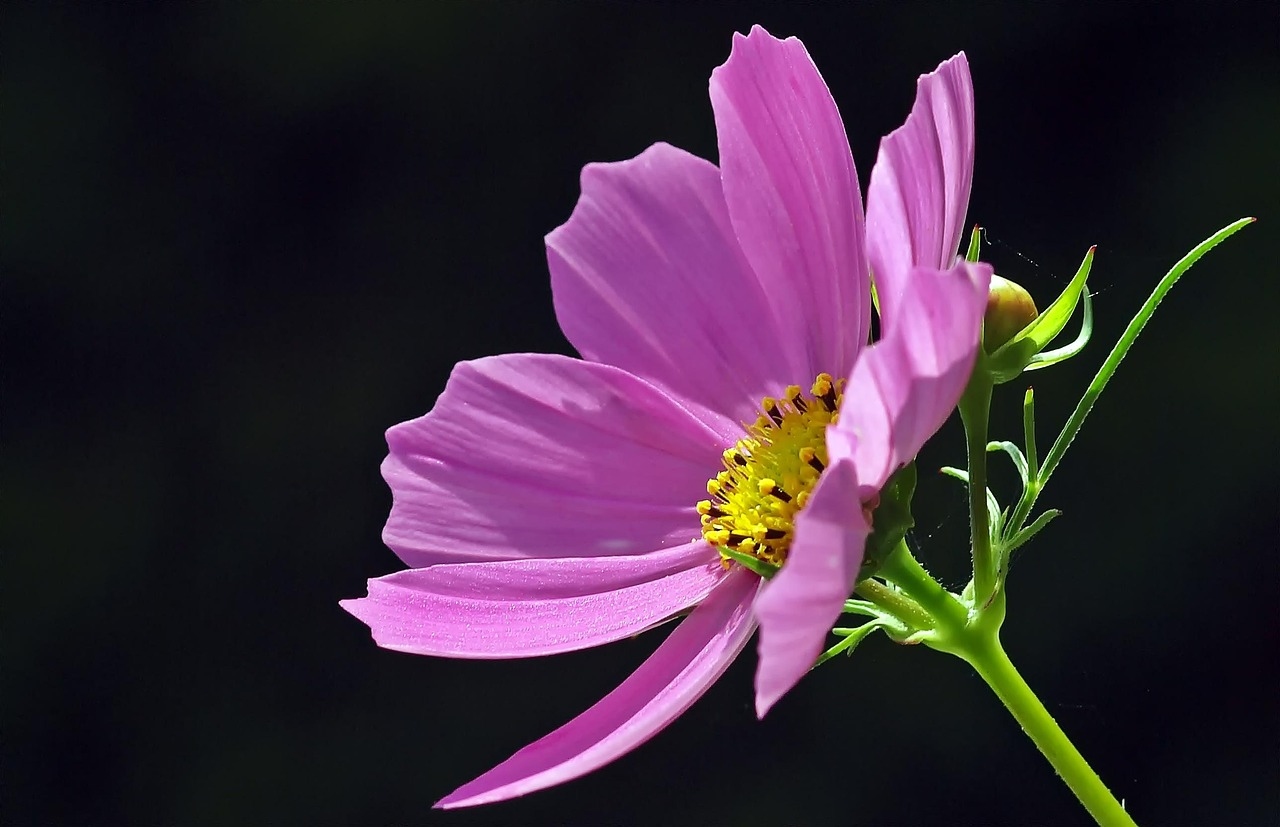
Light, airy, and available in white, pink, or orange. Cosmos tolerate poorer soils and keep blooming if deadheaded.
| Flower | Days to Bloom | Vase Life | Sowing Season |
|---|---|---|---|
| Zinnia | 60-75 | 7-10 days | March-May |
| Lisianthus | 140-180 | 10-14 days | February (indoors) |
| Cosmos | 80-90 | 5-7 days | March-April (direct) |
Perennials and Shrubs
Salvia:
Both perennial and annual salvias thrive in zone 9, offering vibrant blues and purples. ‘Mystic Spires’ is a favorite for its upright, long-lasting spikes.
Rudbeckia (Black-Eyed Susan):
Cheerful golden blooms from late spring to fall. Excellent for pollinators and drought tolerant.
Echinacea:
Coneflowers bring a wildflower look and work as focal points in arrangements.
Bulbs and Tubers
Dahlias:
In zone 9, dahlia tubers can usually overwinter in the ground. Varieties like ‘Cafe au Lait’ and ‘Thomas Edison’ deliver dramatic, florist-quality blooms.
Ranunculus:
Plant pre-sprouted corms in late winter for lush, multilayered flowers in spring. Harvest when buds are colored but still tight.
Gladiolus:
Plant corms in batches every two weeks from March through June for a constant supply.
Succession Planting for Year-Round Blooms
Want flowers from March to November? Succession planting is the secret. By sowing a new batch of seeds every 2-4 weeks, you’ll stagger bloom times and avoid gaps in your bouquets.
Sample Planting Calendar (Houston, TX, Zone 9A)
- Late February: Start lisianthus and snapdragons indoors.
- Mid-March: Direct seed zinnias, cosmos, sunflowers.
- April: Plant tuberose, dahlia tubers, and gladiolus corms.
- May-June: Re-seed zinnias and sunflowers for late summer.
- September: Sow cool-season annuals–larkspur, nigella–for winter/spring blooms.
Sarah Dennis, who runs the subscription service Petal Parade Bouquets in Sacramento, says, “Keeping a simple spreadsheet or planting journal has saved my sanity and kept the vases full all season.”
Soil, Water, and Fertilizer: Getting the Best Stems
Zone 9’s sunny days and long growing season mean flowers can reach their potential–with a little help from you.
Soil Matters
Aim for a loamy, well-draining soil rich in organic matter. Home gardeners often amend clay or sandy native soils with 2-4 inches of compost each year. Raised beds (6-12 inches deep) can solve drainage problems fast.
Smart Watering
Zone 9 summers can be brutal. Mulching and drip irrigation help conserve water and dampen weeds. For most annuals, 1 inch of water per week suffices, but check soil moisture after heatwaves.
Fertilizer and Pest Control
- Fertilizer: Use a balanced 10-10-10 fertilizer at planting, then switch to a bloom-booster (low nitrogen, higher phosphorus/potassium) midseason.
- Pest Watch: Aphids, thrips, and spider mites are common. Use insecticidal soap or neem oil–Safer Brand and Bonide are widely available at U.S. garden centers.
“A simple soaker hose on a timer is the best investment for large cutting beds,” advises horticulturist Kevin Newell.
Harvesting, Arranging, and Vase Life Tips
Picking your blooms at the right time and handling them well can mean the difference between limp stems and lush arrangements.
Best Practices for Cutting
- Cut early in the morning, after dew dries but before the heat rises.
- Use sharp, clean shears. Bypass pruners (like Felco #2, $60 at Home Depot) make clean cuts.
- Immediately place stems in cool water.
Conditioning Flowers
- Strip leaves below the waterline to prevent rot.
- Let stems hydrate for 2-4 hours in a cool area before arranging.
- Change the vase water every 2 days and use floral preservative (Chrysal packets, $15/box on Amazon).
Prolonging Vase Life
Some zone 9 favorites (like lisianthus and zinnias) are renowned for their long vase life–up to two weeks if cared for properly. Avoid placing arrangements in direct sun or next to ripening fruit.
Go Beyond the Basics: Unusual and Heirloom Varieties
Ready to impress your neighbors and Instagram followers? Zone 9 can handle rarer or more specialized cut flowers.
- Amaranth (Love-lies-bleeding): Dramatic trailing tassels in deep red or green.
- Tithonia (Mexican sunflower): Tall, bold orange blossoms for late summer.
- Japanese Anemone: Delicate, windblown blooms in autumn.
- Coleus: Bright foliage for unique bouquet accents.
- Gomphrena: Globe-shaped blooms perfect for drying.
Seed companies like Johnny’s Selected Seeds and Floret Flowers offer zone 9-appropriate cultivars with detailed growing notes.
Where to Find Supplies and Support in the US
- Seeds & Tubers: Johnny’s Selected Seeds, Botanical Interests, Floret Flowers, Eden Brothers.
- Garden Tools: Home Depot, Lowe’s, Ace Hardware, independent nurseries.
- Flower Delivery Services: For inspiration or to supplement your garden, try The Bouqs Co. or Farmgirl Flowers–both ship fresh, American-grown stems.
- Local Support: Many zone 9 areas have active extension agencies (check your county’s extension office) and gardening clubs (such as the Texas Garden Clubs or California Garden Clubs).
Frequently Asked Questions
What is the best month to start a cut flower garden in zone 9?
The ideal time to start seeds is late February through March. This takes advantage of zone 9’s early spring, allowing plants to establish before peak heat. Some flowers, like lisianthus, should be started indoors in February for spring planting.
Can I grow dahlias year-round in zone 9?
Dahlias can overwinter in-ground in most zone 9 areas, provided the soil doesn’t stay soggy in winter. They’ll die back in late fall, then sprout anew in spring. Mulch for extra protection during rare frosts.
How often should I water my cut flower bed in zone 9 summer?
Most established cutting flowers need about 1 inch of water weekly. During summer heatwaves (when temps stay above 90°F), check soil moisture often and increase watering to 2-3 times per week if needed.
What are the best flowers to grow from seed in zone 9?
Top performers from seed include zinnias, cosmos, sunflowers, marigolds, and celosia. Direct sowing after the last frost gives fast results and healthy, weather-adapted plants.
Do zone 9 gardens need special soil amendments?
Zone 9 soils vary, but most benefit from annual applications of compost or well-rotted manure. Add compost in early spring, and consider a slow-release organic fertilizer for continuous nutrition.
Ready for Lush Bouquets? Take the Next Step
Zone 9 hands you a near-tropical toolkit for growing cut flowers: an early start, a late finish, and plenty of choices from classic zinnias to avant-garde exotics. Choose a handful of reliable performers, experiment with a few new varieties each year, and you’ll never buy a grocery store bouquet again. Next weekend, grab those seeds and tubers and block out an afternoon–you’ll thank yourself come harvest time.