Complete guide to vase life by flower variety
6 min read
Contents:
- Quick Answer: How Long Do Popular Flowers Last in a Vase?
- Why Vase Life Varies So Much
- What Impacts Vase Life?
- The Best Vase-Life Performers: Flowers That Last
- Carnations & Chrysanthemums
- Alstroemeria (Peruvian Lily)
- The Classics: Rose Vase Life and How to Extend It
- How to Get the Most from Roses
- Short-Lived Beauties: Tulips, Peonies, and More
- Typical Vase Life
- Tips for Getting a Few Extra Days
- Troubleshooting: Why Are My Flowers Wilting So Fast?
- Top Culprits
- Emergency Revival Methods
- How Much Should Vase Life Matter When You Buy Flowers?
- How Pricing Affects Vase Life
- Pro Tricks for Maximum Vase Life
- Store Like a Florist
- Top Floral Preservatives
- FAQ
- How do I make cut flowers last longer in a vase?
- Which flower lasts the longest in a vase?
- Why do my supermarket flowers wilt faster than florist bouquets?
- Is it safe to use aspirin, soda, or pennies in flower water?
- Can cut flowers last longer in the fridge?
Complete Guide to Vase Life by Flower Variety
A wedding bouquet that fades before the reception ends. Roses that wilt while your Valentine’s dinner is still cooking. These moments spark one of the most common questions florists hear: How long will these flowers last in a vase? Vase life isn’t just a number. It’s the result of biology, care, and choosing the right stems for the right moments.
Below, you’ll find a no-nonsense breakdown of vase life by flower variety, real-world tips from American experts, and clever tricks for keeping those blooms fresher–longer. Whether you’re splurging on a dozen roses or picking wildflowers with your kids, here’s what you need to know.
Quick Answer: How Long Do Popular Flowers Last in a Vase?
Here’s a scannable breakdown of average vase life for common cut flowers, based on standard home conditions (68-72°F, out of sunlight, with clean water):
| Flower Variety | Average Vase Life (Days) |
|---|---|
| Carnations | 12-21 |
| Chrysanthemums | 14-28 |
| Alstroemeria | 10-14 |
| Roses | 5-10 |
| Tulips | 5-7 |
| Peonies | 5-7 |
| Sunflowers | 6-12 |
| Lilies | 7-14 |
| Daffodils | 5-7 |
| Hydrangeas | 5-10 |
| Orchids | 14-21 |
| Ranunculus | 7-10 |
| Gerbera Daisies | 7-10 |
| Calla Lilies | 7-10 |
“Carnations and chrysanthemums are the marathon runners of the floral world,” says Jasmine Clark, AIFD certified florist at Bloom & Vine, Austin, TX. “Roses are classic but tend to be short-lived unless treated with care.”
Why Vase Life Varies So Much
No two flower species are built alike. Some–like mums and orchids–seem practically immortal with the right care. Others, like tulips or peonies, are breathtaking but fleeting.
What Impacts Vase Life?
- Variety: Genetics largely dictate how fast a flower wilts. Woody stems (chrysanthemums, alstroemeria, lilies) usually outlast soft-stemmed (tulips, poppies, ranunculus).
- Harvest Timing: Flowers picked at the right stage (not too closed, not blown open) last longer.
- Handling: USA-based importers often treat stems with hydration solutions and even ship in refrigerated trucks, adding days to your vase life compared to roadside bouquets.
- Water Quality: Bacteria are real vase-life killers.
- Room Conditions: Heat and direct sun = wilt. Air conditioning and indirect light = longer life.
“About 60% of vase life is determined before the flowers reach your hands,” says Dr. Miguel Torres, plant physiologist and technical advisor to the Society of American Florists. “The rest comes down to care at home.”
The Best Vase-Life Performers: Flowers That Last
Shopping for longevity? Look for these reliable blooms:
Carnations & Chrysanthemums
- Carnations: 12 to 21 days. American-grown carnations, like those from California’s Sun Valley Farms, are famously resilient.
- Mums: 14 to 28 days. Spray chrysanthemums can outlast large-headed ones by a full week.
Why They Last
Both flowers have thick, woody stems and slow respiration rates. Carnations also produce antibacterial compounds in their sap, which slows decay.
Alstroemeria (Peruvian Lily)
- Vase life: 10-14 days, often longer with regular water changes.
- “Alstroemeria is the best value for everyday bouquets,” says Jasmine Clark. “They’re colorful, affordable, and last nearly two weeks.”
The Classics: Rose Vase Life and How to Extend It
Roses have a reputation for being short-lived, especially in home vases.
- Standard vase life: 5-10 days
- Factors:
- Ethylene sensitivity (they produce and respond to this “aging hormone”)
- Vulnerability to bacteria and stem clogs
How to Get the Most from Roses
- Buy slightly tight heads.
- Cut stems at a sharp angle–increase water uptake.
- Change water and recut stems every two days.
- Remove foliage below waterline to prevent rot.
“For extra longevity, add floral preservative made by brands like Chrysal or Floralife. These are no gimmick–they really work,” advises Dr. Torres.
Short-Lived Beauties: Tulips, Peonies, and More
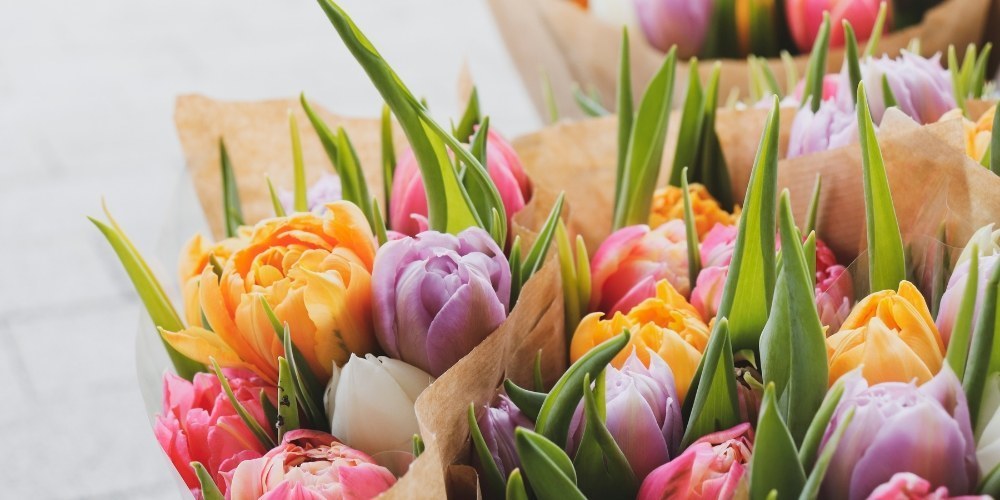
Tulips, peonies, poppies, and ranunculus all have a fleeting vase life–but their popularity hasn’t waned.
Typical Vase Life
- Tulips: 5-7 days
“Tulips keep growing even after being cut,” notes Jasmine. “They’ll twist and stretch in the vase.” - Peonies: 5-7 days (sometimes 8 with cool temps)
- Poppies: 3-5 days
- Ranunculus: 7-10 days
Tips for Getting a Few Extra Days
- Keep water cold and the room cool (60-65°F overnight if possible).
- Use a clean vase and consider a drop of clear soda (for sugar content) in water.
- Remove outer guard petals from peonies and roses to discourage rot.
Troubleshooting: Why Are My Flowers Wilting So Fast?
You followed all the directions but your hydrangeas collapsed or your lilies browned overnight. Here’s what might be happening.
Top Culprits
- Dirty Vase: Even trace bacteria speed up decay.
- Floral foam: Tends to age stems faster than plain water.
- Fruit Nearby: Ripening fruit emits ethylene gas.
- Tap Water Chemistry: High fluoride or chlorine can damage some sensitive species (tulips, lilies). Try filtered water if you’re losing blooms fast.
Emergency Revival Methods
- For wilted hydrangeas: submerge the entire head and stem in cool water for 30-60 minutes.
- For droopy tulips: wrap stems in newspaper, stand them upright in cold water.
- For roses with bent necks: recut stems under water and pop in a deep vase.
“Most flower emergencies can be traced to bacteria or dehydration,” says Torres. “Clean water and fresh cuts fix 80% of issues.”
How Much Should Vase Life Matter When You Buy Flowers?
It depends on the occasion and your expectations. Long-lasting flowers save money if you want a week or more of enjoyment–for example, weekly arrangements from US flower-delivery services like UrbanStems or The Bouqs Co. On the other hand, a short-lived poppy or peony can be incredibly meaningful for a single event or a special, fleeting moment.
How Pricing Affects Vase Life
- Supermarket bouquets (Trader Joe’s, Whole Foods): $10-$25, usually 5-9 days of vase life.
- Florist bouquets: $40-$150+, often longer-lasting due to fresher, better-handled blooms and added preservatives.
Pro Tricks for Maximum Vase Life
Florists use a few tried-and-true tactics to push flowers to their limit.
Store Like a Florist
- Refrigerate overnight (if you have space–ideally 35-40°F).
- Change water daily for fragile flowers like hydrangeas and tulips.
- Always use a clean, sharp knife or shears (not dull scissors that crush stems).
- Strip leaves below the waterline–bacteria thrive on submerged foliage.
Top Floral Preservatives
- Chrysal Professional 2 (used by 75% of US florists in 2026, per SAF industry survey)
- Floralife Crystal Clear
- Home hack: 1 tsp sugar + 1 tsp bleach or clear vinegar per quart of water (not as effective as professional brands, but better than plain water)
FAQ
How do I make cut flowers last longer in a vase?
To maximize vase life, always start with a clean vase and sharp stem cuts. Change the water every other day, remove submerged leaves, and add a commercial floral preservative like Chrysal or Floralife. Keep bouquets away from heat, direct sun, and ripening fruit.
Which flower lasts the longest in a vase?
Chrysanthemums and carnations are top performers, with vase lives commonly reaching two to three weeks under proper care at home. Orchids and alstroemeria are also strong contenders.
Why do my supermarket flowers wilt faster than florist bouquets?
Supermarket flowers are often shipped long distances, stored in less-than-ideal conditions, and may be processed days before reaching shelves. Florist-sourced flowers generally have a shorter supply chain, better handling, and often come with preservatives.
Is it safe to use aspirin, soda, or pennies in flower water?
Some home remedies offer minor benefits, but none match the effectiveness of commercial floral preservatives. Pennies (copper) may have some antibacterial effects but can also be toxic. Soda provides sugar, which feeds flowers but can fuel bacteria growth without a biocide present.
Can cut flowers last longer in the fridge?
Yes–overnight refrigeration at 35-40°F can extend vase life for many flower types, especially roses, tulips, and lilies. Just don’t store with fruit, as ethylene emissions speed up aging.
Looking for longer-lasting joy? Next time you buy a bouquet, ask your florist about their freshest, longest-lived varieties. Or experiment: buy a few different stems, track their vase lives, and find which blooms earn a permanent spot on your table. With a little savvy, your flowers can be more than a fleeting treat–they can be a week (or two) of everyday beauty.