Botanical line drawing for absolute beginners
4 min read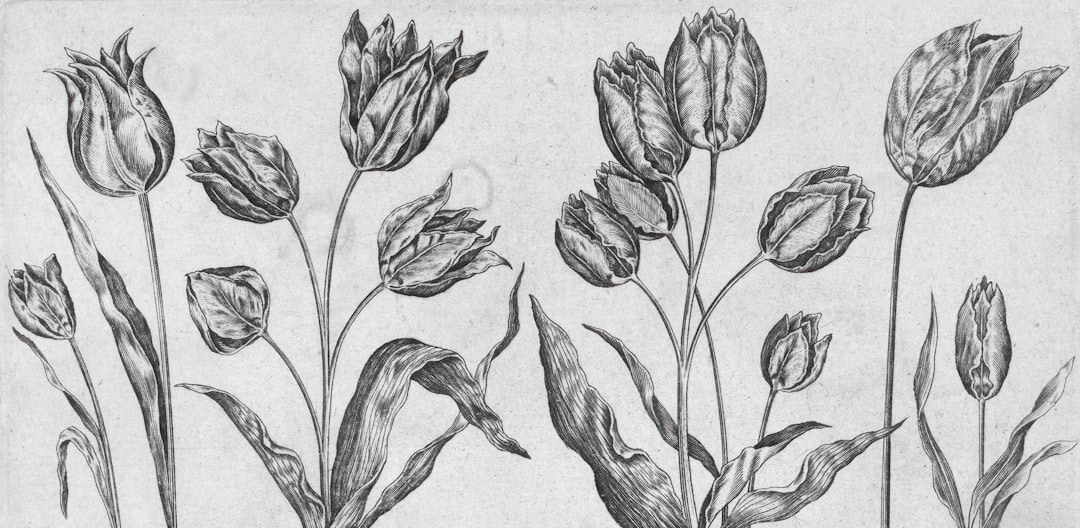
Contents:
- What Is Botanical Line Drawing? (Featured Snippet)
- Why Botanical Line Drawing? The Beauty of Simplicity
- Botanical Line Drawing: What You Need to Start
- Step-by-Step: Draw Your First Flower in 10 Minutes
- Find a Reference
- Start with Basic Shapes
- Add Contours and Details
- Ink Your Drawing
- Erase Pencil Marks
- Line Drawing Techniques for Absolute Beginners
- Continuous Line Drawing
- Blind Contour
- Layering
- Negative Space
- Digital vs. Paper: A Comparison for Modern Beginners
- Real-World Inspiration: Where to Find Flower References
- Local Florists and Flowers
- Online Resources
- Living Inspiration
- Common Roadblocks and How to Get Past Them
- Impostor Syndrome
- Overcomplicating
- Comparing to Pros
- Tips from US Florists: Making Your Botanical Line Drawings Stand Out
- FAQ
- What supplies do I need for botanical line drawing as a beginner?
- Is botanical line drawing easy to learn?
- Can I use digital tools for botanical line drawing?
- What types of flowers are best for beginners to draw?
- How can I find inspiration or references for my drawings?
- Try It Today: Your First Line Drawing Challenge
Botanical Line Drawing for Absolute Beginners
On a sticky note at MoMA’s gift shop in New York, a single peony–drawn with six simple lines–sells for $4.95. Botanical line drawing isn’t stuffy art for galleries. It’s a way for anyone to slow down, notice the secret architecture of leaves and petals, and make something truly personal. American florists like Sarah Girard at Bloom & Vine say doodling stems and blooms “lets you see flowers with fresh eyes–even if all you have is a ballpoint pen and a paper napkin.”
Ready to sketch your first bloom? Here’s what you need, what to expect, and how to fall in love with the gentle world of botanical line art–even if you haven’t picked up a pencil since middle school.
What Is Botanical Line Drawing? (Featured Snippet)
Botanical line drawing is the art of creating simple, accurate outlines of flowers, leaves, and plants using continuous or broken lines–usually in black ink or pencil–with minimal shading or color. This method focuses on the essential shapes and forms of botanical subjects, making it approachable for absolute beginners and popular for journaling, tattoo designs, and modern home decor in the US.
Why Botanical Line Drawing? The Beauty of Simplicity
Anyone can draw a daisy. Really. You don’t need expensive supplies or years of art lessons. Botanical line drawing strips flowers back to their essence–just contour, curves, and negative space.
Why are Americans obsessed?
- Minimalist designs match US interior trends.
- Instagram’s #botanicallinedrawing tag had 1.2 million posts in 2026.
- Line art is beginner-friendly. No color-matching. No blending. Just observation and a steady hand.
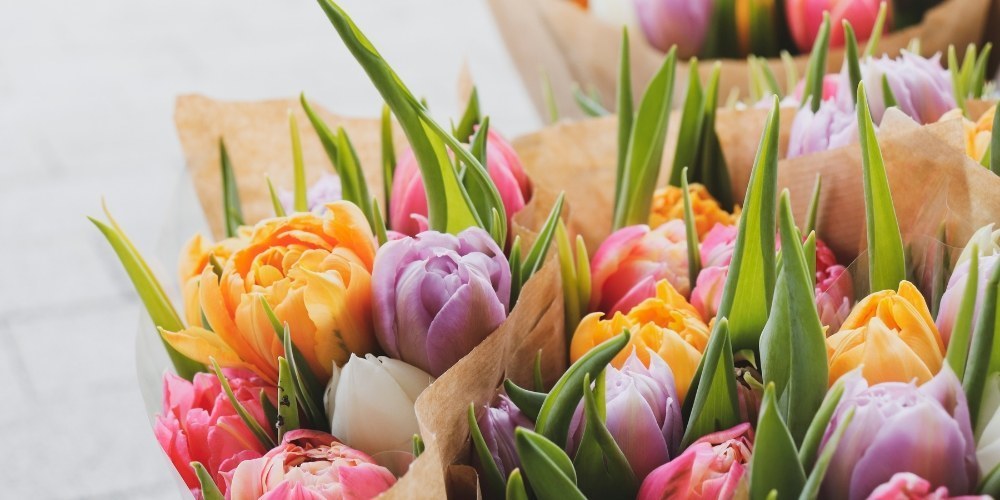
“People crave a creative outlet that isn’t intimidating,” says Chris McKay, lead floral designer at Petal & Ink Studio in San Francisco. “Botanical sketching makes you slow down and actually see that tulip on your table.”
Botanical Line Drawing: What You Need to Start
No need to visit an art store. Most beginners start with household basics. Here’s a quick checklist:
- Pencil: #2 or HB is fine for sketching.
- Eraser: Any soft, white eraser.
- Paper: Printer paper, sketchpads, or even the back of a receipt.
- Black pen: Micron PN, Sakura Pigma, or Pilot G-2 05 (around $2-$3 each).
- Reference: Real flowers, photos, or US-based Pinterest boards.
Optional extras:
- Small ruler (for borders)
- Fine-tip Sharpies for bold lines
- Tracing paper to build confidence
“The best results come from cheap pens and lots of repetition–not fancy materials,” says Danielle Rios, author of Line Drawing Botanicals for Beginners (2026).
Step-by-Step: Draw Your First Flower in 10 Minutes
Break the process down and you’ll see: drawing a flower is no more complicated than sketching a slice of pizza.
1. Find a Reference
Choose a simple flower–try a daisy, tulip, or eucalyptus branch. Fresh bouquets from US florists like UrbanStems (average $55/bouquet in 2026) are perfect for observation, but phone photos work too.
2. Start with Basic Shapes
Lightly pencil an oval for the center and curved lines for petals. No detail yet–just the overall structure.
3. Add Contours and Details
Trace the petal edges, stem, and any leaves. Use a single, unbroken line where possible. Overlap petals for a natural look.
4. Ink Your Drawing
Go over your final lines with a black pen. Vary the pressure to make lines thicker or thinner.
5. Erase Pencil Marks
Once the ink is dry, gently erase leftover pencil. Admire your first botanical masterpiece.
Quick List: First Flowers to Try
- Daisy
- Poppy
- Monstera leaf
- Lavender stalk
- Sunflower head
Line Drawing Techniques for Absolute Beginners
Not every line has to be perfect. In fact, wobbles and quirks make your work unique.
Continuous Line Drawing
Try drawing your flower without lifting your pen from the paper. It forces you to notice every edge and contour.
Blind Contour
Stare at your subject, not your paper. Move your pen as your eyes track the outline of the flower. Results are amusing–and insight-building.
Layering
Draw main outlines first. Go back and add detail lines for veins, petal folds, or seeds. Each layer brings more realism.
Negative Space
Instead of outlining the flower, sketch the space around it. This mind-bender helps train your perception.
Pull-Quote
“Mistakes are just extra petals. No one’s counting,” says McKay.
Digital vs. Paper: A Comparison for Modern Beginners
| Feature | Paper & Pen | iPad/Tablet (Procreate, Adobe Fresco) |
|---|---|---|
| Startup Cost | <$10 | $350+ (iPad + stylus + app fees) |
| Portability | Ultra-portable | Portable, but device-dependent |
| Texture/Feel | Authentic, tactile | Smooth, endless undo/redraw |
| Sharing/Editing | Scan or photograph | Instant export, layers, digital color |
| Learning Curve | Minimal | Steeper; digital brush settings, gestures |
Fact: According to a 2026 poll by Skillshare, 68% of US botanical art beginners prefer starting on paper before experimenting digitally.
Real-World Inspiration: Where to Find Flower References
Getting bored with your kitchen tulips? America offers abundant inspiration, from your backyard to professional arrangements.
Local Florists and Flowers
Floristry studios like Bloom & Wild and Flowerbx US have Instagram feeds full of single-stem portraits. Snap photos of your grocery store bouquet (Trader Joe’s seasonal blooms start at $7.99).
Online Resources
Free reference libraries:
- The Biodiversity Heritage Library (public domain botanical prints)
- US wildflower field guides (mobile apps available)
- Pinterest boards tagged #botanicallinedrawing
- RHS (Royal Horticultural Society) botany diagrams
Living Inspiration
Visit a local botanical garden (NYBG in New York, Longwood Gardens in PA) or join a garden club meetup.
Common Roadblocks and How to Get Past Them
Everyone hits the “my drawing looks nothing like a flower” phase. Here’s how to push through.
Impostor Syndrome
According to Dr. Laura Chen, art therapist at UCLA Health, “Beginners who sketch flowers see a 27% increase in self-reported creativity after just one week.”
Solution: Set a timer for 5 minutes of drawing per day. Progress, not perfection.
Overcomplicating
US Instagram users admit their first attempts “added way too many lines.” Start with fewer petals. Simpler forms are easier on your eye–and less stressful.
Comparing to Pros
Scrolling through flawless botanical line art can be intimidating. Filter your feed to #beginnerlinedrawing and focus on your own growth.
Tips from US Florists: Making Your Botanical Line Drawings Stand Out
- Use US native species–goldenrods, coneflowers, or California poppies–for unique, local flair.
- Vary line thickness. Thin for stems, thick for petal edges.
- Add handwritten notes: date, flower name, where you found it.
- Try repeating motifs for homemade greeting cards or wall art.
- Combine several simple blooms for a “wildflower” arrangement.
“Celebrate each wonky petal–you’re capturing a moment, not perfection,” encourages Danielle Rios.
FAQ
What supplies do I need for botanical line drawing as a beginner?
Start with a pencil, eraser, plain paper, and a black fine-tip pen. Optional supplies include tracing paper and a ruler. No specialized equipment is needed for beginners.
Is botanical line drawing easy to learn?
Yes. Botanical line drawing focuses on simple outlines and is designed to be approachable for beginners, even those with no art background. Practice and observation are more important than talent.
Can I use digital tools for botanical line drawing?
Absolutely. Many beginners in the US use iPads or similar tablets with apps like Procreate, but most start with pen and paper due to lower cost and tactile feel.
What types of flowers are best for beginners to draw?
Start with simple, recognizable shapes: daisies, tulips, poppies, sunflowers, and eucalyptus leaves. These flowers require fewer lines and are forgiving for learners.
How can I find inspiration or references for my drawings?
Use US-based florists’ websites, Pinterest, your own photos of grocery store flowers, public domain botanical prints, or visit local gardens for live sketching opportunities.
Try It Today: Your First Line Drawing Challenge
Find a real or photo reference of a US wildflower–like a California poppy or coneflower. Grab any pen and paper. Set a timer for five minutes. Draw the outlines, even if they wobble. When you finish, date it, and tuck it into a journal. In a month, draw the same flower again. The changes might surprise you.
Botanical line drawing isn’t about copying nature perfectly. In 2026, amidst constant digital noise, it’s about discovering beauty in simplicity–and in your own hand. So go ahead. Draw crooked petals. Show someone. Start your own American botanical line tradition, one flower at a time.