Why brides toss the bouquet – tradition origin
6 min read
Contents:
- Quick Answer: Why Do Brides Toss the Bouquet?
- The Roots: How the Bouquet Toss Began
- Medieval Superstitions and Scrambling Guests
- The Evolution of the Throw
- Why Flowers? Symbolism and Language
- What’s in a Bridal Bouquet?
- The Bouquets’ Double Duty
- How the Bouquet Toss Looks Today
- Modern Takes: Classic, Inclusive, or Skipped Entirely
- Cost and Planning: The Florist’s Perspective
- Bouquet Tosses Around the World
- US vs. Global Traditions
- The Bouquet Toss in Pop Culture
- From Blockbuster Films to Social Media
- Should You Toss the Bouquet? Pros, Cons, and Fun Alternatives
- Reasons to Keep the Toss
- Reasons to Skip
- Fun Alternatives
- FAQ: All About the Bridal Bouquet Toss
- How did the bouquet toss tradition start?
- What happens if you catch the bridal bouquet?
- Do brides always toss their actual bouquet?
- Can the bouquet toss be replaced or customized?
- Is the bouquet toss still popular in 2026?
- What’s Next? Make the Tradition Yours
Why Brides Toss the Bouquet – Tradition Origin
You’re at a summer wedding with twinkle lights and laughter. The newlyweds are all grins. Then the DJ shouts, “Single ladies, to the dance floor!” The bride gathers her flowers, glances back–and sends her bouquet flying into a sea of hopeful hands. Why do brides toss the bouquet at weddings? The answer is tangled in centuries-old superstition, evolving etiquette, and the enduring language of flowers.
Quick Answer: Why Do Brides Toss the Bouquet?
Brides toss the bouquet to symbolize passing on luck in love and happiness.
The tradition began in medieval Europe, when guests believed touching the bride or her clothing brought good fortune–sometimes tearing pieces from her dress! Tossing the bouquet distracted the crowd and let the bride escape intact. Today, it’s a playful ritual where catching the bouquet is said to signal who’ll marry next.
The Roots: How the Bouquet Toss Began
Medieval Superstitions and Scrambling Guests
Imagine a 14th-century English wedding. Back then, single women clamored to touch the bride for a magic dose of marital luck–sometimes pulling at her gown or veil until it ripped. According to Dr. Helen Fitzgerald, historian and author of Flower Rituals in Western Europe, “Bouquets became a decoy, an offering to channel the mayhem away from the bride herself” (Fitzgerald, 2023).
The Evolution of the Throw
By the Victorian age, the bouquet toss was standard. Instead of clothing scraps, brides flung their floral bundle over their shoulder. The ritual migrated to the US in the late 1800s and bloomed into a high-energy highlight at receptions by the 1930s. Today, over 75% of American weddings include some version of the bouquet toss, according to The Knot’s 2026 Real Weddings Study.
Why Flowers? Symbolism and Language
What’s in a Bridal Bouquet?
Flowers have always spoken volumes. In medieval times, herbs like rosemary and garlic were bundled into bouquets for good luck and protection. By the 19th century, the “language of flowers” took hold. For example:
- Roses: Love and passion
- Lily of the valley: Purity and happiness
- Ivy: Fidelity
- Baby’s breath: Everlasting love
“Florals aren’t just beautiful–every petal tells a story,” says Danielle Alvarez, lead designer at Chicago’s Fleurish Studio.
The Bouquets’ Double Duty
Aside from symbolism, bouquets kept hands occupied and nervousness at bay. Once the bouquet toss ritual began, it doubled as:
- A distraction from rowdy guests
- A source of luck for singles
- A chance for dramatic, candid photos
“Back in the day, my grandmother’s friends would argue over who caught the bouquet–because they really believed it meant marriage within the year.”
–Carla Mitchell, San Francisco bride, married 1962
How the Bouquet Toss Looks Today
Modern Takes: Classic, Inclusive, or Skipped Entirely
The American wedding landscape is diverse and ever-evolving. In 2026, here’s what the bouquet toss might look like:
- Classic Toss: Bride gathers all singles, tosses the bouquet over her shoulder–cue screams and laughter.
- Inclusive Toss: Some couples invite anyone who wants “good luck,” not just single women.
- No Toss: Others skip it, donating flowers or replacing the tradition with something new (like a “bouquet presentation” to honor a grandmother).
- Multiple Bouquets: Some florists create “breakaway bouquets” that separate mid-air, spreading luck far and wide.
Cost and Planning: The Florist’s Perspective
According to the 2026 National Florist Survey, the average American bridal bouquet costs $150-$350. Some brides order a smaller, matching “toss bouquet” (often $25-$75) from popular US florists like Teleflora or UrbanStems to preserve their main blooms.
| Bouquet Option | Average Cost (USD) | Best For |
|---|---|---|
| Full Bridal Bouquet | $150-$350 | Ceremony & Photos |
| Toss Bouquet | $25-$75 | Reception Toss, Keepsake |
| Breakaway Bouquet | $50-$100 | Multiple Winners, Group Toss |
Bouquet Tosses Around the World
US vs. Global Traditions
The bouquet toss is mostly a US and Western Europe phenomenon. Here’s how it stacks up globally:
- France: Similar toss, but sometimes includes a “ribbon pull” cake (one ribbon is tied to a faux wedding ring).
- Mexico: The “La Vibora de la Mar” dance involves the bride holding her bouquet as guests link arms beneath.
- Japan: Some weddings feature a plush toy toss instead of flowers–practical and adorable.
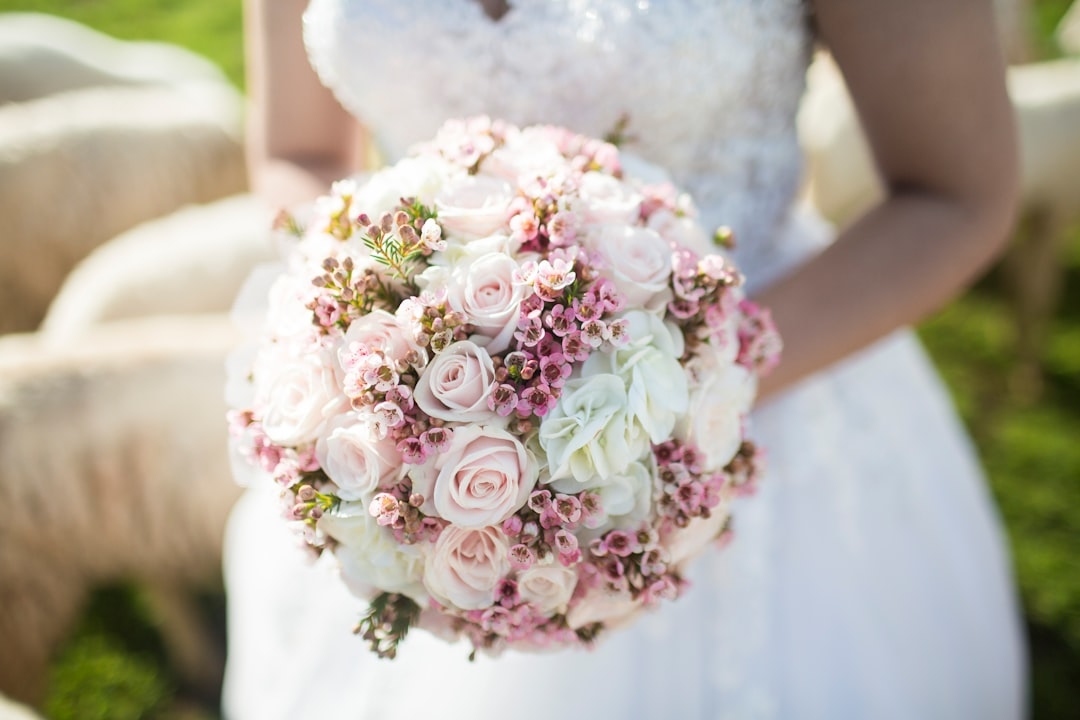
More American couples are adapting, mixing cultural customs or skipping the toss altogether. According to NY-based planner Jason LeBlanc (LeBlanc Events), “A third of our 2026 couples opt for a more personal or meaningful ritual instead.”
The Bouquet Toss in Pop Culture
From Blockbuster Films to Social Media
Think of iconic movie moments–from 27 Dresses to Bridesmaids–that cement the bouquet toss as peak wedding comedy. On Instagram and TikTok, “bouquet toss fails” and creative alternatives (like fake-outs and surprise tosses to a beloved grandma) rack up millions of views every wedding season.
Popular US hashtags:
- #BouquetToss (1.2M posts)
- #WeddingTraditions
- #BridalBouquet
Should You Toss the Bouquet? Pros, Cons, and Fun Alternatives
Reasons to Keep the Toss
- High-energy photo opportunity
- Lightens the mood
- Honors tradition–older guests may expect it
Reasons to Skip
- Can feel outdated or exclusionary
- Not everyone wants the spotlight
- Some brides want to save or preserve their bouquet
Fun Alternatives
- Flower “pass”: Bride gives the bouquet to a friend or family member who’s been especially supportive.
- Anniversary dance: Last couple dancing (longest-married guests) receives the bouquet.
- Charity bouquet: Donate the wedding flowers to a hospital or nursing home via services like Repeat Roses (NYC/LA).
FAQ: All About the Bridal Bouquet Toss
How did the bouquet toss tradition start?
The bouquet toss dates back to medieval England, where guests believed touching the bride or her dress brought good luck. To avoid being mobbed, brides began tossing their bouquet to distract guests and quickly exit the scene. It later evolved into the fun ritual seen at modern weddings.
What happens if you catch the bridal bouquet?
Tradition says the person who catches the bouquet will be the next to marry. While this isn’t scientifically proven, it’s a fun part of the wedding for many guests–and often leads to great stories and photo ops.
Do brides always toss their actual bouquet?
Many brides now use a separate “toss bouquet” resembling the real one, so they can preserve the original for keepsakes or drying. Toss bouquets are smaller and less expensive, perfect for withstanding a flying leap.
Can the bouquet toss be replaced or customized?
Absolutely! Many American couples personalize the tradition or skip it. Alternatives include giving the bouquet to a special person, sharing mini bouquets, or organizing a non-competitive dance or game.
Is the bouquet toss still popular in 2026?
Yes, but its popularity is shifting. According to The Knot’s 2026 study, around 60% of US weddings include a bouquet toss, though more couples are adapting or modernizing the ritual to fit their values and guest list.
What’s Next? Make the Tradition Yours
Choosing to toss the bouquet (or not) says something about your ceremony–and you. Want your wedding to echo tradition, or start a new one? Connect with a local florist like UrbanStems or a bespoke boutique in your city. Ask about toss bouquet options or creative alternatives. Whatever you pick, let your flowers speak your story in 2026.