Everything you need to know about hibiscus
6 min read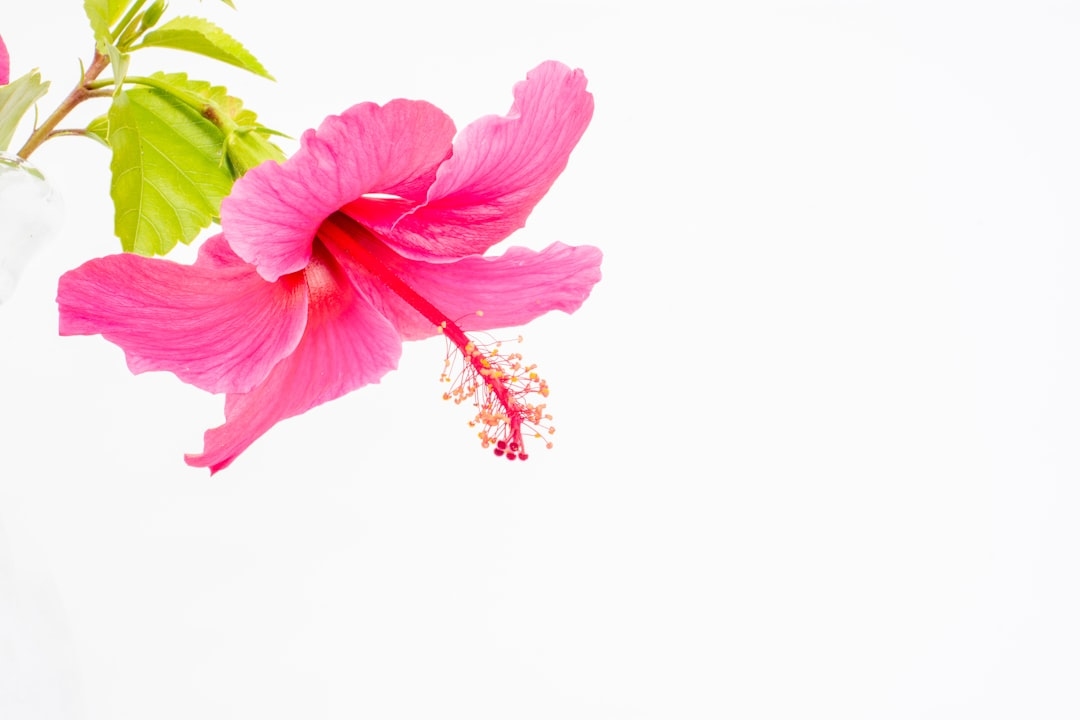
Contents:
- Quick Facts: What is Hibiscus?
- The Hibiscus Flower: Botanical Beauty & Symbolism
- Anatomy of a Statement Flower
- The Language of Hibiscus
- How to Grow Hibiscus (Outdoors & Indoors)
- Outdoor Hibiscus Care
- Indoor Hibiscus: Houseplant Happiness
- Common Problems & Pests
- Hibiscus in Floristry: From Bouquets to Wearables
- Using Hibiscus in Arrangements
- Comparing Hibiscus to Other Popular Flowers
- Edible Hibiscus: From Teas to Tacos
- Hibiscus Tea: Health Meets Flavor
- Beyond the Cup: Hibiscus in Food
- Buying Hibiscus: Plants, Flowers, and Products in the US
- Where to Buy
- How to Select Healthy Hibiscus
- The Future of Hibiscus: Trends in 2026
- New Hybrids and Eco-Friendly Floristry
- Wellness, Beauty, and Sustainability
- FAQ: Hibiscus in 2026
- What is the lifespan of a hibiscus flower?
- Can I grow hibiscus indoors in the US?
- Is hibiscus safe to eat or drink?
- How can I keep hibiscus blooming all season?
- Are hibiscus flowers pet-safe?
Everything You Need to Know About Hibiscus
On a steamy July afternoon in New Orleans, the air might be heavy, but a burst of bright red hibiscus flowers along a picket fence will steal the show. These tropical stunners aren’t just eye candy or the secret behind your favorite hibiscus tea–they’re a horticultural powerhouse, equally at home in Southern gardens, California patios, and modern wellness shops.
This guide gets personal with hibiscus. You’ll learn exactly what makes these blooms unique, how to grow and use them, and why florists and gardeners alike can’t get enough in 2026.
Quick Facts: What is Hibiscus?
Hibiscus is a genus of flowering plants–over 200 species!–known for their huge, colorful blossoms and popularity in home gardens, bouquets, and wellness products. Most common in the US: Hibiscus rosa-sinensis (Chinese hibiscus), Hibiscus syriacus (Rose of Sharon), and Hibiscus sabdariffa (Roselle, used for tea). Hibiscus grows well outdoors in USDA Zones 5-11, with flowers that range from snowy white to fiery orange to deep magenta. The blooms typically last for one day each but continue to appear for months in warm climates. Many species are edible, high in antioxidants, and attract pollinators like hummingbirds and butterflies.
The Hibiscus Flower: Botanical Beauty & Symbolism
Anatomy of a Statement Flower
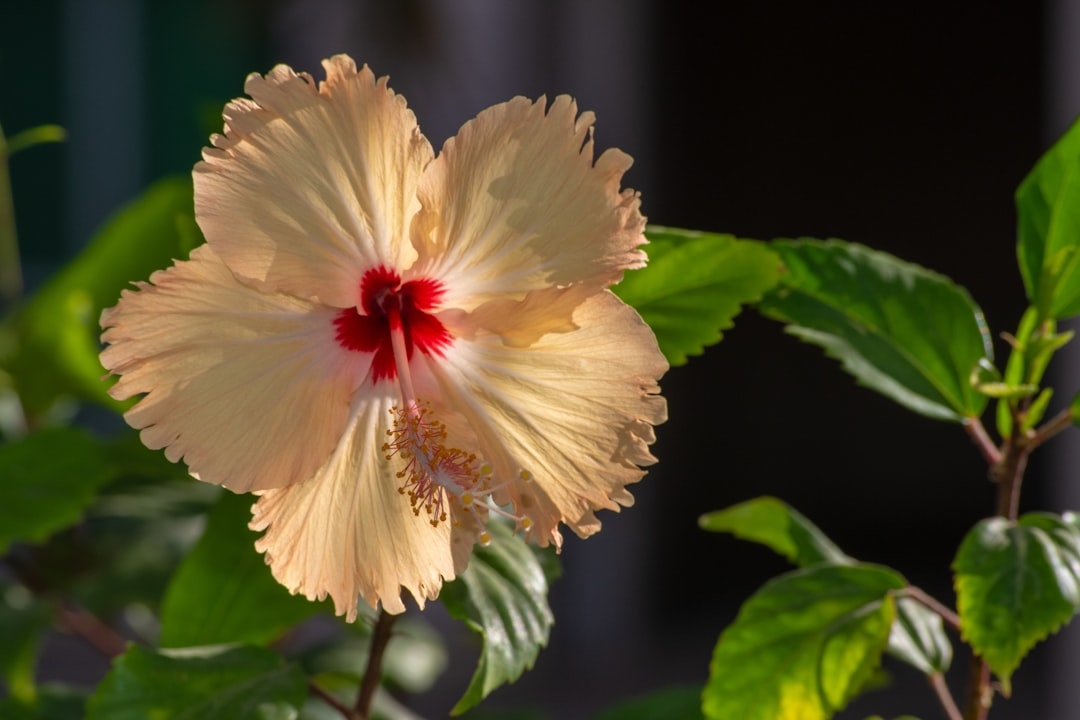
A single hibiscus blossom can reach up to 10 inches across–think the size of a salad plate. Five broad petals radiate from a proud central staminal column, their edges often ruffled. The colors dazzle: from the classic lipstick red to lemon yellow, lavender, or even near-black hybrids like ‘Midnight Marvel.’
- Common US Varieties and Colors:
- H. rosa-sinensis: Bold reds, oranges, pinks (tropical, houseplant favorite)
- H. syriacus (Rose of Sharon): Pastel blues, white, purple (hardy, shrub-like)
- H. moscheutos (Swamp Hibiscus): Huge, dinner-plate flowers, native to eastern US
Local florists like Olivia Ramos, AIFD-certified designer at Atlanta’s Bloom Theory, say, “Hibiscus is hands-down the most dramatic cut flower for summer arrangements. Clients want that hint of tropical vacation in their living rooms.”
The Language of Hibiscus
In many cultures, hibiscus stands for delicate beauty or even fleeting romance–mirroring the bloom’s one-day lifespan. In Hawaii, wearing a hibiscus flower behind the right ear means you’re single; left ear, taken. In South Korea, the hibiscus syriacus is the national flower symbolizing immortality.
How to Grow Hibiscus (Outdoors & Indoors)
Outdoor Hibiscus Care
USDA Zones & Site Selection:
- Tropical hibiscus (H. rosa-sinensis): Zones 9-11, best in FL, TX, southern CA, HI
- Hardy hibiscus (H. syriacus, H. moscheutos): Zones 5-9, handles Midwest winters
Planting Tips:
- Full sun (6+ hrs/day)
- Well-drained soil rich in organic matter
- Space plants 3-5 feet apart for airflow
Water & Fertilizer:
- Deep watering 1-2x per week, especially in summer
- Balanced, slow-release fertilizer in spring–look for N-P-K ratios like 10-10-10
Horticulturist Dr. Lauren Chu, author of Tropical Perennials for the American Garden (2024), notes: “Hibiscus thrives on routine–they need oxygenated roots and regular deadheading for maximum bloom.”
Indoor Hibiscus: Houseplant Happiness
- Choose dwarf varieties (look for ‘Petite Orange’ or ‘Bonsai Red’)
- Place near a sunny south- or west-facing window
- Humidity: 50%+, mist leaves or use a pebble tray
- Prune lightly after blooms fade for a compact bush
Common Problems & Pests
| Problem | Symptom | Solution |
|---|---|---|
| Aphids | Sticky residue, deformed leaves | Neem oil, ladybugs |
| Yellow leaves | Overwatering, poor drainage | Adjust watering |
| No blooms | Not enough sun, old stems | Move plant, prune |
Hibiscus in Floristry: From Bouquets to Wearables
Using Hibiscus in Arrangements
Hibiscus may not be as long-lived as hydrangeas, but their impact is unmatched. Their short vase life (12-36 hours for most cut blooms) means they’re best for events or same-day delivery. Florists often wire blossoms into crowns, corsages, or as bold statement flowers in centerpieces. Hibiscus pairs beautifully with monstera leaves, orchids, and anthuriums for that lush, island-inspired vibe.
Quick List: Where Hibiscus Shines in US Floristry
- Tropical wedding bouquets
- Graduation leis (especially in Hawaii)
- Summer event centerpieces
- Edible flower arrangements (with roselle calyces)
“You can’t overstate the drama of a neon-pink hibiscus in a bridal bouquet. It’s instant joy,” says Brooklyn-based florist Jamie Nguyen, owner of Flora & Fable.
Comparing Hibiscus to Other Popular Flowers
| Flower | Vase Life (Days) | Symbolism | Common Uses |
|---|---|---|---|
| Hibiscus | 1-2 | Beauty, joy | Bouquets, leis |
| Rose | 5-7 | Love, passion | Everything |
| Orchid | 14-21 | Luxury, beauty | Modern bouquets |
| Sunflower | 6-12 | Adoration | Summer events |
| Peony | 3-7 | Prosperity | Weddings, gifts |
Edible Hibiscus: From Teas to Tacos
Hibiscus Tea: Health Meets Flavor
If you’ve sipped “agua de Jamaica” at a Mexican restaurant, you’ve tasted hibiscus! Roselle (Hibiscus sabdariffa) calyces are the key ingredient–tart, cranberry-like, and loaded with vitamin C, anthocyanins, and plant polyphenols. US sales of hibiscus-based teas topped $138 million in 2025 (according to Global Wellness Beverages Report), with brands like Republic of Tea, Traditional Medicinals, and Tazo offering blends.
Potential Benefits (as cited by the Mayo Clinic, 2025):
- May support healthy blood pressure levels
- Rich in antioxidants
- Caffeine-free, hydrating
Beyond the Cup: Hibiscus in Food
- Dried hibiscus petals in chutneys, salads, or tacos (great plant-based ‘pulled meat’)
- Hibiscus syrup in cocktails like the “Hibiscus Margarita”
- Garnish for cakes or summer desserts
Food stylist Angela Hammond, winner of the 2024 James Beard Best Pastry Chef award, notes:
“Hibiscus petals are my secret to naturally vibrant frosting and tart, floral flavors.”
Buying Hibiscus: Plants, Flowers, and Products in the US
Where to Buy
- Live hibiscus plants: Local nurseries like Armstrong Garden Centers (CA), Pike Nurseries (GA), or online at Logee’s, Amazon, and Home Depot (expect to pay $15-$50 for healthy 2-3 gallon plants in 2026)
- Cut flowers: Available in summer through top florists or flower delivery services like UrbanStems, FTD, or The Bouqs Co. Prices range $7-$12/stem due to delicacy.
- Hibiscus tea and foods: Specialty grocers (Whole Foods, Sprouts), Latin American markets, online from Republic of Tea or Tadin.
How to Select Healthy Hibiscus
- Look for deep green leaves, no yellowing or wilting
- Buds should be plentiful, not shriveled
- Avoid rootbound or pot-locked plants–ask to check the roots if possible
The Future of Hibiscus: Trends in 2026
New Hybrids and Eco-Friendly Floristry
Breeders in 2026 are introducing more cold-tolerant hybrids–look for brands like Proven Winners (“Summerific” series) touting gigantic blooms for northern gardens, and Ball Seed’s compact patio varieties. Eco-conscious florists highlight hibiscus for “bee-friendly” arrangements, as these blooms are beloved by pollinators.
Wellness, Beauty, and Sustainability
Demand for hibiscus-based skincare (look for antioxidant serums) and low-sugar hibiscus drinks is up 23% in US markets since 2024 (Brightfield Group). Many local designers now grow their own hibiscus, reducing flower “air miles” in American events.
FAQ: Hibiscus in 2026
What is the lifespan of a hibiscus flower?
Most hibiscus flowers last for a single day, but the plant continues to produce new blooms throughout the growing season (spring to fall in the US).
Can I grow hibiscus indoors in the US?
Yes, dwarf and tropical hibiscus varieties can thrive indoors with plenty of sunlight and proper humidity. Choose a sunny window and keep the soil consistently moist but not soggy.
Is hibiscus safe to eat or drink?
Absolutely–certain species, especially Hibiscus sabdariffa, are used in teas and foods. Always confirm the hibiscus type before consuming, and avoid plants treated with pesticides.
How can I keep hibiscus blooming all season?
Regular deadheading (removing spent flowers), monthly feeding with balanced fertilizer, and ensuring full sun exposure will encourage repeat blooms from late spring through fall.
Are hibiscus flowers pet-safe?
Hibiscus is generally non-toxic to dogs and cats, but eating large quantities may cause mild digestive upset. Always monitor pets around houseplants and consult your veterinarian if concerned.
Planning a garden update, a summer party, or your next wellness fix? Try adding hibiscus–whether it’s a patio plant, a vibrant bouquet, or a cup of tart tea–to your lineup this year. You’ll get bold color, pollinator appeal, and perhaps a little touch of the tropics, no passport required.