Everything you need to know about carnations
6 min read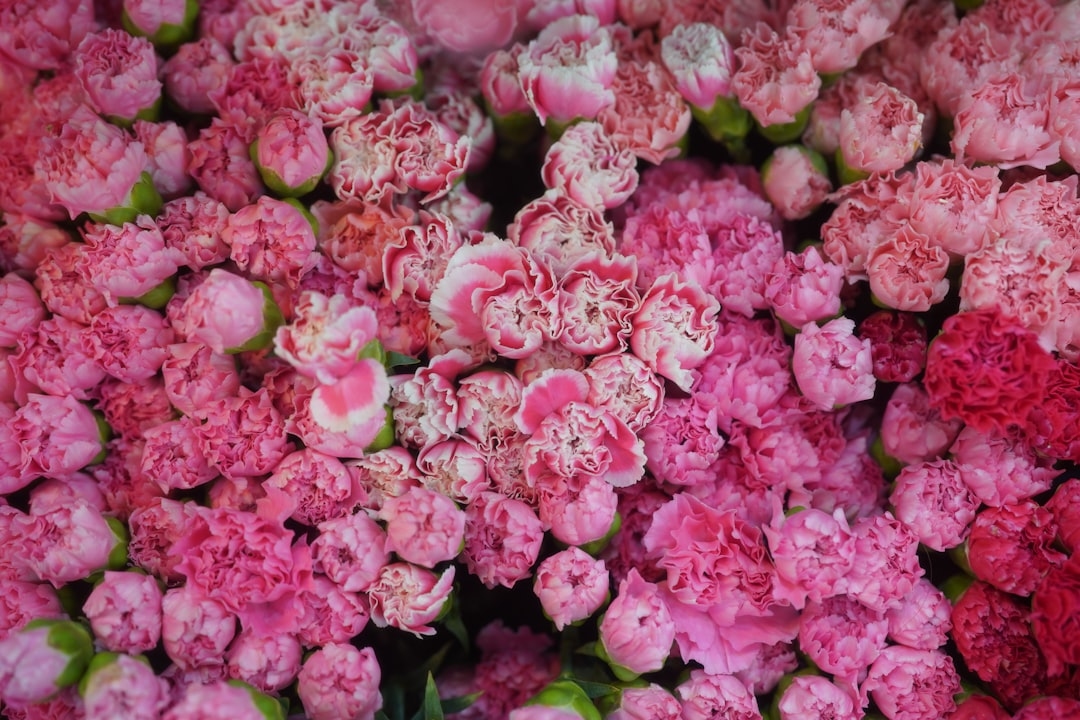
Contents:
- Quick Facts: Carnations at a Glance
- A Brief History of Carnations
- From Ancient Rituals to Modern Day
- Symbolism and Meaning
- Varieties and Colors: More Than Meets the Eye
- Main Types of Carnations
- Color Innovations & Dyeing
- Why Carnations Are Florist Favorites
- Impressive Vase Life
- Budget-Friendly Beauty
- Versatility and Design
- Carnations in American Culture
- Holidays & Occasions
- Pop Culture & Trivia
- How to Care for Cut Carnations
- Making Your Blooms Last
- Expert Care Tips
- Growing Carnations at Home
- Garden or Container Planting
- Starting from Seed
- Common Challenges
- FAQ: Carnations in 2026
- What do carnations symbolize in the US?
- How long do cut carnations last?
- Are carnations safe for pets?
- Are carnations expensive?
- Can I grow carnations indoors?
- Ready to Rethink Carnations?
Everything You Need to Know About Carnations
Valentine’s Day 2026. Grocery store checkout lines are packed with hurried shoppers, and one flower dominates the buckets near the register: the carnation. Not just a budget-friendly classic, but a bloom with a fascinating past, surprising versatility, and a starring role far beyond high school prom corsages. Carnations–sometimes called “the people’s flower”–have quietly shaped US floristry and still outsell lilies and gerbera daisies, year after year.
Quick Facts: Carnations at a Glance
What are carnations?
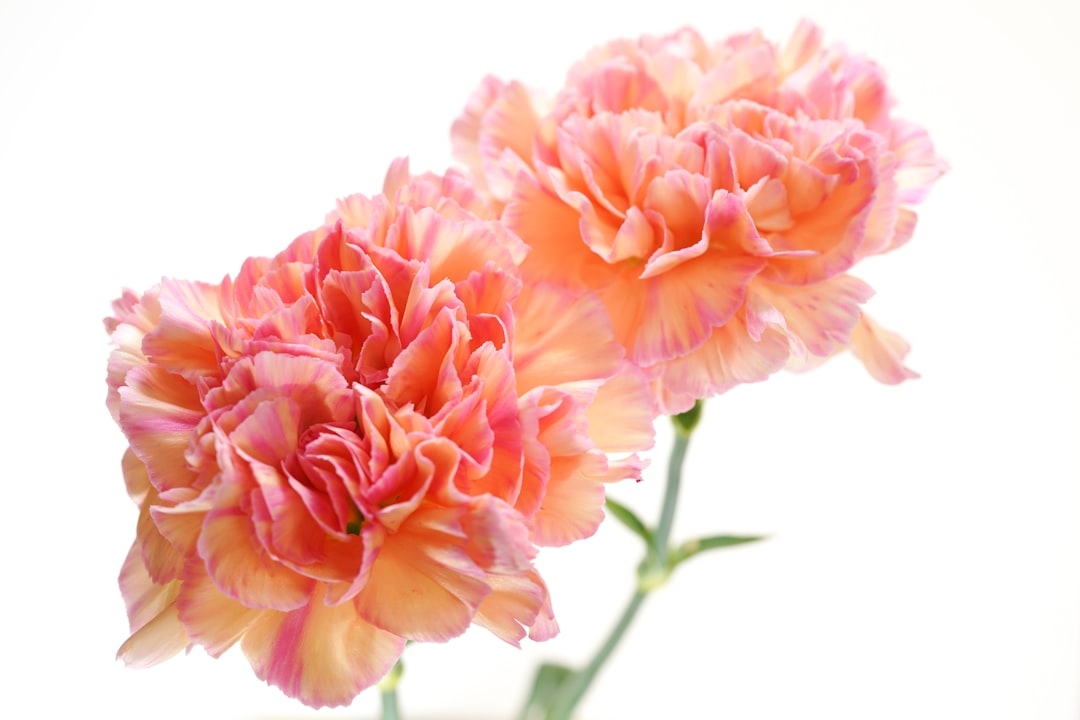
Carnations (genus Dianthus) are long-lasting, frilled flowers available in nearly every color. They’re used in bouquets, boutonnieres, and arrangements for all occasions. Known for their spicy-sweet scent and affordable price (usually $1-$3 per stem at US florists in 2026), they symbolize affection, remembrance, and luck.
Key highlights:
- Scientific name: Dianthus caryophyllus
- Origin: Mediterranean region
- Common colors: Pink, red, white, yellow, purple, green, bi-color
- Bloom time (US): Year-round; peak in spring
- Average vase life: 12-21 days
- Typical price (US): $10-$40 per dozen (fresh), $1-$3 per stem, 2026 pricing
- Popular for: Mother’s Day, weddings, remembrance, everyday bouquets
A Brief History of Carnations
From Ancient Rituals to Modern Day
Carnations have roots as old as Roman mythology. Legend claims that the first red carnation sprang from the tears of the Virgin Mary–a symbol of motherly love that endures in American Mother’s Day bouquets each May. Their Latin name, Dianthus, means “flower of the gods,” first dubbed by Greek botanist Theophrastus over two millennia ago.
Spanish colonists brought carnations to North America in the 1600s, but it wasn’t until the late 1800s that US growers in Colorado and California popularized them as hothouse crops. By 1920, Denver claimed the title of “Carnation Capital of the World.” Even today, the city celebrates with an annual Carnation Festival.
Symbolism and Meaning
- Pink carnation: Mother’s undying love (official flower of Mother’s Day in the US)
- Red carnation: Admiration, affection
- White carnation: Good luck, pure love, remembrance
- Purple carnation: Capriciousness, change
- Yellow carnation: Disappointment, rejection (less common in the US for gifts)
Florists like Jenna Harper, AIFD Certified (Portland, OR), report, “Pink and white are the perennial US bestsellers–especially in spring and summer wedding work.”
Varieties and Colors: More Than Meets the Eye
Main Types of Carnations
Carnations aren’t a one-flower-fits-all affair. You’ll often see:
- Standard Carnations: Large, single blooms on long stems (common for bouquets)
- Spray Carnations (Mini Carns): Several smaller blooms per stem (popular for arrangements and corsages)
- Dwarf/Border Carnations: Compact, garden-friendly types, rarely sold as cut flowers in the US
Popular Cultivars in US Shops
| Cultivar Name | Description | Typical Use |
|---|---|---|
| ‘White Sim’ | Classic white, ruffled | Sympathy, weddings |
| ‘Domingo’ | Deep red, long vase life | Romance, events |
| ‘Chabaud Mix’ | Various pastel shades | Garden, cut flowers |
| ‘Green Trick’ | Mossy, ball-shaped green | Modern bouquets |
| ‘Moon Series’ | Lavender/purple hues | Trendy arrangements |
Color Innovations & Dyeing
American growers have mastered the art of dyeing carnations–creating blue, turquoise, or even rainbow blooms for proms, sports events, or pride parades. In 2026, demand for unique colors has soared, with brands like Florigene® commercializing genetically modified blue and violet carnations available year-round.
Why Carnations Are Florist Favorites
Impressive Vase Life
According to a 2026 study by the American Society of Florists, fresh carnations last an average of 12-21 days in a vase–beating roses (5-10 days) and tulips (7-9 days). This longevity, combined with sturdy stems, makes them a mainstay for both everyday bouquets and event work.
“If I need an arrangement to look perfect for a week or more, I reach for carnations every time,” says Luis Martinez, head designer at Bloom & Vine, Austin TX.
Budget-Friendly Beauty
Prices have stayed remarkably stable, even with inflation. As of 2026, a dozen premium carnations from 1-800-Flowers or UrbanStems typically run $25-$40, compared to $60+ for roses. Bulk event pricing (weddings, church displays) may fall below $1 per stem from wholesalers like FiftyFlowers.
Versatility and Design
Carnations pair well with almost any flower. Their ruffled heads add texture to mixed bouquets. Mini-carns fill out corsages and boutonnieres, while green varieties make a bold, modern statement at corporate events.
Common design combos in US floristry (2026 trends):
- For romance: Red carnations with baby’s breath and eucalyptus
- For sympathy: White carnations, lilies, and ferns
- For birthdays: Pink mini-carns, sunflowers, and daisies
- For on-trend events: Green ‘Trick’ carnations with succulents and geometric vases
Carnations in American Culture
Holidays & Occasions
- Mother’s Day: More pink and white carnations are sold than any other flower, according to Teleflora. In 2026, US sales topped 24 million stems for the holiday alone.
- Graduations: Red and white carnation leis are a classic in West Coast high schools.
- Remembrance: White carnations are worn or laid for Memorial Day and funerals.
- Weddings: Modern couples opt for pastel, blush, and even rainbow-dyed varieties in bouquets and table arrangements.
- Prom & Homecoming: Mini-carnations remain a budget staple in corsages and boutonnieres.
Pop Culture & Trivia
- Ohio’s State Flower: Scarlet carnation since 1904 (a tribute to President William McKinley).
- NFL Super Bowl Tradition: The winning team often receives a congratulatory bouquet featuring red and white carnations.
- Iconic Appearances: The 2024 Barbie movie’s “Dreamhouse” set famously featured pink carnation arrangements, briefly causing a national shortage.
How to Care for Cut Carnations
Making Your Blooms Last
- Trim the Stems: Cut ½ inch off each stem at a 45-degree angle under water.
- Strip Leaves: Remove any leaves below the water line to prevent rot.
- Clean Vase: Use hot, soapy water and rinse thoroughly.
- Change Water: Every 2-3 days, add fresh water with a floral preservative.
- Avoid Heat & Drafts: Place vases away from direct sunlight, fruit bowls, and air vents.
Expert Care Tips
- Remove spent blooms: This encourages unopened buds to last longer.
- Floral food: Essential–boosts vase life up to 30%, per Dr. Emily Cho, PhD, Floriculture Science, Cornell University.
- Chlorine trick: Adding a single drop of bleach per quart of water helps prevent bacteria.
Growing Carnations at Home
Garden or Container Planting
- Zones: USDA zones 5-9 are ideal for perennials; annuals can be grown nationwide.
- Sunlight: At least 6 hours of direct sun daily.
- Soil: Well-drained, slightly alkaline (pH 6.7-7.2).
- Water: Moderate; avoid soggy soil.
Starting from Seed
- Sow indoors 8-10 weeks before the last frost.
- Transplant young plants after danger of frost has passed.
Common Challenges
- Pests: Aphids and thrips can be an issue; organic sprays help.
- Disease: Avoid overhead watering to prevent stem rot (Fusarium, a common US fungus).
- Leggy growth: Pinch back stems to promote bushiness.
FAQ: Carnations in 2026
What do carnations symbolize in the US?
Carnations in the US symbolize love, admiration, and remembrance. Pink carnations represent a mother’s love, while red means admiration and white stands for pure love and good luck.
How long do cut carnations last?
Cut carnations last 12-21 days with proper care, making them one of the longest-lasting cut flowers available in the US market in 2026.
Are carnations safe for pets?
Carnations are mildly toxic to cats and dogs if ingested, potentially causing mild stomach upset. Keep arrangements out of reach of curious pets.
Are carnations expensive?
No, carnations are considered affordable. In 2026, a dozen fresh stems at most US florists cost between $10 and $40, making them budget-friendly compared to roses or peonies.
Can I grow carnations indoors?
Yes, dwarf and mini-carnation varieties can be grown in containers indoors with plenty of sunlight. Standard types do best outdoors or in sunrooms.
Ready to Rethink Carnations?
Next time you’re ordering flowers–whether for Mother’s Day, a wedding, or “just because”–look beyond the ordinary. Ask your local florist for what’s new in cultivars or try a bold, dyed variety for a modern twist. Or, if you’re feeling adventurous, grab a packet of seeds this spring and see why carnations have captivated American gardeners for centuries. The world’s most underrated flower is still full of surprises if you know where to look.