Why Peonies Became the Most Desired Luxury Flowers
5 min read
Contents:
- The Real Reasons Peonies Command Premium Prices
- Peonies vs. Roses: The Comparison That Actually Matters
- When Peonies Are Worth It — and When They’re Not
- Seasonal Calendar: When to Buy Peonies in the U.S.
- The Verdict
In 1868, the French botanist Victor Lemoine crossbred two peony species and spent the next three decades producing varieties so extraordinary that European aristocrats reportedly sent representatives to his Nancy nursery just to secure early cuttings. Lemoine named his finest creation ‘Sarah Bernhardt’ after the most famous actress of the age — because he felt nothing less than a celebrity name could do the bloom justice. That pairing of theatrical beauty and deliberate scarcity set the template for how peonies would be perceived for the next 150 years: rare, refined, worth chasing.
So are peonies actually worth the premium today, or is the luxury label pure marketing? The honest answer is: mostly yes — but only if you buy at the right time and know what you’re comparing against.
The Real Reasons Peonies Command Premium Prices
Several factors stack on top of each other to justify peony prices in the current market.
Compressed seasonality. Domestic U.S. peony production peaks between late April and early June — a roughly six-week window. Outside that period, stems are imported from Chile, New Zealand, or Australia, adding air freight costs that get passed directly to the buyer. You’re not paying for a luxury label; you’re paying for logistics.
Long grow-out time. Peony plants require three to five years from initial planting before producing commercially viable blooms. That multi-year capital commitment before any harvest revenue is embedded in every stem price, even during peak season. Compare that to roses, which can be harvested within months of planting in a greenhouse environment.
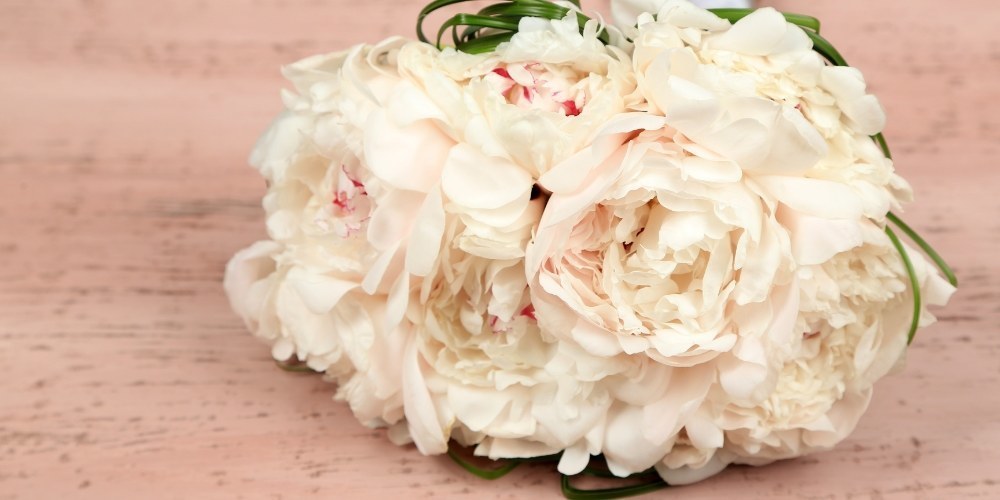
Volume per stem. A single mature peony head can span 4 to 7 inches across with 30 to 100+ petals. The visual mass of one peony frequently equals three or four standard rose blooms. On a cost-per-visual-impact basis, a well-priced peony flower bouquet often beats a rose arrangement of equivalent presence at a lower total spend.
Fragrance and finish. Top peony varieties carry a distinctive, layered scent that rose breeding programs have largely traded away in favor of shelf life and uniform coloring. For buyers who want a bouquet that fills a room rather than just sits on a table, peonies deliver something roses increasingly can’t.
Buy peonies at the “marshmallow stage” — when the bud is fully formed and soft to the touch but shows no open color yet. At this stage, you control when they open by adjusting temperature: warm room speeds opening, cool room (55–60°F) slows it. Professionals order stems three to four days early and stagger their storage temperatures to time the peak bloom precisely for the event. Buying already-open peonies from a retailer means you’re inheriting someone else’s timeline.
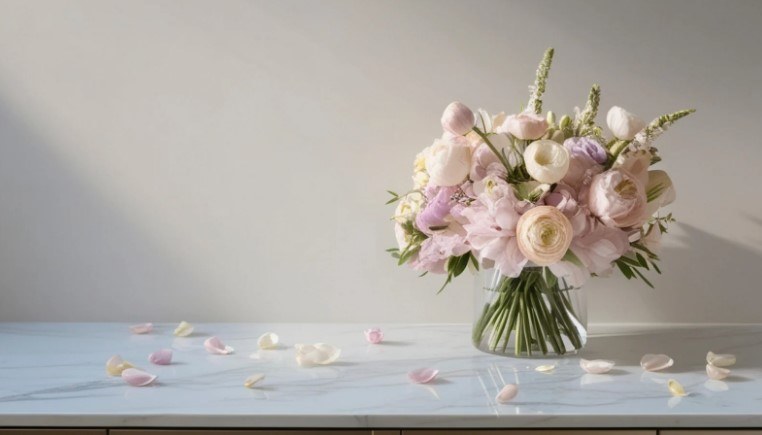
Peonies vs. Roses: The Comparison That Actually Matters
Most buyers pit peonies against roses because both occupy the “romantic statement flower” category. Here’s a straight comparison across the dimensions that affect your purchase decision.
- Availability: Roses are available year-round from greenhouse operations. Peonies are seasonal (domestic) or expensive (off-season imports). Roses win on availability.
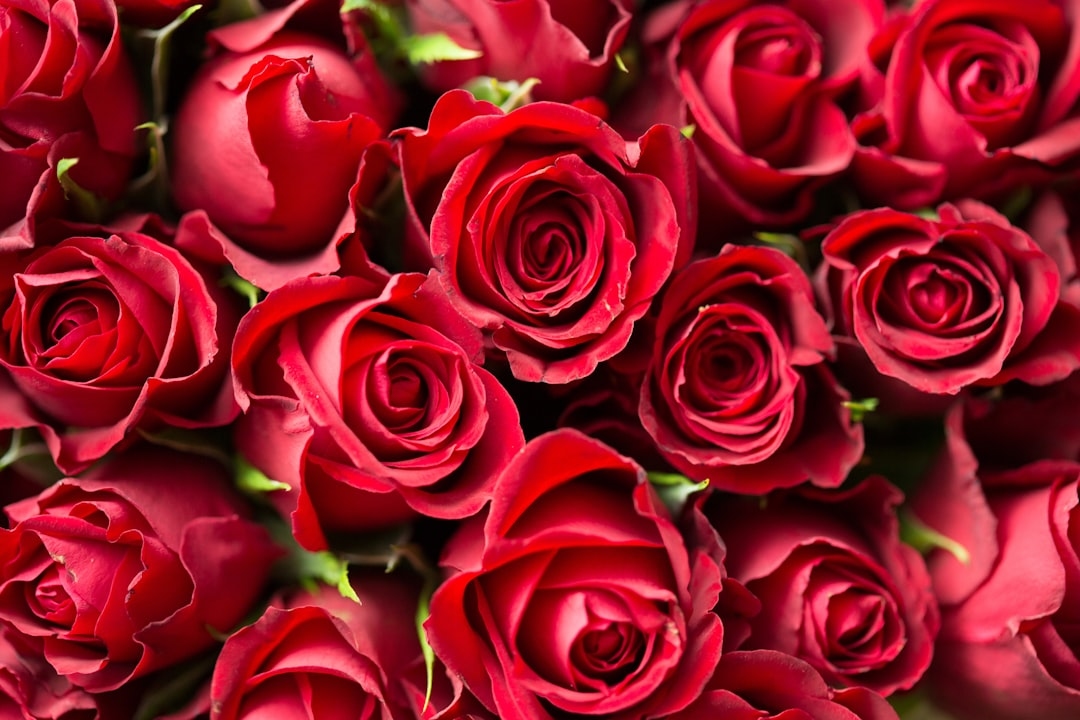
- Vase life: Quality roses last 7 to 12 days with proper care. Peonies last 5 to 7 days. Roses win on longevity.
- Visual impact per stem: Peonies win decisively. One peony bloom does the work of multiple rose heads in any arrangement.
- Scent: Heritage and garden rose varieties can be fragrant, but most commercially grown roses have minimal scent. Peonies — particularly ‘Sarah Bernhardt’ and ‘Festiva Maxima’ — carry strong, natural fragrance. Peonies win on scent.
- Cost per stem: In season, peony stems typically run $3–$8 wholesale and $8–$18 retail. Premium long-stem roses run $4–$12 wholesale and $10–$20 retail. Comparable on cost per stem, but peonies deliver more bloom mass per dollar.
For buyers who want something genuinely different from the rose-dominated mainstream, exotic alternatives like anthuriums offer a completely different visual vocabulary — bold, architectural, and exceptionally long-lasting. See the full range at https://thescarletflower.com/collections/anthuriums-bouquet.
When Peonies Are Worth It — and When They’re Not
Worth it: Spring events (weddings, Mother’s Day, graduation parties) where you’re buying domestic stems at peak supply. Occasions where scent and visual drama are both priorities. Buyers who want one focal flower to anchor a minimal arrangement rather than a complex mixed bouquet.
Not worth it: Last-minute orders in July through January, when off-season import pricing makes every stem 30–60% more expensive for the same quality. Events outdoors in summer heat, where peony vase life shortens significantly. Buyers who need flowers to last ten days or more — roses or anthuriums are the practical choice in that case.
Seasonal Calendar: When to Buy Peonies in the U.S.
- April (late) — June (early): Peak domestic season. Best prices, best selection, best quality. Buy now.
- June (mid) — August: Domestic supply fades. Imports begin. Prices rise 20–40%. Acceptable quality if you’re flexible on variety.
- September — November: Southern Hemisphere supplies (Chile, New Zealand). Reliable quality, highest import premium. Buy only if peonies are non-negotiable.
- December — March: Lowest availability, highest prices. Consider alternatives unless working with a florist who has established import relationships.
A reputable flower delivery service in Los Angeles will tell you exactly which growing region your stems are sourcing from at any given time of year — that transparency is a good sign you’re working with someone who takes product quality seriously.
The Verdict

Peonies earned their luxury status through genuine biological constraints, not branding. The short season, the long grow-out, the exacting handling requirements, and the sheer visual payoff per stem all justify a premium over commodity flowers. Buy them in season from a florist who sources carefully, treat them right at home, and they’ll deliver value that justifies every dollar. Push against the calendar or skip proper care, and you’ll be disappointed — not because peonies are overrated, but because you paid peak prices for a suboptimal product.
Know the season. Know your varieties. Buy from someone who knows the difference between a marshmallow bud and a blown bloom. That’s all the sophistication you actually need to get the luxury result you’re after.