Freeze-drying flowers at home explained
5 min read
Contents:
- Quick Answer: How To Freeze-dry Flowers At Home
- Why Freeze-drying? The Science and Benefits
- What You Need: Supplies and Setup for Home Freeze-drying
- Choosing a Freeze-dryer
- Accessories and Supplies
- Step-by-Step: How to Freeze-dry Flowers at Home
- Clean and Trim
- Pre-freeze
- Arrange on Freeze-dryer Trays
- Set the Machine
- Check and Remove
- Store Safely
- Freeze-drying Flowers: Costs, Time, and Troubleshooting
- How Much Does It Really Cost?
- Common Mistakes and How to Fix Them
- When To Call A Pro
- Creative Uses for Freeze-dried Flowers
- Keepsakes & Decor
- Crafting & Gifting
- Business Idea: Sell Freeze-dried Florals
- FAQs About Freeze-drying Flowers at Home
- What flowers freeze-dry best?
- How long do freeze-dried flowers last?
- Can I freeze-dry flowers without a machine?
- Are freeze-dried flowers safe for food use?
- How do I keep freeze-dried flowers from fading?
Freeze-drying Flowers at Home Explained
On a bookshelf, a rose from your wedding sits perfectly preserved–velvet-soft, blush red, holding every petal like it bloomed this morning. Unlike pressed or air-dried flowers, freeze-dried blooms last for years, keeping their shape and color. In 2026, with countertop freeze-dryers under $2,500 and DIY kits popping up on Instagram shops, home florists from Brooklyn to Boise are transforming special bouquets into lasting keepsakes. Turns out, freeze-drying flowers isn’t just for fancy professional studios anymore.
Quick Answer: How To Freeze-dry Flowers At Home
Freeze-drying flowers at home means freezing them solid, then using a freeze-dryer (like Harvest Right or Labconco) to remove moisture in a vacuum, preserving natural color and texture for years.
Basic steps:
- Pre-freeze clean flowers at -20°F overnight.
- Place flowers on trays inside the freeze-dryer, spaced apart.
- Set the machine to flower-friendly settings (about 24-36 hours on “fresh” cycle).
- Store dried blooms in airtight containers away from sunlight.
Expect equipment costs from $2,000-$3,000 in 2026, but one load can preserve dozens of blooms for gifts, décor, or resale.
Why Freeze-drying? The Science and Benefits
Freeze-drying–technically called lyophilization–removes water by turning ice directly into vapor (sublimation), instead of melting like air-drying does. This gentle process means:
- Original color stays: Scientific studies (see “Preservation Science in Horticulture,” Dr. Lina Garcia, UC Davis, 2025) show freeze-dried petals retain 80-95% of their natural pigment.
- Shape is preserved: Unlike pressing, which flattens, or silica gel, which can cause curling, freeze-dried flowers look almost fresh.
- Longer lifespan: Properly stored, these flowers last 3-7 years, compared to 1-2 years for air-dried.
“Freeze-drying is the gold standard for preserving high-value bouquets, especially for sentimental keepsakes,” says Melissa Ortega, owner of Forever Blooms Studio, Austin, TX.
| Preservation Method | Color Retention | Shape Retention | Average Lifespan | Cost/Batch (2026) |
|---|---|---|---|---|
| Freeze-drying | Excellent | Excellent | 3-7 years | $50-$80* |
| Silica Gel Drying | Good | Good | 1-2 years | $15-$25 |
| Air Drying | Fair | Poor | 6 months-1 year | Negligible |
| Pressing | Fair | Flat Only | 2-5 years | $5-$10 |
*Not including machine amortization.
What You Need: Supplies and Setup for Home Freeze-drying
Choosing a Freeze-dryer
Home models, like Harvest Right Medium Home Freeze Dryer ($2,195 USD in 2026) or the Labconco Benchtop ($2,899), are compact enough for laundry rooms or garages.
- Capacity: 7-10 trays, fits up to 40-50 small roses per batch.
- Electricity: 110V standard outlet, draws about 900 watts.
Accessories and Supplies
- Flower prep tools: Snippers, tweezers, soft brushes
- Vacuum sealer: For long-term storage
- Desiccant packs: For storing dried blooms
- Gloves: To prevent oils from your hands staining delicate petals
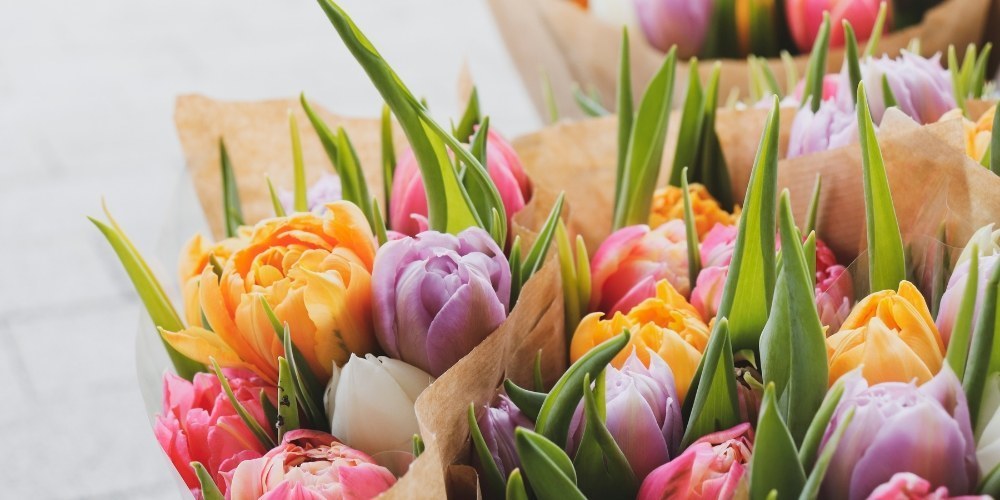
Pro tip: Freeze-drying is best for sturdy flowers–roses, orchids, chrysanthemums. Succulents, peonies, and tulips don’t freeze-dry as well and can collapse during the process.
Step-by-Step: How to Freeze-dry Flowers at Home
1. Clean and Trim
Remove pollen, dust, and any damaged petals with a soft brush. Trim stems to desired length (6″ or less works best for most freeze-dryers). For bouquets, gently loosen stems so blooms aren’t crowded.
2. Pre-freeze
Place flowers on lined trays in your kitchen freezer at -20°F (-29°C) for at least 12 hours. This prevents ice crystals from enlarging and damaging petal texture.
3. Arrange on Freeze-dryer Trays
Space flowers apart so air circulates. Heads-up: Overcrowding = uneven drying.
4. Set the Machine
Most home freeze-dryers have a “Fresh/Flowers” preset–if not, set to 24-36 hours, vacuum at 100-150 mTorr. Keep temperature steady below 40°F (4°C).
5. Check and Remove
Flowers should feel dry and paper-light. If not, add 4-6 more hours.
Let cool before handling; petals are delicate after drying.
6. Store Safely

Use airtight containers with a silica desiccant. Keep away from heat and direct sun. Vacuum-sealing is best for long-term storage–think wedding memory boxes or shadow frames.
<blockquote>
“Home freeze-drying saved my wedding bouquet–and gave me ten mini arrangements for family gifts,” says Tara Benson, a floral hobbyist in Raleigh, NC.
</blockquote>
Freeze-drying Flowers: Costs, Time, and Troubleshooting
How Much Does It Really Cost?
- Equipment: $2,000-$3,000 upfront
- Supplies: $30-$60 per batch (trays, bags, desiccants)
- Electricity: About $2 per 24-hour cycle (U.S. national average, 2026)
- Time: 1-2 days per batch, plus prep and cooldown
Common Mistakes and How to Fix Them
- Petals turning brown: Pre-freezing not cold/long enough–ensure your freezer is at least -20°F.
- Flowers collapsing: Stems too soft or water-heavy (try partial drying in air before freezing).
- Uneven drying: Crowded trays or very large blooms–cut large flowers in half or dry in separate cycles.
When To Call A Pro
Some memories are best left to experts. Companies like The Bouqs Co. Preserves (LA), FloraFreeze NYC, or local wedding florists now offer mail-in freeze-drying, starting at $150 for a small bouquet.
Creative Uses for Freeze-dried Flowers
Keepsakes & Decor
- Wedding bouquets in shadow boxes
- Graduation corsages preserved for gifts
- DIY wreaths and photo frames
Crafting & Gifting
- Resin jewelry with real freeze-dried petals
- Homemade potpourri blends
- Custom arrangements for everlasting centerpieces
Business Idea: Sell Freeze-dried Florals
With demand up (Etsy reported a 47% YoY increase in freeze-dried bouquet listings in early 2026), small-scale home freeze-drying is a new side hustle for flower lovers.
FAQs About Freeze-drying Flowers at Home
What flowers freeze-dry best?
Sturdy blooms like roses, carnations, chrysanthemums, orchids, and baby’s breath work best. Fragile or high-moisture flowers, like tulips and succulents, may not hold up.
How long do freeze-dried flowers last?
When stored out of direct sunlight and sealed from moisture, freeze-dried flowers keep their color and shape for 3-7 years. They may eventually fade, but much more slowly than air-dried blooms.
Can I freeze-dry flowers without a machine?
True freeze-drying requires specialized equipment. Alternative methods like silica gel or air drying don’t produce the same results in color and structure.
Are freeze-dried flowers safe for food use?
Only if you use food-safe flowers and keep the equipment spotlessly clean! Many home freeze-dryers process both foods and florals, so clean trays and chambers thoroughly before edible batches.
How do I keep freeze-dried flowers from fading?
Store them away from heat, humidity, and sunlight. Use UV-protective glass for display, and add a silica desiccant pack if you’re boxing them up.
Thinking about giving freeze-drying a try? Start with a single batch of grocery store roses to practice. If you fall in love with the results, you’ll have the know-how to preserve every milestone–from prom night to retirement bouquets–and maybe even launch your own mini freeze-dried florals business by next summer. Your memories, beautifully kept, are just a cycle or two away.