Regenerative flower farming explained
6 min read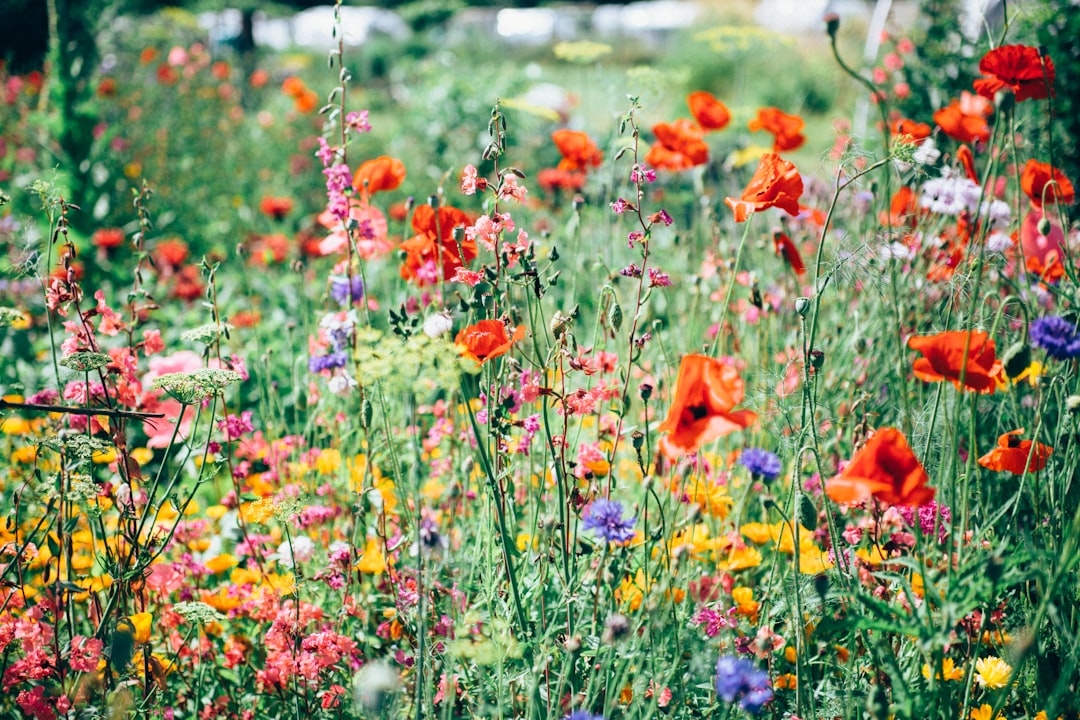
Contents:
- What Is Regenerative Flower Farming? (Direct Answer)
- Why Regenerative Flower Farming Matters
- How Does Regenerative Growing Differ from Organic or Conventional?
- Key Principles of Regenerative Flower Farming
- No/Low Tillage
- Cover Cropping & Crop Rotation
- Composting & Mulching
- Biodiversity & Native Plants
- Water Conservation
- Real Regenerative Farms & What They Grow
- Tiny Hearts Farm (Hudson Valley, NY)
- Harmony Harvest Farm (Weyers Cave, VA)
- Full Belly Farm (Capay Valley, CA)
- Are Regenerative Flowers Better for Florists and Consumers?
- Vase Life and Quality
- Scent and Unusual Varieties
- Safer for Workers
- Can Regenerative Flower Farming Scale Nationally?
- Pullquote
- FAQ: Regenerative Flower Farming
- What flowers are easiest to grow regeneratively in the US?
- Are regenerative flowers more expensive?
- Can I find regenerative flowers near me?
- How can florists source regenerative flowers?
- Do regenerative flowers have a lower carbon footprint?
- What Can You Do? (Actionable Ending)
Regenerative Flower Farming Explained
At a flower stall at the Union Square Greenmarket in New York City, you might spot bunches of zinnias labeled “grown without chemicals, pollinator friendly, builds soil.” They’re not just marketing buzzwords. Across the US, a quiet revolution is happening in floriculture–a shift from extractive practices to something known as regenerative flower farming. It’s changing what ends up in our vases, and how those blooms treat the earth.
What Is Regenerative Flower Farming? (Direct Answer)
Regenerative flower farming is a holistic approach to growing flowers that improves soil health, increases biodiversity, and builds ecosystem resilience–rather than simply sustaining or depleting resources. Unlike conventional or even organic floriculture, regenerative methods work with nature: using cover crops, compost, crop rotation, minimal tillage, and other techniques to restore soil, support pollinators, sequester carbon, and reduce chemical use.
The goal is not just to minimize harm, but to leave the land better than it was found.
Why Regenerative Flower Farming Matters
Americans buy over $8 billion worth of cut flowers each year, with roughly 80% imported–mainly from Colombia and Ecuador (USDA, 2024). Most of these are grown with heavy doses of pesticides, synthetic fertilizers, and energy-intensive transport. According to Dr. Elise Stinson, soil ecologist and co-founder of Wild Roots Farm in Oregon, “A single imported rose can have a larger carbon footprint than a locally grown head of lettuce, when you account for flights, refrigeration, and chemical treatments.”
Regenerative flower farms in the US are working to flip that script. By farming with nature, they:
- Reduce reliance on fossil fuels and chemical inputs
- Create habitat for bees, butterflies, and beneficial insects
- Hold more water in the soil, making farms resilient to droughts
- Absorb more carbon, helping offset climate change
Who is doing this? Farms like Tiny Hearts Farm (Hudson Valley, NY), Harmony Harvest Farm (VA), and Full Belly Farm (CA) are leading examples, each with a loyal following at local markets and through US-wide bouquet delivery subscriptions.
How Does Regenerative Growing Differ from Organic or Conventional?
Let’s break it down:
| Practice | Conventional Flower Farming | Organic Flower Farming | Regenerative Flower Farming |
|---|---|---|---|
| Chemical Inputs | Heavy use; pesticides, herbicides, synthetic fertilizer | Discouraged; only permitted organic inputs | Emphasizes zero or minimal inputs, builds natural fertility |
| Soil Management | Tillage depletes soil, mono-cropping | Some crop rotation, minimal till | Cover cropping, compost, no/low-till, living roots year-round |
| Biodiversity | Low; single crop fields | Moderate; some plant diversity | High; attracts pollinators, incorporates native plants |
| Focus | High output, visual quality | Avoid harmful chemicals | Restore ecosystem, long-term resilience, local economy |
| Carbon Emissions | High: flown, refrigerated, chemical | Moderate | Lowest: local, carbon sequestering, low energy use |
“Organic certification is a good step, but it doesn’t require rebuilding soil or supporting pollinators,” says Chelsea Harz, regenerative flower grower and instructor at the Seattle Flower School. “Regenerative farmers are thinking long term–how to pass on healthier land.”
Key Principles of Regenerative Flower Farming
No/Low Tillage
Regular tilling breaks up soil structure and disrupts beneficial microbes. Regenerative farms often use broadforks or shallow tilling, or plant directly into compost-rich beds. Studies from the Rodale Institute report that no-till fields can store up to 2.7 tons more carbon per acre per year than tilled ones.
Cover Cropping & Crop Rotation
Instead of bare soil in winter, these farms sow rye, clover, or vetch to build organic matter and fix nitrogen. Rotating flower crops also helps prevent disease buildup–a big issue in conventional rose and lily fields.
Composting & Mulching
Regenerative growers invest heavily in compost, often making their own from farm waste and local sources. Mulches suppress weeds, retain moisture, and feed the soil as they break down. Harmony Harvest Farm increased their organic matter from 2% to 6% in five years by layering homemade compost.
Biodiversity & Native Plants
Interplanting–mixing sunflowers with herbs, wildflowers, and buckwheat–brings in pollinators and natural pest control. Some farms reserve up to 20% of their fields for wild habitat strips.
“You can hear the difference in a regenerative field–songbirds, buzzing bees, frogs. The whole place feels alive.”–Lena Cruz, owner of Meadow & Moss Flower Co., Pennsylvania
Water Conservation
By building rich, sponge-like soil, regenerative flower farms can use up to 40% less irrigation water than conventional counterparts (University of California, 2025).
Real Regenerative Farms & What They Grow
Tiny Hearts Farm (Hudson Valley, NY)
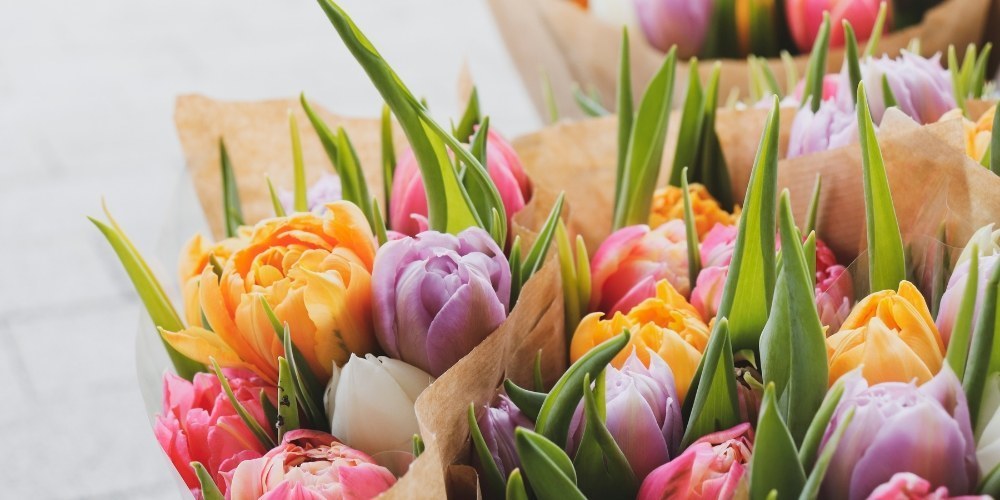
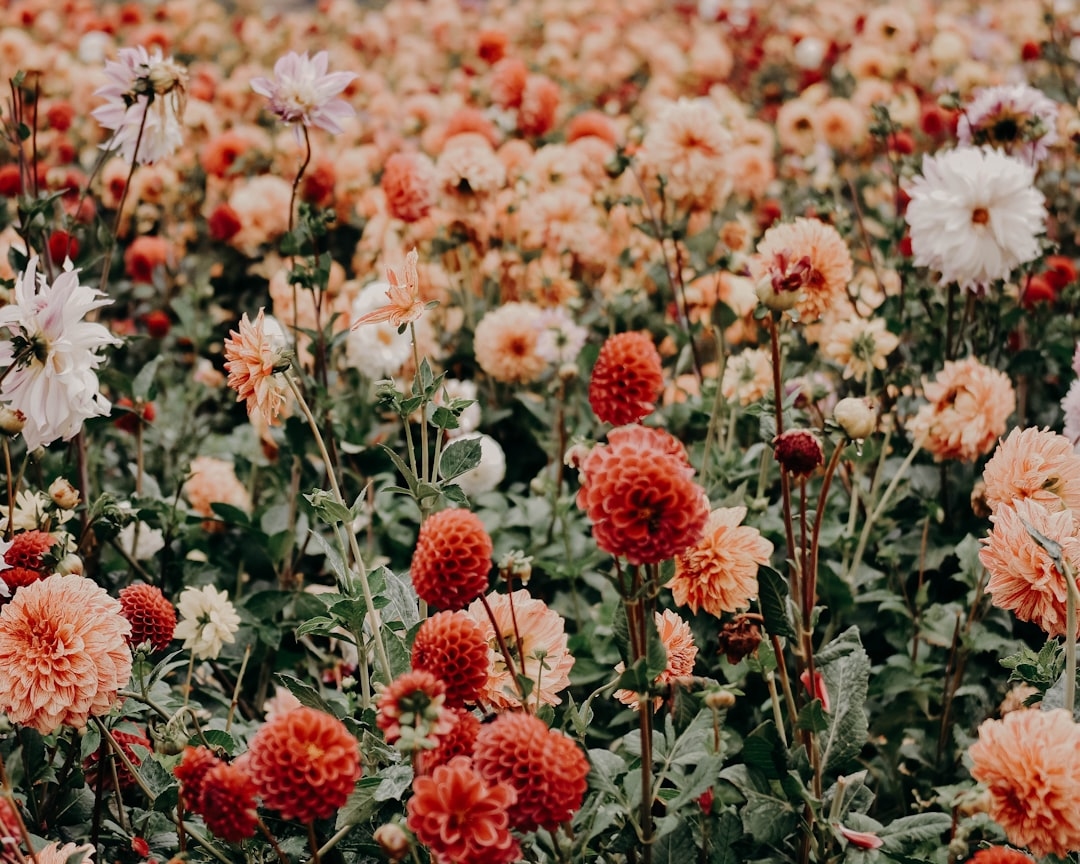
- Offers over 100 seasonal varieties: dahlias, ranunculus, tulips, and heirloom daffodils.
- Sells bouquets at NYC farmers markets for $25-$40, also offers flower CSA subscriptions.
- “We don’t ship long distance. We want flowers that last in the vase and are grown in a way that gives back,” says co-owner Jenny Elliot.
Harmony Harvest Farm (Weyers Cave, VA)
- Delivers “regenerative bouquets” nationwide via FedEx, $55-$79.
- Employs soil-building techniques and integrates sheep grazing for natural fertilization.
Full Belly Farm (Capay Valley, CA)
- Cultivates flowers alongside organic veggies and fruits; uses solar panels to offset energy use.
- Holds annual flower workshops focused on pollinator education and soil health.
Are Regenerative Flowers Better for Florists and Consumers?
Vase Life and Quality
Regeneratively grown flowers don’t just rival imported blooms–they often last longer. “Because they skip chemical preservatives and get to customers faster, our bouquets look fresher for a week or more,” says Mia Johnson, lead designer at LA’s Petal & Stem Studio.
Scent and Unusual Varieties
Many imported blooms are bred for long-distance shipping, not fragrance or unique form. Local regenerative growers can offer scented sweet peas, garden roses, or rare native wildflowers that simply wouldn’t survive the journey from Ecuador or Kenya.
Safer for Workers
According to a 2023 report from the University of Washington, workers on US regenerative farms have significantly lower rates of pesticide exposure and respiratory issues compared to imported flower handlers.
Can Regenerative Flower Farming Scale Nationally?
The US market is shifting. In 2019, only about 5% of American flowers were grown domestically. By 2026, that number is edging towards 15%, fueled partly by consumer demand for “slow flowers” and climate-friendly purchases.
Challenges:
- Regenerative flowers are often a few dollars more per bouquet, due to labor and local growing costs.
- Lack of federal regenerative certification; most farms rely on transparency, third-party verifications, or open field days.
- Seasonal variety: Not every flower is available year-round, especially outside states like California or Florida.
Opportunities:
- Big-name retailers like UrbanStems and The Bouqs Co. now partner with US-based, regenerative or no-spray farms.
- Florists and event planners market “sustainable weddings,” with fully traceable florals.
Pullquote
“People are asking where their flowers come from–just like they do with food. Regenerative flower farming is about beauty that’s grounded in stewardship.”
–Dr. Elise Stinson, Wild Roots Farm
FAQ: Regenerative Flower Farming
What flowers are easiest to grow regeneratively in the US?
Dahlias, zinnias, sunflowers, cosmos, snapdragons, amaranth, and native wildflowers like black-eyed Susans and asters are popular. They thrive in many US climates, require fewer chemical inputs, and support pollinators.
Are regenerative flowers more expensive?
Typically, yes–expect to pay $5-$20 more per bouquet compared to supermarket imports. The higher price reflects living wages, eco-friendly practices, and local freshness.
Can I find regenerative flowers near me?
Search for local flower farms at sites like LocalHarvest.org, the Slow Flowers directory, or by visiting area farmers markets. Ask for specifics about growing practices–not all local farms are regenerative.
How can florists source regenerative flowers?
Build relationships with local growers, join buyer co-ops, or use wholesale platforms like RootedFarmers.com that list sustainable US farms. Some regional flower collectives now offer delivery for events and retail shops.
Do regenerative flowers have a lower carbon footprint?
Yes. USDA data from 2025 shows domestically grown, in-season flowers have a carbon footprint up to 80% less than imported, refrigerated blooms. Regenerative farms further offset by sequestering carbon in soil.
What Can You Do? (Actionable Ending)
Choosing flowers isn’t just about color and scent–it’s a vote for how land is cared for. Next time you buy a bouquet, look for those “regeneratively grown” labels, ask your florist about their sourcing, or even try planting a pollinator patch at home. The movement is gathering momentum across the US, and with every bunch, we get closer to fields that are blooming with life for generations to come.