What is the slow flower movement
7 min read
Contents:
- Quick Answer: What is the Slow Flower Movement?
- How the Slow Flower Movement Began
- Pull-Quote
- What Makes Slow Flowers Different?
- Not Just Flowers–A Whole Philosophy
- Why More Americans Are Choosing Slow Flowers in 2026
- Sustainability Concerns
- Local Economies
- Unique, Personalized Bouquets
- How to Find and Buy Slow Flowers in the US
- Local Flower Farms
- Local Florists–Not Just Wire Services
- Farmers Markets
- Direct-Delivery Services
- Slow Flowers in Weddings and Special Occasions
- How It Works
- DIY Events
- Challenges and Critiques
- Limited Year-Round Availability
- Higher Price (for Now)
- Education and Awareness
- The Future of the Slow Flower Movement in the US
- FAQs about the Slow Flower Movement
- What does “slow flowers” mean?
- Are slow flowers more expensive than regular flowers?
- Where can I buy slow flowers in the US?
- Can I get slow flowers year-round?
- How do I know my florist uses slow flowers?
- Want to Support the Slow Flower Movement? Start Here
What is the Slow Flower Movement?
Picture the typical Valentine’s bouquet: roses flown in overnight from Ecuador, wrapped in plastic, sold for triple the price at a chain grocery. Now, imagine a handful of wild peonies, clipped just that morning by a local grower, stems still damp with dew, their scent hinting at the field they came from. That’s the slow flower movement in action–a world away from the standard “fast flower” pipeline. And in 2026, it’s changing how Americans think about beauty, sustainability, and what it means to support local.
Quick Answer: What is the Slow Flower Movement?
The slow flower movement champions locally grown, seasonal flowers over imported, mass-produced stems. Inspired by the principles of the slow food movement, slow flowers are cultivated by small farms, often using sustainable, organic practices. Bouquets are arranged by local florists or even the growers themselves, reflecting the natural rhythm of what’s blooming nearby–not what’s available on a cargo jet from across the globe.
How the Slow Flower Movement Began
The seeds of the slow flower movement were sown in the early 2010s, but its roots go deeper. Debra Prinzing, a Seattle-based garden writer, coined the term “Slow Flowers” in 2013 with her book Slow Flowers: Four Seasons of Locally Grown Bouquets from Garden, Meadow and Farm. But the movement itself was a response to a startling statistic: by 2020, nearly 80% of all cut flowers sold in the US were imported, mostly from Colombia and Ecuador (USDA Floriculture Crops Report).
The impact? Imported flowers are often grown with heavy pesticides (some banned in the US), are picked before peak bloom, and may take up to ten days to reach your vase. That means less fragrance, shorter vase life, and a whopping carbon footprint.
Local flower growers, meanwhile, were fading fast–squeezed by cheap imports and changing consumer habits. The slow flower movement became a rallying cry to revive America’s flower farms, support small-scale growers, and reconnect customers with the true richness of what grows close to home.
Pull-Quote
“Slow flowers aren’t just prettier–they’re a vote for the world you want to live in.”
– Hazel Carter, owner of Hazel’s Garden, Vermont
What Makes Slow Flowers Different?
At first glance, a bouquet is just a bouquet. But there are key differences between slow flowers and traditional, imported blooms. Here’s a look:
| Aspect | Slow Flowers | Conventional/Imported Flowers |
|---|---|---|
| Origin | Grown locally, usually within 100 miles | Typically imported (Ecuador, Colombia, Kenya) |
| Seasonality | Always seasonal, varies by region & month | Available year-round, regardless of local season |
| Farming Practices | Often organic/sustainable, low-pesticide | Heavily sprayed, often non-organic |
| Supply Chain | Direct farm-to-consumer or farm-to-florist | Long, global, multiple middlemen |
| Freshness | Cut and sold within days | May be a week or more old on arrival |
| Environmental Impact | Lower carbon footprint | High due to air freight and chemicals |
Not Just Flowers–A Whole Philosophy
Slow flowers also extend beyond the stems themselves. Many growers use regenerative farming, avoid single-use plastics, and focus on growing botanicals you rarely see at supermarkets: for example, sweet peas, foxgloves, or Queen Anne’s lace–all spectacular but too delicate to survive cross-continental shipping.
Why More Americans Are Choosing Slow Flowers in 2026
Three forces are fueling the slow flower movement’s growth in the US:
1. Sustainability Concerns
A 2025 survey by the American Sustainable Floristry Association found that 62% of US consumers would pay more for sustainably grown flowers. The carbon footprint of imported flowers–up to 1.5 pounds of CO₂ per imported rose stem–has pushed many to seek eco-friendlier alternatives.
2. Local Economies
Buying local supports American flower farmers. In 2026, there are over 7,000 small flower farms in the US (USDA 2026 estimate), many of them woman- or family-owned. Every dollar spent at your neighborhood farm means jobs and rural revitalization.
3. Unique, Personalized Bouquets
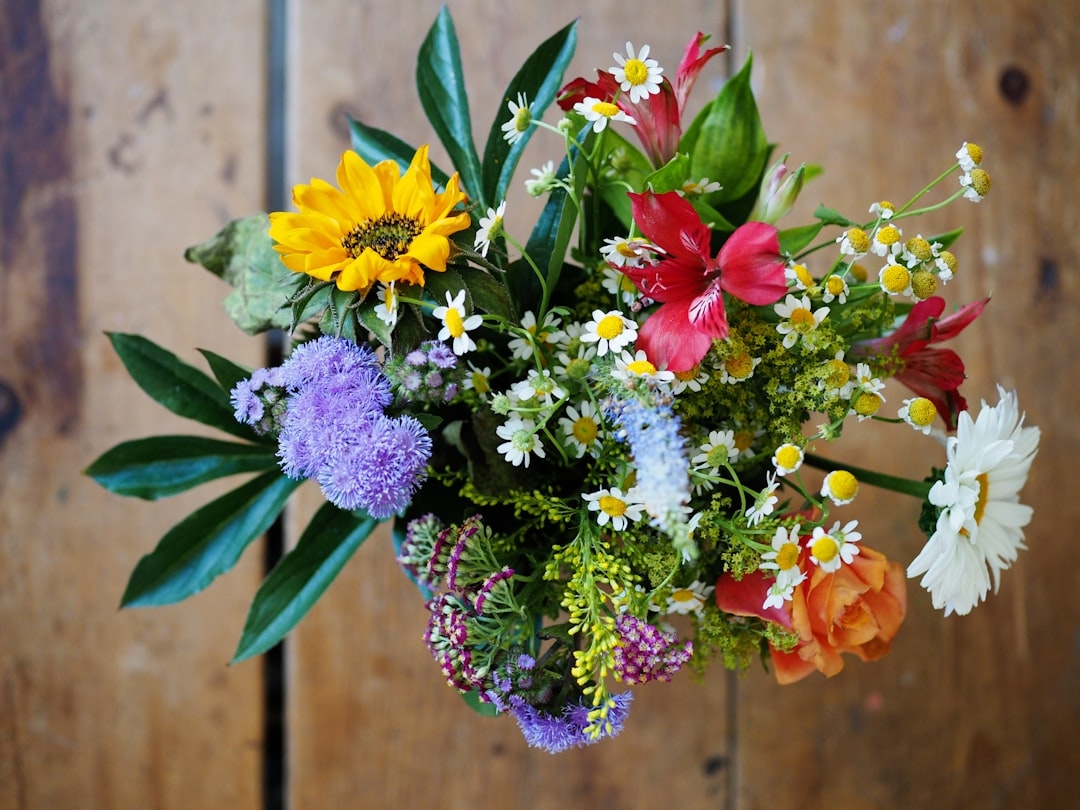
Slow flowers aren’t just “greener”–they’re often more beautiful and diverse. “Customers love that each bouquet is a little different,” says Alex Mendoza, lead designer at Petal & Seed in Austin, TX. “In spring, we might use locally grown ranunculus or larkspur. In fall, it’s dahlias and grasses. No two weeks look the same.”
How to Find and Buy Slow Flowers in the US
More than ever, buying slow flowers is as easy as clicking “order.” Here’s how to find truly local, seasonal blooms:
Local Flower Farms
Use the Slow Flowers Directory or the Association of Specialty Cut Flower Growers to search by zip code. Many farms offer:
- Weekly bouquet subscriptions (think: a CSA for flowers, $25-$50/week)
- DIY buckets for weddings and events
- “Pick-your-own” hours on weekends
Local Florists–Not Just Wire Services
Many independent florists now highlight their use of local, American-grown stems. Look for signs in the shop or online, such as “100% local” or “American Grown Certified.” Ask who grew the flowers–if the answer is “We import from the Netherlands,” that’s not slow flowers.
Farmers Markets
From April to October, farmers markets are the heartbeat of the slow flower movement. In 2026, over 3,400 US markets list fresh cut flowers or bouquets among their offerings (USDA Farmers Market Directory).
Direct-Delivery Services
A new crop of online services caters to the slow flower movement:
- Farmgirl Flowers: Based in San Francisco, sources from US growers when in season.
- Bloom Hill Farm and Floret: Direct shipping from flower farms, especially during peak months.
- Field & Vase by FlowerFarm: Offers American-grown bouquets delivered nationwide.
Tip: Always check seasonal availability. Peonies in December? Not slow flowers.
Slow Flowers in Weddings and Special Occasions
Weddings have become a major growth area for the slow flower philosophy. According to Caitlin Lancaster, certified floral designer at New Leaf Weddings, New York, “More couples want flower installations that reflect their personalities and the true season–like dogwood branches in April or sunflowers in August. It’s also a great story to tell guests.”
How It Works
- Couples meet with a slow flower florist months ahead of time.
- Designers craft bouquets and installations around what will be blooming on the wedding date.
- Prices typically start at $2,000 for a slow-flower-centric event (higher than supermarket weddings, but each stem is traceable and grown with care).
DIY Events
Some farms offer wedding “buckets” for do-it-yourself arrangements–usually 50-75 stems of mixed flowers and greenery for $125-$200.
Challenges and Critiques
Of course, the slow flower movement faces real obstacles.
Limited Year-Round Availability
Outside of California or the Pacific Northwest, local flower seasons can be as short as May to September. Some growers use heated tunnels or greenhouses, but this increases costs and energy use.
Higher Price (for Now)
A slow flower bouquet can cost $40-$70, compared to $25-$40 at the supermarket. But advocates argue the premium reflects true costs: living wages, environmental stewardship, and fresher, more beautiful arrangements.
Education and Awareness
The biggest challenge? Consumer knowledge. A 2023 Harris Poll found 52% of Americans assumed all flowers at florists were US-grown. The slow flower movement is working to change that–petal by petal.
The Future of the Slow Flower Movement in the US
In 2026, slow flowers are no longer just for eco-warriors or design nerds. National retailers like Whole Foods and Trader Joe’s have started labeling US-grown bouquets, and “Local Flower Month” is now a fixture in July promotional calendars.
The movement is also expanding into dried flowers, seed swaps, and flower farming workshops. Dr. Simone Elliott, horticulture professor at Cornell, notes, “We’re seeing a renaissance of heirloom flower varieties. The next generation wants connection to place–and that means local petals, not just local produce.”
FAQs about the Slow Flower Movement
What does “slow flowers” mean?
The slow flower movement encourages the use of locally grown, seasonal flowers–typically cultivated by small US farms using eco-friendly practices. The goal is to reduce environmental impact, support local economies, and provide fresher, more unique bouquets.
Are slow flowers more expensive than regular flowers?
Generally, yes. Slow flowers often cost more ($40-$70 per bouquet) because they reflect true costs of small-scale, sustainable farming and freshness. Many consumers, however, find value in the superior quality and positive environmental impact.
Where can I buy slow flowers in the US?
You can buy slow flowers from local growers via farmers markets, flower-specific CSAs, independent florists who source locally, and through online directories like the Slow Flowers Directory. Some national delivery brands now highlight American-grown options as well.
Can I get slow flowers year-round?
Year-round availability depends on your region. In warmer states like California, locally grown flowers are available most months. In colder areas, the main season runs from spring through early fall. Off-season, you may see dried flower arrangements from local sources.
How do I know my florist uses slow flowers?
Ask your florist directly where their flowers come from, or look for “American Grown” or “Local Flowers” signage and certifications. Many slow flower florists will proudly share their sources on websites and social media.
Want to Support the Slow Flower Movement? Start Here
The next time you need flowers–be it a birthday, anniversary, or to brighten your own table–ask for local. Even choosing one slow flower bouquet this month can help keep small American farms in business. Visit your nearest farmers market, chat with an independent florist, or explore a local grower’s subscription. If the slow flower movement continues to blossom, the US could see a return to fields filled with zinnias, snapdragons, and sweet peas–growing not just flowers, but a new way to appreciate beauty that comes from right next door.