What florists won’t tell you about pricing
6 min read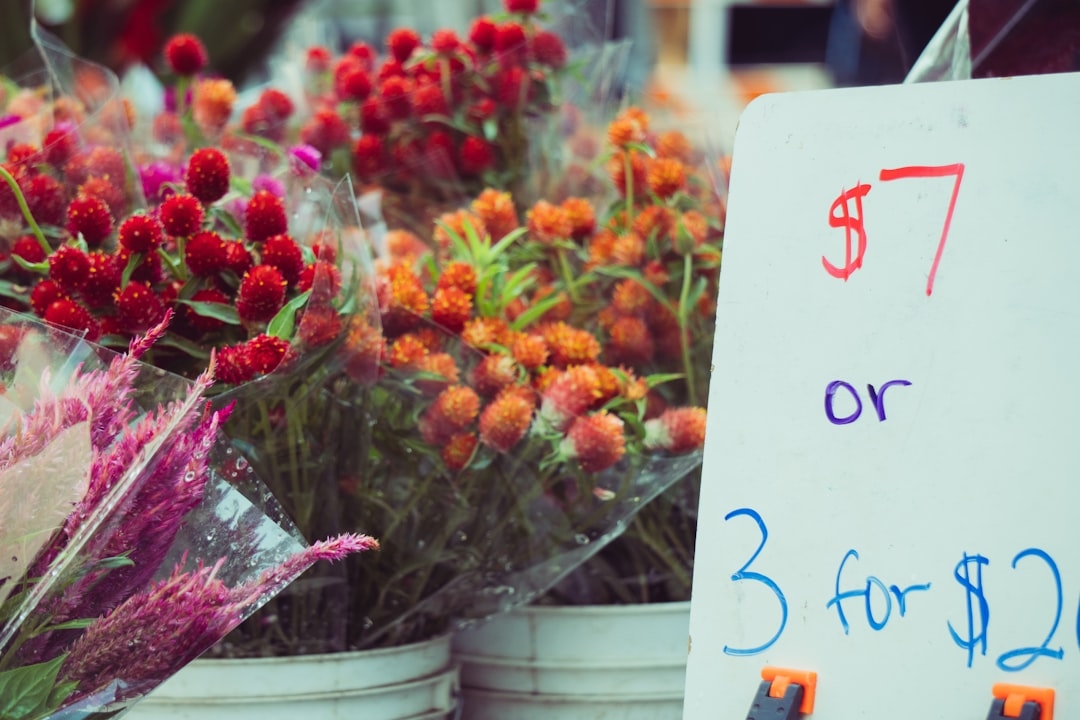
Contents:
- Why Are Flowers from Florists So Expensive? (The Fast Answer)
- What Goes Into the Price Tag: Costs You Don’t See
- Imported Flowers Dominate US Shops
- Labor: More Than Arranging
- Waste–The Unspoken Cost
- Florist Pricing vs. Supermarket Bouquets: A Real Comparison
- The Hidden Markups: Not Just for Profit
- Markup Math
- Local, Seasonal, and Ethical Sourcing Costs More
- Why Delivery Isn’t Free
- Peak Holiday Pricing: Not a Rip-Off
- Tricks for Getting More Bloom for Your Buck
- Ask for Designer’s Choice
- Opt for In-Season Blooms
- Skip the Extras
- Buy Direct from Growers (When Possible)
- How Online Florist Networks Affect Prices
- The Emotional Value Factor (and Why It’s Real)
- FAQ: Flower Pricing Secrets–Quick Answers
- How much do florists mark up flowers?
- Why do flowers from florists cost more than supermarkets?
- When are flowers cheapest to buy?
- Is it cheaper to buy flowers online or in-store?
- How can I save money on custom bouquets?
What Florists Won’t Tell You About Pricing
Picture this: you stroll into a flower shop to pick up a “simple” bouquet for a friend, only to walk out $85 lighter. Wasn’t that just a handful of peonies and some greens? The sticker shock feels real, and it’s not just you. Flowers–especially from local florists–often cost far more than people expect. Yet behind those beautiful arrangements sits a complex, secretive world of markups, logistics, and hidden costs that most florists will never spell out for you.
Why Are Flowers from Florists So Expensive? (The Fast Answer)
Florist bouquet prices are higher than supermarket blooms because of several factors:
- Sourcing premium, often imported flowers with high transportation costs
- Labor-intensive design and conditioning (up to 50% of price is labor)
- Perishability leading to significant waste (25-40% of floral stock is discarded)
- Overhead from rent, utilities, local taxes, and delivery logistics
- Markups averaging 100-300% to cover unsold inventory and business operation
What Goes Into the Price Tag: Costs You Don’t See
Imported Flowers Dominate US Shops
About 80% of cut flowers sold in the US in 2026 arrive from Colombia, Ecuador, and the Netherlands. According to Maureen Kessler, AIFD-certified florist and owner of Sunbeam Florals (Austin, TX), “Even a standard rose spends 72 hours in coolers, planes, and customs before it ever meets a vase. Trans-continental shipping alone can triple wholesale costs.” For example, a simple Ecuadorian rose might cost $0.70 wholesale–but by the time duties, refrigerated trucking, and handling are added, it’s $2.20 per stem to the florist.
Labor: More Than Arranging
Designing a bouquet isn’t just cutting stems and tossing them in a vase. Florist shops must:
- Wash and sterilize buckets, tools, and workspaces to prevent rot
- Recut and hydrate every stem
- Wire, tape, or stake certain blooms for structure
- Create custom arrangements and handle last-minute changes
Labor costs at shops like Scent & Stem in San Francisco average $40 per hour, with skilled designers often taking 30-45 minutes per arrangement. For a hand-tied $85 bouquet, $35-40 goes to labor alone.
Waste–The Unspoken Cost
Flowers are perishable. The Society of American Florists estimates that for every 10 stems purchased wholesale, 4 may never reach a paying customer. Seasonal trends, unpredictable demand (Valentine’s Day, Mother’s Day), and shipping delays lead to spoilage. Florist Barb Nguyen of Petal Lane (Chicago, IL) shares, “During peak weeks, we toss 30% of our inventory. That waste must be covered by markups on what we actually sell.”
<blockquote>
Perishability and unpredictability: “A wedding cancellation or a delayed flower shipment can cost us thousands in a single day.”
– Barb Nguyen, owner of Petal Lane, Chicago
</blockquote>
Florist Pricing vs. Supermarket Bouquets: A Real Comparison
| Feature | Florist Arrangements | Grocery Store Bouquets |
|---|---|---|
| Cost (per bouquet) | $55-$200+ | $12-$35 |
| Flower Quality | Premium, long-stem, fresher | Mass-market, mixed aging |
| Design Skill | Custom, hand-designed | Machine-bunched or generic |
| Selection | Wide, includes rare/seasonal | Limited, mostly basics |
| Conditioning | Professionally prepped | Minimal, variable |
| Delivery | Local, scheduled, customized | None or standard courier |
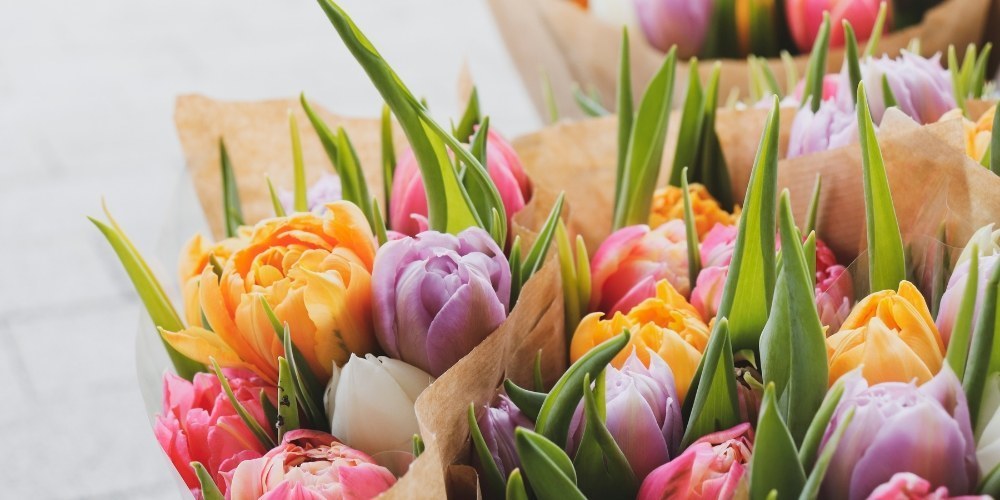
Florists justify their prices with premium blooms (think double tulips, peonies, garden roses), expert design, and personalized service. Supermarkets focus on volume and efficiency, skimping on freshness and variety.
The Hidden Markups: Not Just for Profit
Markup Math
Florists typically apply a 100%-300% markup on blooms–but it’s not greed. Consider this simple formula used by most small US florists:
- Wholesale Price (e.g., $6 for 10 stems)
- Double or Triple Markup = $12-$18 sale price
- Add Labor (40-50% of sale price)
- Add Overhead (rent, utilities, insurance, delivery)
By the time a bouquet lands on your kitchen table, every dollar is already sliced into pieces for growers, importers, local employees, landlords, and Uncle Sam. In a 2025 Small Business Administration survey, independent florists reported average post-tax profit margins of just 8-12%.
Local, Seasonal, and Ethical Sourcing Costs More
Florists offering American-grown or Fair Trade-certified flowers often pay a premium–sometimes 20% above standard imports. “Our California dahlias cost more than imported roses, but customers want local. It’s a balancing act,” says Michelle Treviño, owner of Lakeview Florals (Seattle, WA).
Why Delivery Isn’t Free
Big websites may lure you with “free” delivery, but local florists can’t eat that cost. Gas, insurance, and minimum wage in cities like NYC mean delivery alone can add $18-$35 to a single order. Some shops use in-house drivers; others rely on apps like DoorDash or Roadie, with surcharges.
Peak Holiday Pricing: Not a Rip-Off
Valentine’s Day and Mother’s Day account for nearly 40% of annual flower sales in the US. Wholesalers raise prices by 50-100% during these peaks, and florists must follow suit or risk losing money. For example, a dozen red roses that cost $25 wholesale in January might be $60 by February 10th. The florists pass this along to customers or face razor-thin profits.
Tricks for Getting More Bloom for Your Buck
Ask for Designer’s Choice
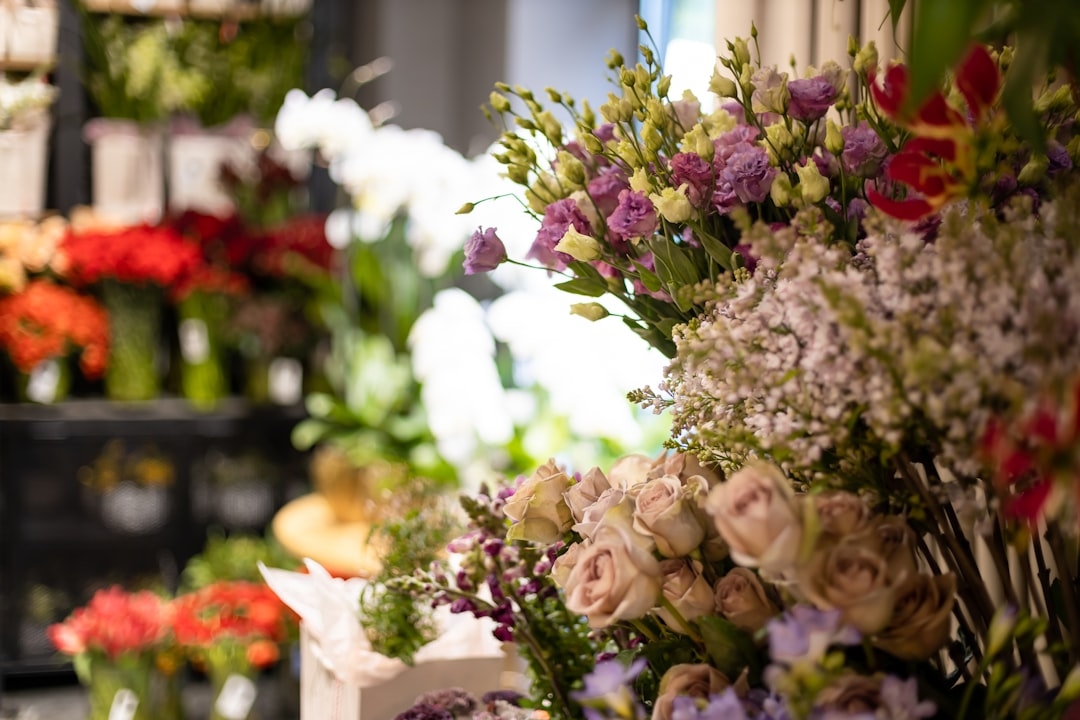
Florists often have surplus of certain stems and can create stunning, budget-friendly arrangements if you trust their expertise. “If you let us freestyle, we can use what’s freshest–usually for less,” says Dana Choi, head designer at Tulip & Vine, Los Angeles.
Opt for In-Season Blooms
Orchids and peonies in December? Expect upcharges. Go for what’s local and plentiful:
- Spring: Tulips, daffodils, ranunculus
- Summer: Sunflowers, zinnias, dahlias
- Fall: Chrysanthemums, marigolds, asters
- Winter: Amaryllis, evergreens, berries
Skip the Extras
Fancy vases, ribbons, and handwritten cards add to your bottom line. Bring your own vase or opt for a simple wrap to save $8-$25 per order.
Buy Direct from Growers (When Possible)
Many US flower farms now sell directly via farmers markets or websites like SlowFlowers.com. Bouquets may be smaller or more rustic, but you’ll often pay 25-40% less than florist prices if you’re willing to DIY at home.
How Online Florist Networks Affect Prices
National delivery brands–think 1-800-Flowers, FTD, ProFlowers–act as middlemen. They take a cut of 20-35% from every online order, leaving local shops scrambling to fulfill for less. This can mean lower design quality and fewer stems in arrangements ordered through big-brand websites versus phoning a florist directly.
The Emotional Value Factor (and Why It’s Real)
It’s easy to balk at a $100 bouquet–until you see the look on someone’s face when they receive it. Florists aren’t just selling stems; they’re selling connection, apology, romance, celebration. According to a 2026 Rutgers University study, receiving flowers improves mood for up to 3 days in 78% of recipients. Is that worth a few extra dollars? For many, yes.
FAQ: Flower Pricing Secrets–Quick Answers
How much do florists mark up flowers?
US florists typically mark up flowers by 100%-300% over wholesale, depending on the season, rarity, and location of their shop.
Why do flowers from florists cost more than supermarkets?
Florists use premium, often imported or locally sourced blooms, invest in skilled labor, absorb more waste, and provide custom design and delivery–all factors that inflate costs compared to mass-market grocery bouquets.
When are flowers cheapest to buy?
Flowers are cheapest when purchased in-season and outside of peak holidays (like Valentine’s or Mother’s Day). Early spring and late summer often offer the best deals.
Is it cheaper to buy flowers online or in-store?
Ordering directly from a local florist (by phone or in-person) usually gets you the best price and highest quality. Online flower networks may charge extra fees and reduce what’s included in each arrangement.
How can I save money on custom bouquets?
Request a “designer’s choice” arrangement, focus on in-season flowers, skip expensive vases, and buy from local growers when possible.
Looking for the best blooms without a budget blowout? Next time, chat with your local florist. Let them know your price range, trust their creativity, and stay flexible on flower types. You might be surprised how much beauty–honestly priced–you walk out with.