The bacteria battle inside your vase
5 min read
Contents:
- Fast Facts: Why Bacteria Wreck Your Vase Flowers
- Why Does Vase Water Turn Cloudy So Fast?
- The Flower’s Defense System–And Its Weakness
- What Actually Kills Vase Flowers the Fastest?
- The Science of Flower Food: Does It Actually Work?
- DIY Alternatives: What About Aspirin, Vodka, and Pennies?
- The Right Way to Clean Your Vase
- Step-by-step:
- How Often Should You Change Vase Water?
- Real Florist Tricks for Longevity
- When to Toss: The Bouquet Triage List
- Pull-Quote
- FAQ: The Bacteria Battle Inside Your Vase
- What is the main cause of cloudy vase water?
- Does refrigerating cut flowers slow bacterial growth?
- Is tap water or distilled water better for vases?
- How much flower food should I use?
- Can I reuse old vase water?
The Bacteria Battle Inside Your Vase
You fill a crystal vase with fresh water, arrange a bouquet of roses, and within a day or two, milky swirls creep up the stems. Petals brown. The water smells faintly swampy. Here’s the plot twist: those flowers aren’t wilting from age–they’re losing the microscopic war happening right inside your vase.
Fast Facts: Why Bacteria Wreck Your Vase Flowers
Bacteria in vase water multiplies fast–some strains double every 20 minutes. Once they clog stems, flowers wilt days sooner. The best way to slow the bacterial battle inside your vase? Change water daily, trim stems, scrub your vase, and add a proven flower food.
Why Does Vase Water Turn Cloudy So Fast?
Chalk it up to a perfect storm. Cut flowers leak sap and carbohydrates, creating an all-you-can-eat buffet for bacteria living everywhere: on your hands, in tap water, inside the stems. According to Dr. Jessica Lowry, a plant pathologist at Ohio State, “Bacterial loads in vase water can jump from a few hundred to over 10 million cells per milliliter within 48 hours.” Yikes.
The Flower’s Defense System–And Its Weakness
When a flower’s stem is cut, it can’t callus over like a tree branch. Instead, the plant tries to wall off the wound with resins or pectins. But bacteria are experts at finding the tiniest gaps, slipping in, and forming a biofilm–a slimy shield that’s nearly impossible for water and nutrients to pass through. Result: limp stems, brown-edged petals, and fallen heads.
What Actually Kills Vase Flowers the Fastest?
Without a doubt, stem blockages from bacteria. While ethylene gas (from fruits or decaying blooms) also causes petal drop, and low humidity can wilt leaves, nothing tanks a bouquet faster than bacteria choking the water flow.
Here’s a quick comparison:
| Culprit | Main Symptom | Speed of Flower Decline | Solution |
|---|---|---|---|
| Bacterial growth | Cloudy water, limp stems | 1-3 days | Clean vase; add preservative |
| Ethylene exposure | Petals drop prematurely | 2-4 days | Remove old blooms/fruit |
| Lack of hydration | Wilting, dry petals | 1-2 days | Change water; trim stems |
| Heat/sun exposure | Crinkled leaves, faded color | 1-2 days | Cool, indirect light |
<blockquote>Bacteria can clog up to 90% of stem vessels in under 48 hours if the water isn’t changed.</blockquote>
The Science of Flower Food: Does It Actually Work?
Store-bought flower food packets–like those from Chrysal or FloraLife–mix bleach (for bacteria), an acid (to lower pH), and sugars (for flower fuel). According to a 2026 Consumer Reports lab test, bouquets treated with Chrysal Universal lasted an average of 4.2 days longer than plain tap-water arrangements.
DIY Alternatives: What About Aspirin, Vodka, and Pennies?
You’ll hear advice all over the internet, but do they work? Here’s what the science (and florists) say:
- Aspirin: Contains salicylic acid, a weak antimicrobial. Marginal benefit, but not flower food grade.
- Vodka: Alcohol is antimicrobial, but you’d need enough to damage flowers.
- Bleach: 1/4 teaspoon per quart water is effective, but easy to overdo and burn petals.
- Pennies: Only pre-1982 US pennies contain enough copper to possibly kill bacteria; post-1982 are mostly zinc.
Most professional florists, like Maya Nguyen, AIFD-certified at Petal & Stem in Austin, TX, say: “Use the real flower food packet. It’s literally tested for this battle.”
The Right Way to Clean Your Vase
That beautiful recycled mason jar might look clean, but bacteria cling to scratches and cracks. Don’t just rinse–scrub with soap and hot water, and rinse well. For glass or ceramic, running through the dishwasher (high-heat cycle) is even better. Bleach solution (1:10 with water) is a power move before adding new flowers.
Step-by-step:
- Discard old water and flower debris.
- Wash with hot soapy water, scrubbing inside.
- Rinse thoroughly.
- If you’re fighting stubborn biofilm, soak with 1:10 bleach solution for 10 minutes.
- Rinse again until no odor remains.
How Often Should You Change Vase Water?
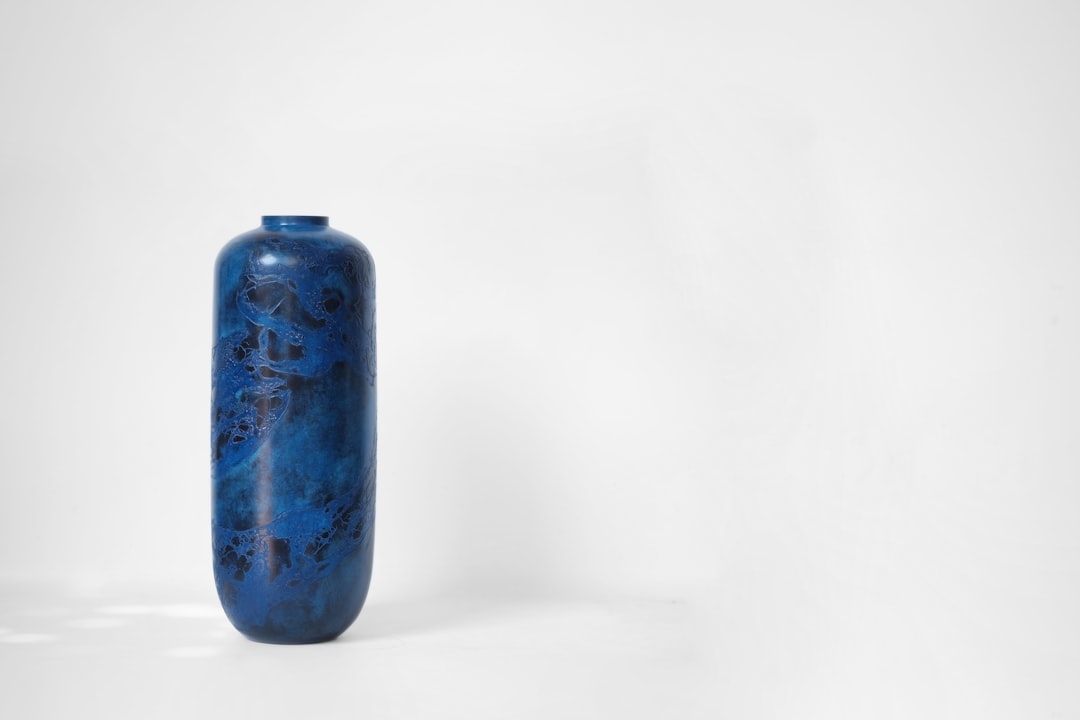
Every day is ideal. Every other day is the absolute minimum for store-bought bouquets, especially in summer or a warm room. According to a 2026 Harris Florist Survey, arrangements in homes with air conditioning (72°F or lower) lasted, on average, 1.5 days longer than those left near sunny windows or heaters.
Real Florist Tricks for Longevity
- Trim stems every 1-2 days: Recut at a sharp angle, under running water, removing at least 1/2 inch. This keeps water uptake channels open.
- Remove foliage below the waterline: Leaves submerged rot faster, turbocharging bacteria.
- Place away from fruit bowls: Ripening apples and bananas release ethylene gas, which signals flowers to drop their petals.
- Keep it cool: Overnight, move the bouquet to a cooler spot, like a mudroom or garage (but not freezing).
When to Toss: The Bouquet Triage List
If these signs appear, it’s time to compost:
- Slime on stems or in water
- Sharp sour or rotten smell
- Drooping heads that don’t perk up after trimming
Pull-Quote
“Bacteria may be invisible, but they’re ruthless bouquet killers. You can win the vase battle with a little know-how and a clean start.”
– Maya Nguyen, AIFD, Petal & Stem, Austin TX
FAQ: The Bacteria Battle Inside Your Vase
What is the main cause of cloudy vase water?
Cloudy vase water is usually caused by bacteria multiplying rapidly and feeding on organic matter from flower stems. This growth produces biofilm and waste, making the water look murky and smell bad.
Does refrigerating cut flowers slow bacterial growth?
Yes, keeping cut flowers in a cooler environment (ideally 34-36°F) overnight can slow both bacterial and fungal growth, extending vase life by up to 2-3 days.
Is tap water or distilled water better for vases?
Distilled water is theoretically best because it has fewer bacteria and minerals, but most US tap water is fine if you add commercial flower food and change it daily.
How much flower food should I use?
Follow packet directions exactly, usually about 1 packet per quart of water. More isn’t better–excess can damage stems or promote unusual growth.
Can I reuse old vase water?
No. Even if it looks clear, old vase water is likely full of bacteria and plant debris, which will shorten the life of any new bouquet.
Flower care is part science, part ritual. Next time you bring blooms home–whether they’re a $15 Trader Joe’s bouquet or $200 same-day delivery from UrbanStems–think of yourself as a guardian in a microscopic battle. Clean that vase, be ruthless about water changes, and your flowers will hold their heads high, days longer. Try it this week, and see your bouquets bloom brighter–and outsmart the invisible enemy within.